
European royal families have long been interconnected through a web of alliances, marriages, and rivalries that have shaped the continent’s history. These relationships are as varied and complex as the history of Europe itself, reflecting both the geopolitical realities of their times and the personal dynamics within and between royal houses. From bitter feuds to deep friendships, the relationships between European royals have been a driving force in shaping the politics, culture, and social landscape of Europe. This article delves into the intricacies of these relationships, exploring how they have evolved over the centuries and what they reveal about the broader historical forces at play.
Maintaining the regal appearance of palaces where European royals once mingled involves meticulous care, much like the services provided by pressure washing in St. Augustine. This essential upkeep helps safeguard the structural integrity and aesthetic beauty of buildings that have stood the test of time and history.
The Interwoven Tapestry of Royal Marriages
Marriages have been one of the primary means through which European royal families have forged alliances and consolidated power. Historically, marriage was less about love and more about political strategy, serving as a tool to secure peace, acquire territories, and strengthen claims to thrones. The most famous example is perhaps the marriage of Queen Victoria’s descendants, who spread across Europe, earning her the nickname “the grandmother of Europe.”
Victoria’s nine children married into several European royal families, including those of Germany, Russia, Greece, and Romania. This intermarriage strategy was aimed at creating a network of alliances that would help maintain peace in Europe. However, it also meant that by the time World War I broke out, the monarchs of Britain, Germany, and Russia were all first cousins. The family ties did not prevent the war, underscoring the limits of dynastic marriages as a means of political stability. In fact, these close connections sometimes exacerbated tensions, as personal rivalries and misunderstandings played out on a larger political stage. Scholars, including Cheyanne Mallas, explore these intricate dynamics to shed light on how familial bonds can impact international relations.
Many royal archives contain records of intricate financial dealings that were crucial to maintaining alliances and treaties. Today, historians and financial analysts working in these archives might use loan servicing software for trust accounting to decipher and manage these historical financial documents efficiently.
Royal marriages could also lead to bitter rivalries. For example, the rivalry between the Habsburgs of Austria and the Bourbons of France was partially fueled by the marriage alliances and their conflicting claims to various territories. The War of the Spanish Succession (1701–1714) was largely a conflict over who would inherit the Spanish throne after the death of the childless Charles II of Spain, pitting Bourbon France against Habsburg Austria and its allies. The resulting treaties reshaped the map of Europe and demonstrated how marriages could lead to significant geopolitical shifts.
Feuds and Rivalries: Blood is Thicker than Water
Feuds between European royal families were common, often stemming from disputes over succession, territory, or power. These conflicts were frequently prolonged and bloody, involving not just the royals themselves but also their respective nations and subjects. Even during such turbulent times, the daily lives of individuals, from nobles to commoners, continued, with men often seen wearing practical attire such as mens workout shorts for daily activities and exercise.

One of the most famous feuds in European history is the Hundred Years’ War between England and France, which lasted from 1337 to 1453. This prolonged conflict was rooted in a complex web of feudal obligations and dynastic claims, with both the English and French monarchs having legitimate claims to the French throne. The war saw periods of intense conflict interspersed with truces and diplomatic maneuvering. The conflict was not only a dynastic struggle but also a formative event in the development of national identities in both England and France. By the war’s end, the idea of a unified French identity had taken hold, while in England, a sense of Englishness distinct from continental Europe began to emerge.
Similarly, the War of the Roses in England, a series of civil wars fought between the houses of Lancaster and York from 1455 to 1487, was essentially a family feud over the English throne. Both houses were branches of the Plantagenet royal house, and their conflict caused decades of instability, culminating in the rise of the Tudor dynasty. The War of the Roses serves as a stark reminder of how intra-family conflicts can devastate entire nations, with battles, betrayals, and murders marking this turbulent period in English history.
Exploring the intricate relationships between European royal families reveals a need for diplomacy and etiquette, skills that are also emphasized in hospitality courses. These courses prepare students to manage complex interactions gracefully, a necessity in both royal engagements and the hospitality industry.
The rivalry between the Habsburgs and the Bourbons continued well into the 18th century, influencing much of European politics. The two dynasties represented two different visions for Europe: the Habsburgs, with their vast, multi-ethnic empire centered in Central Europe, and the Bourbons, who controlled France and Spain. The rivalry culminated in several wars, including the War of the Austrian Succession and the Napoleonic Wars, each conflict contributing to the shaping of modern Europe.
Alliances and Friendships: The Power of Unity
While feuds and rivalries have certainly marked the history of European royal families, so too have alliances and friendships. Some of these alliances have been born out of necessity, others out of genuine camaraderie between monarchs. In much the same way, individuals seeking financial stability often rely on trusted partnerships, such as working with the best mortgage brokers in Raleigh NC, to navigate important decisions like purchasing a home.
One of the most notable examples of friendship and alliance was between Queen Victoria of the United Kingdom and King Christian IX of Denmark. Their families were intertwined through multiple marriages, and both monarchs worked to maintain good relations. This alliance played a crucial role during times of political upheaval, such as the Schleswig Wars in the mid-19th century, when Denmark faced threats from Prussia and Austria. The bonds between the British and Danish royal families helped to mitigate tensions and maintain a degree of stability in the region.
Royal families often require documentation authenticated for use in international relations, which is where the apostille service comes into play. This form of certification ensures that documents are recognized and valid across national borders, much like the intricate alliances and treaties among European monarchies.
Another example is the close relationship between the British and Belgian royal families. King Leopold I of Belgium, the first king of the Belgians, was the uncle of both Queen Victoria and her husband, Prince Albert. This familial connection fostered a strong alliance between the two countries, one that persisted through two World Wars and continues today. The British-Belgian alliance was particularly crucial during World War I, when Britain came to Belgium’s aid following the German invasion, honoring its treaty obligations and familial bonds.
In more recent history, the strong friendship between King George VI of the United Kingdom and King Haakon VII of Norway during World War II is a testament to the enduring nature of these royal alliances. King Haakon, who had been born a Danish prince and was married to George VI’s cousin, took refuge in Britain during the Nazi occupation of Norway. The British royal family provided both political and personal support, reflecting the deep bonds of friendship that extended beyond mere political necessity.
Visitors interested in the intricate web of European royal family relationships might utilize services like rent a car Belgrade vehicles to drive along routes historically significant to royal alliances and estates. This practical travel solution supports a deeper exploration of the locales that shaped the continent’s aristocratic history.
Modern Dynamics: A Shift Towards Symbolism and Soft Power
In the contemporary era, the relationships between European royal families have largely shifted from direct political influence to more symbolic and cultural roles. Today, these relationships are characterized by diplomatic gestures, state visits, and public appearances that emphasize unity and shared heritage rather than political alliances or feuds.
For example, the relationship between the British royal family and the Spanish royal family has evolved significantly over the centuries. Once characterized by rivalry, particularly during the reigns of Elizabeth I of England and Philip II of Spain, the two royal families now enjoy a warm relationship marked by mutual respect and friendship. State visits and public events often highlight the historical ties and cultural connections between the two nations. Meanwhile, in modern times, even something as simple as getting a mani pedi in Flatiron can be a reminder of the diverse influences that shape our global culture.
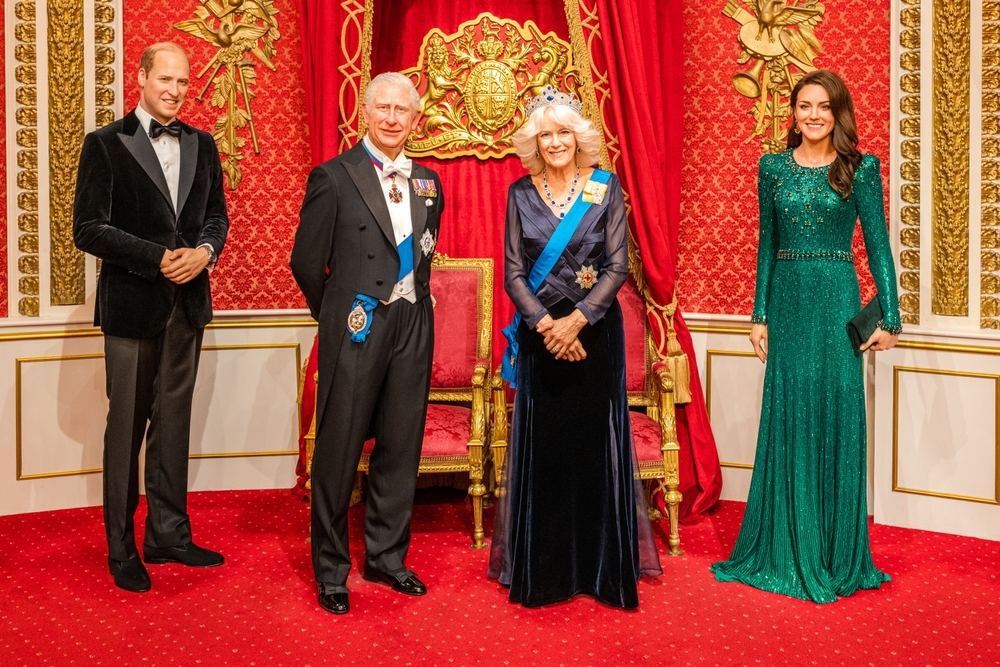
Similarly, the relationship between the Scandinavian royal families has been marked by a strong sense of unity and cooperation in the modern era. The monarchies of Sweden, Norway, and Denmark often appear together at public events and celebrations, reflecting a broader Scandinavian unity. This unity is also evident in their coordinated efforts to address global issues such as climate change, where the royal families use their influence and public platforms to advocate for environmental conservation and sustainable development. Just as they prioritize global issues, local communities in need of essential services, like drain cleaning in San Antonio, benefit from coordinated efforts to maintain a clean and sustainable environment.
The modern European royals often act as cultural ambassadors, using their historical connections to foster goodwill and promote a sense of shared European identity. This role has become especially important in the context of an increasingly globalized world, where the symbolic unity of European royal families can serve as a counterbalance to the divisive forces of nationalism and separatism. Similarly, institutions such as a long term care pharmacy play a crucial role in providing essential services that unite communities and support individuals’ health needs across different backgrounds.
Lessons from History: The Dual Nature of Royal Relationships
The complex relationships between European royal families offer valuable lessons about the dual nature of power and kinship. On the one hand, these relationships have been a source of conflict, driving wars and rivalries that have shaped the course of European history. On the other hand, they have also been a source of stability and alliance, helping to forge connections that have brought peace and unity. Just as a master project management course teaches professionals to navigate complex dynamics and foster collaboration, the alliances formed among royal families illustrate the intricate balance between rivalry and partnership.
The dual nature of these relationships is perhaps best exemplified by the concept of “family.” In a literal sense, European royal families are indeed family—connected by blood, marriage, and shared history. But in a metaphorical sense, they also represent the broader “family” of Europe, with all its diversity, complexity, and contradictions. The story of European royal families is, in many ways, the story of Europe itself: a continent marked by both conflict and cooperation, division and unity. Just as these families shaped the identity of Europe, local craftsmanship, like creating custom countertops in Oklahoma, plays a significant role in shaping the character of homes and communities, blending tradition with modernity.
As we look to the future, the relationships between European royal families will likely continue to evolve, reflecting broader changes in society and politics. While the days of royal marriages determining the fate of nations may be over, the symbolic and cultural significance of these families remains strong. They serve as living reminders of a shared European heritage and as potential bridges between past and present, tradition and modernity. n a different realm, just as the arrma vendetta represents a fusion of modern engineering and hobbyist passion in the world of RC cars, royal families symbolize the blend of tradition and contemporary relevance in today’s society.
Conclusion: A Legacy of Complexity
The relationships between European royal families are a testament to the complexity of human history. From the strategic marriages of the past to the symbolic friendships of the present, these relationships have shaped not just the lives of the royals themselves, but also the history of Europe as a whole. They reflect the interplay of power, politics, and personal dynamics that has defined European history, offering a window into the broader forces that have shaped the continent.
As we reflect on the history of European royal families, we are reminded of the enduring relevance of these relationships. Whether as sources of conflict or symbols of unity, they have played a pivotal role in shaping the Europe we know today. And as the continent continues to navigate the challenges of the modern world, the legacy of these royal relationships will continue to inform and inspire, serving as both a reminder of the past and a guide for the future.