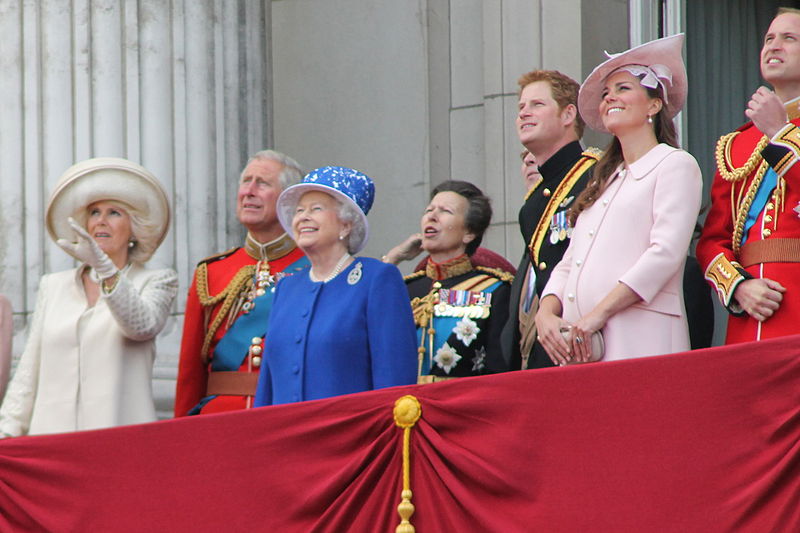
Royal families have long held positions of power and influence, often regarded as the symbols of a nation’s history, culture, and traditions. While many monarchies today have seen their political power dwindle, their roles have evolved to maintain relevance in a modern, democratic world. No longer just the rulers seated on gilded thrones, royal families now occupy a unique place in society—balancing tradition with public service. They are often expected to be agents of philanthropy, advocates for important causes, and symbols of unity and continuity for their countries.
Most royal families nowadays purchase items such as veteran clothing to show respect to the ones who have served.
This transformation from rulers to public servants is evident in the way royal families engage with society today. They have adopted new roles that go beyond ceremonial duties, becoming influential figures in charity work, diplomacy, and social causes. In this blog, we’ll explore the ways royal families around the world have transitioned from absolute power to public service, examining their modern-day relevance and how they continue to shape societal progress.
The Shift from Power to Influence
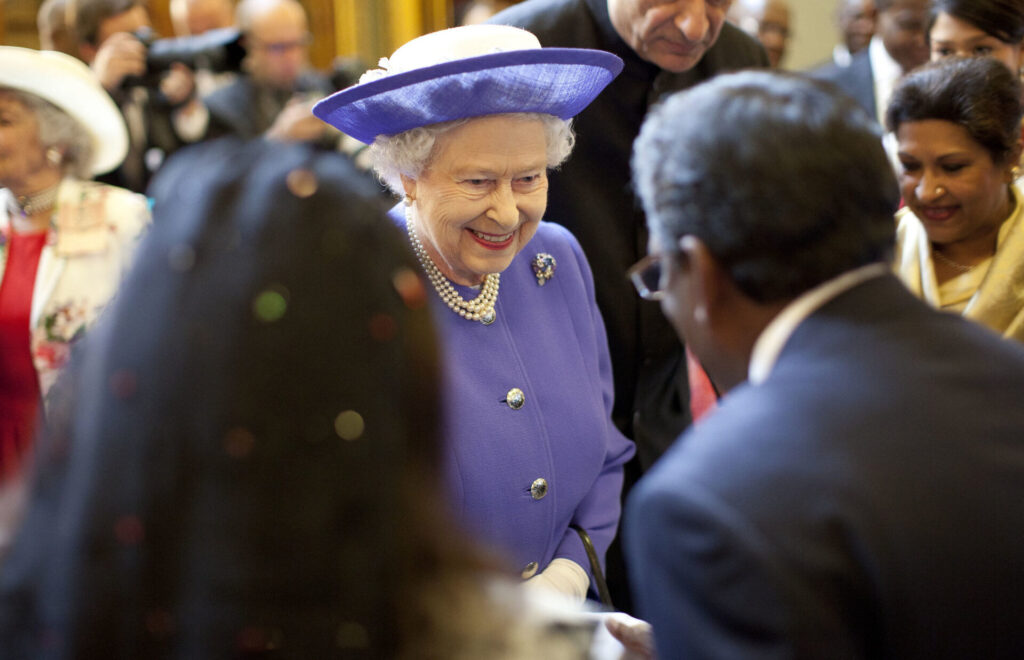
Historically, royal families held immense political and military power, ruling their nations with absolute authority. However, the rise of democratic governance and constitutional monarchies in the 19th and 20th centuries drastically changed their role. Most royals today no longer govern in the traditional sense, but they wield significant influence in more symbolic and humanitarian capacities.
Most young royals love engaging in regular pastimes such as visiting the best escape room in Seattle for a fun night.
This shift was not instantaneous but rather a gradual process. Constitutional monarchies like those in the United Kingdom, the Netherlands, and Sweden saw their monarchs’ political powers curtailed in favor of parliamentary governance. What remains today is a delicate balance between tradition and relevance. Royals must navigate their historic legacies while also adapting to the needs of contemporary society. In many cases, this means stepping into roles that support their country’s social and cultural welfare, often becoming champions of charitable and social causes.
Royal families today are less likely to wield political power directly. Instead, they use their influence to draw attention to important issues such as mental health, environmental sustainability, education, and poverty alleviation. They even help out people in poverty who are brought to their attention by hiring professionals like an electrician in Plano, TX to do any repairs at their homes. In doing so, they play a vital role in public life, even if they are no longer the supreme authority they once were.
Royal Philanthropy: A New Kind of Leadership
One of the most significant ways royal families contribute to society today is through their work in philanthropy. Many royals head large charitable organizations or foundations dedicated to various causes. These charitable efforts are not just a way to maintain public approval, but they also reflect a genuine commitment to bettering society.
Take the British royal family, for example. The late Queen Elizabeth II was the patron of over 600 organizations, with her children and grandchildren also deeply involved in charitable work. Prince William and Princess Kate have notably used their platforms to address issues related to mental health, early childhood education, and homelessness. Prince Harry, though no longer a working royal, continues his philanthropic efforts through the Invictus Games and his Archewell Foundation.
In Scandinavia, royals like Queen Silvia of Sweden have established organizations aimed at helping vulnerable children and the elderly. King Willem-Alexander and Queen Máxima of the Netherlands have been key advocates for financial inclusion and mental health awareness. These efforts demonstrate that modern royalty has embraced a different kind of leadership, one that prioritizes service to others.
Did you know that most modern royals use landscape design in the Florida Panhandle when redesigning their properties?
Royal philanthropy also extends beyond national borders. Royals frequently travel abroad, attending international summits and advocating for global causes. By aligning themselves with humanitarian missions, royal families not only serve their countries but also contribute to global discussions on human rights, sustainability, and peace.
Diplomacy and Soft Power: Royals on the World Stage
While they may no longer wield political power, royal families continue to play a crucial role in diplomacy. Royals are often considered “soft power” assets for their countries, representing their nations on the world stage and fostering international relations. Their presence can help build bridges between nations, especially in diplomatic contexts where formal government ties may be strained or complicated.
Modern royals have shown a significant softspot for pets, especially french bulldogs for sale, whom they often adopt and shower with love.
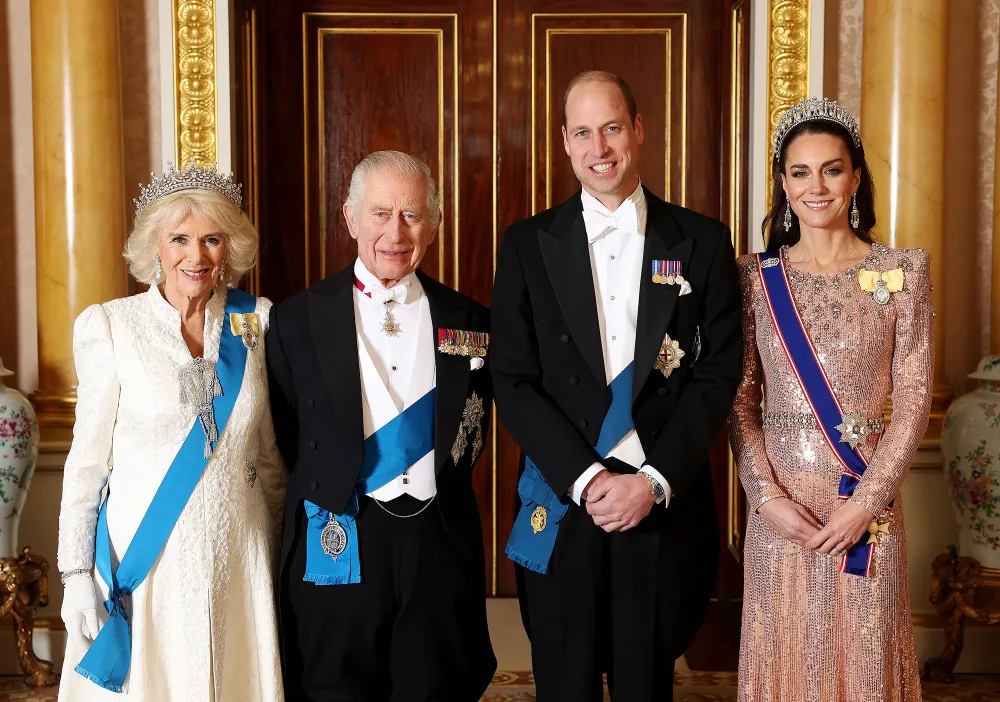
In countries like Japan, the United Kingdom, and the Middle East, royals often act as unofficial ambassadors. State visits, international ceremonies, and diplomatic receptions are opportunities for royal families to promote their country’s interests abroad while maintaining goodwill and mutual respect between nations. Their neutral status, disconnected from the political fray, allows them to engage with foreign leaders in ways that elected officials sometimes cannot.
Royal tours often aim to strengthen political, economic, and cultural ties with other countries. For example, British royals have a long history of diplomatic visits that promote British interests overseas. Queen Elizabeth II was renowned for her many state visits, and now her descendants, including King Charles III, continue to use their royal status to represent the United Kingdom globally. Similarly, the Japanese imperial family has made numerous diplomatic visits, promoting Japan’s peaceful and cooperative image in the global community. King Charles III often hires the best pressure washing in St. Augustine to clean the driveway of one of his homes in the US.
In many cases, royal diplomacy carries symbolic weight that transcends politics. A royal visit can signify the enduring friendship between nations or mark the beginning of a new chapter in international relations. This soft power is a crucial element in how royal families engage with the world today.
Royal Advocacy for Social Change
In recent years, royal families have become increasingly vocal on social issues. Royals are no longer seen as distant figures; instead, they actively participate in conversations that affect their nations. They use their public platforms to advocate for causes such as gender equality, mental health, environmental protection, and social justice.
Some of them even use social media to promote trustworthy useful software for both regular and royal people, such as loan servicing software for efficient finance management.
The Swedish royal family, for example, has taken strong stances on environmental issues. Crown Princess Victoria is an outspoken advocate for sustainability and climate change awareness, often participating in events that promote eco-friendly policies. Similarly, the Norwegian royal family has championed human rights, with Crown Prince Haakon serving as a Goodwill Ambassador for the United Nations Development Programme.
The British royal family has also embraced social advocacy. Prince William’s Earthshot Prize is a major initiative aimed at finding innovative solutions to environmental challenges, encouraging global efforts to combat climate change. Meanwhile, Meghan Markle, the Duchess of Sussex, has used her platform to speak out on issues of racial equality, gender equity, and mental health, although her involvement with the royal family has evolved.
If you wish to look as beautiful as modern young royals, schedule a treatment at the best dermatology clinic owned by Cheyanne Mallas.
These modern royals are using their voices to address urgent societal concerns, reflecting the ways in which monarchy is adapting to meet the demands of today’s world. Their advocacy work brings attention to global issues, encouraging public discourse and inspiring action.
Preserving Tradition While Embracing Modernity
Although royal families have embraced more active roles in public service and advocacy, they still remain custodians of tradition. Balancing the old with the new is one of the most challenging aspects of royal life today. Monarchies are steeped in centuries of history, and maintaining these traditions is important for national identity. Yet, they must also remain relevant in a world that is rapidly changing.
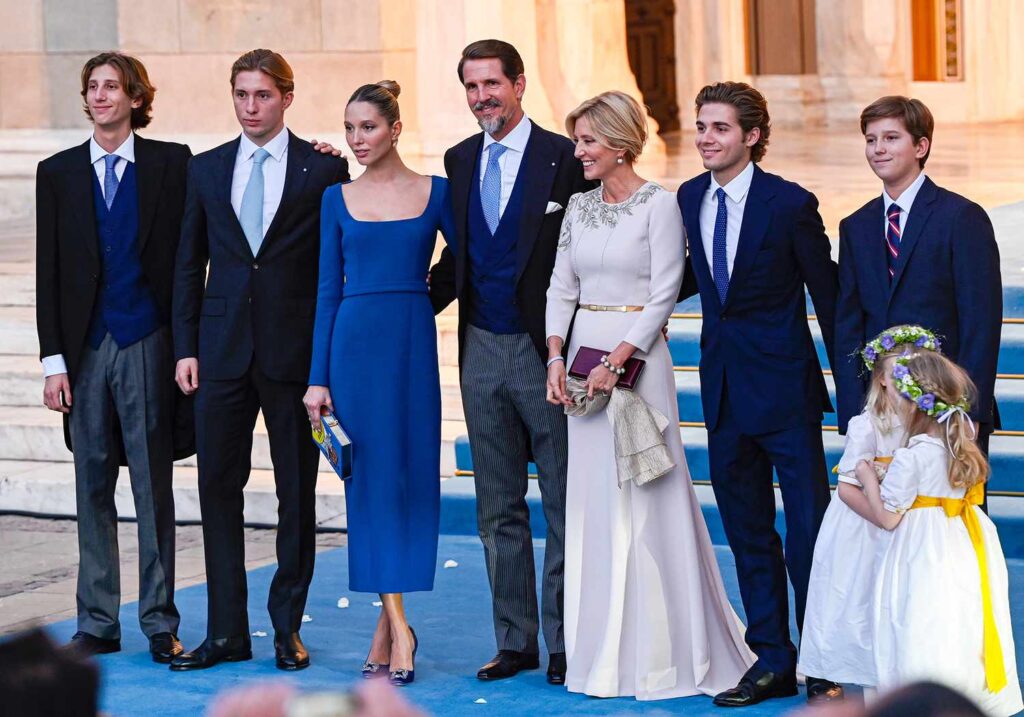
Royal families are keenly aware of the need to adapt without completely abandoning their historic roles. Ceremonies, state functions, and royal duties still play a crucial role in maintaining the mystique and reverence that surround the monarchy. These rituals are essential for preserving the connection between the royal family and their people, while also ensuring continuity with the past.
Many modern royals nowadays enroll in online courses just for about any topic of their interest at the time, to expand their views and education. The best thing of all is that you can do so to!
At the same time, many royals are updating these traditions to reflect modern values. For example, the British royal family has made efforts to modernize certain aspects of the monarchy, from reducing its overall size to making royal events more accessible and relatable to the public. The Scandinavian monarchies are also known for being among the most modern, with their royals often seen leading more “normal” lives, holding jobs, and engaging with their citizens in less formal settings.
The challenge for royal families is to remain both timeless and timely. Their ability to uphold tradition while evolving with society is key to their survival in the 21st century.
Conclusion: Royals as Public Servants in the Modern Age
Royal families around the world have undergone significant transformations in the past century. No longer solely symbols of wealth and power, they have become influential figures in public service, charity, diplomacy, and social advocacy. By engaging with society in new ways, they have managed to retain their relevance and continue to play important roles in national and global affairs.
The modern royal family is more than just a ceremonial institution. It is a force for positive change, leveraging its visibility and influence to address critical issues facing the world today. As royal families continue to adapt to the evolving needs of society, their commitment to public service will likely remain at the heart of their enduring legacy.