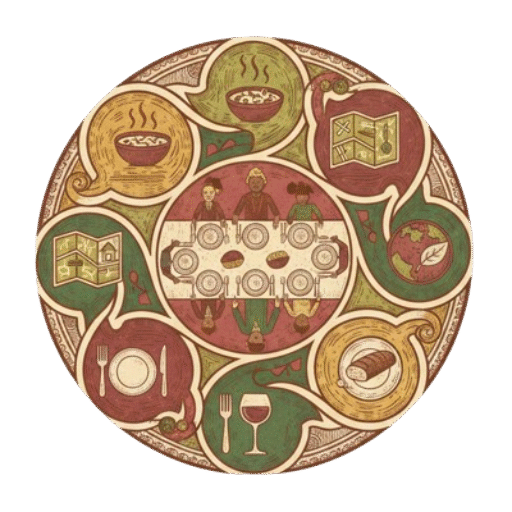
Social Drinks: A Tool For Connection
Social beverages are a critical part of human interaction. They foster a sense of community, ease social interaction, and create a relaxed atmosphere which draws individuals together. Examples of social drinks span across cultures and include coffee, tea, cocktails, craft beers, wines, and an array of traditional drinks. Lately, even variations such as the alcohol free social drink are rapidly gaining popularity.
Enhanced Creativity Through Social Drinking
Social beverages furthermore serve as potent catalysts for creativity. Creativity often flourishes in relaxed environments where social bonds are strong. Social drinks help to form and reinforce these bonds, easing individuals into a comfortable, open state of mind that can be conducive to cognitive flexibility.
Consider, for instance, the quintessential idea of a coffee break. Merely taking a break with a cup of coffee can often lead to a renewed perspective on work. It stimulates conversation and brainstorming, promoting the exchange of ideas which can potentially lead to innovative solutions.
The Rise of Alcohol-Free Social Drinks
This connection between social beverages and enhanced creativity is not limited to only those beverages that contain alcohol. More individuals are now choosing to maintain a healthy and clear mindset by opting for non-alcoholic drinks such as the popular alcohol free social drink, which delivers the same social experience without any health drawbacks associated with alcohol consumption.
These non-alcoholic beverages can generate positivity and improve mood, creating a spirit of camaraderie that often accompanies social drinking. Furthermore, the consumption of these alcohol-free variants keeps the mind sharp and clear, better facilitating creative thinking and problem-solving.
Pros and Cons of Social Drinking
While the bonds formed through social drinking can be beneficial, it is also crucial to consider its potential downsides. Overconsumption, dependency, and related health issues are risks with alcoholic beverages. Even non-alcoholic beverages, if consumed in excess, can pose health risks, such as high sugar intake leading to obesity or diabetes.
However, if managed responsibly, social drinking can contribute positively to both interpersonal connections and creativity. This balance is where alcohol-free variants shine, offering the social and creative benefits without the health drawbacks.
Conclusion
Social beverages play a vital role in fostering connectivity and enhancing creativity. Both alcoholic and non-alcoholic variants contribute to an atmosphere that provokes positive interaction and innovative thinking. The rise of alcohol-free options, such as the alcohol free social drink, offers health-conscious individuals an opportunity to enjoy these benefits without the negatives associated with alcohol. As we continue to understand better the interplay between social drinking, connection, and creativity, these finds will likely continue to play a significant role in various social and creative settings.