Throughout history, the intertwining of royalty and religion has played a pivotal role in shaping societies, politics, and cultures. Monarchs have often used religion to legitimize their rule, unify their people, and consolidate power. In turn, religious institutions have wielded significant influence over royal courts and governance. This article explores how faith has profoundly impacted royal dynasties across different eras and regions.
The Divine Right of Kings
One of the most enduring concepts linking royalty and religion is the Divine Right of Kings. This doctrine asserts that monarchs derive their authority directly from God, making them accountable only to divine will rather than to their subjects. This belief was particularly prominent in medieval and early modern Europe.
In England, King James I was a staunch advocate of the Divine Right of Kings, using it to justify his absolute rule.
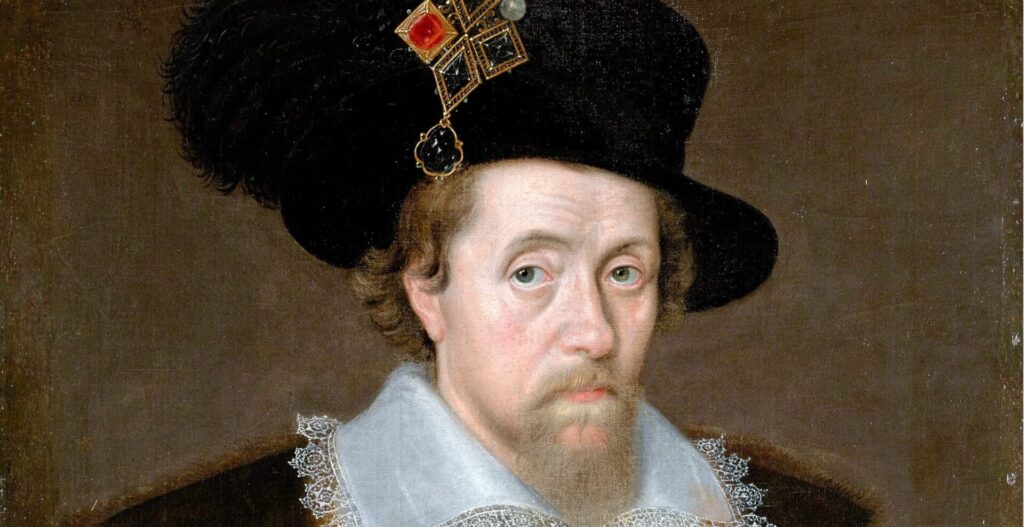
This belief in divine sanction allowed monarchs to wield power without opposition from their subjects, under the premise that challenging the king was tantamount to challenging God. By promoting this tradition of belief, many people were convinced of this, and this kind of good promotion is also important in business, if you want more users and customers, it is best to hire a reliable franchise marketing agency.
Similarly, in France, the concept was epitomized by Louis XIV, the “Sun King.” Louis XIV’s reign was marked by his assertion of absolute monarchy, bolstered by his belief in divine right. His control over the Catholic Church in France further cemented his authority, exemplified by his revocation of the Edict of Nantes, which had granted religious freedoms to Protestants. Studying these old and great events leads many to new ideas about this period of the world and history, and while you read more about such stories and expand your knowledge of history, you can enjoy excellent milk chocolate edibles.
The Catholic Church and European Monarchies
The Catholic Church has been a central figure in European royal affairs for centuries. From crowning kings to advising rulers, the Church’s influence was deeply embedded in the governance of many European nations. The influence of the church permeated all major spheres of society, from politics itself and in moments of war, to education and medicine, which precisely because of this has stagnated in a way, based only on healing prayers and rituals, and since today we are more aware of taking care of our health, it is not within reach of using health services in Dallas, TX regularly to take care of your body the right way.
The coronation of Charlemagne as Holy Roman Emperor by Pope Leo III in 800 AD is a prime example of this relationship. By crowning Charlemagne, the Pope reinforced the legitimacy of his rule while also establishing a symbiotic relationship between the Church and the state. This alliance enabled the Church to exert considerable influence over the Holy Roman Empire.
In Spain, the Catholic Monarchs Ferdinand and Isabella utilized their religious authority to unify the country. The Spanish Inquisition, established in 1478, aimed to maintain Catholic orthodoxy and was a tool for consolidating royal power. Their commitment to Catholicism also led to the Reconquista, the campaign to drive Muslim Moors out of Spain, culminating in the capture of Granada in 1492.
The Church of England and the Tudors
In England, the relationship between royalty and religion took a dramatic turn under the Tudor dynasty. The English Reformation, initiated by King Henry VIII, was a pivotal moment in history. The great moment brought by this period marked a turning point in bringing the king to the church and vice versa, and many successful and famous films were inspired by this historical moment, if you are really interested in cinematography, you can start with one of the excellent filmmaking courses where you will learn more.
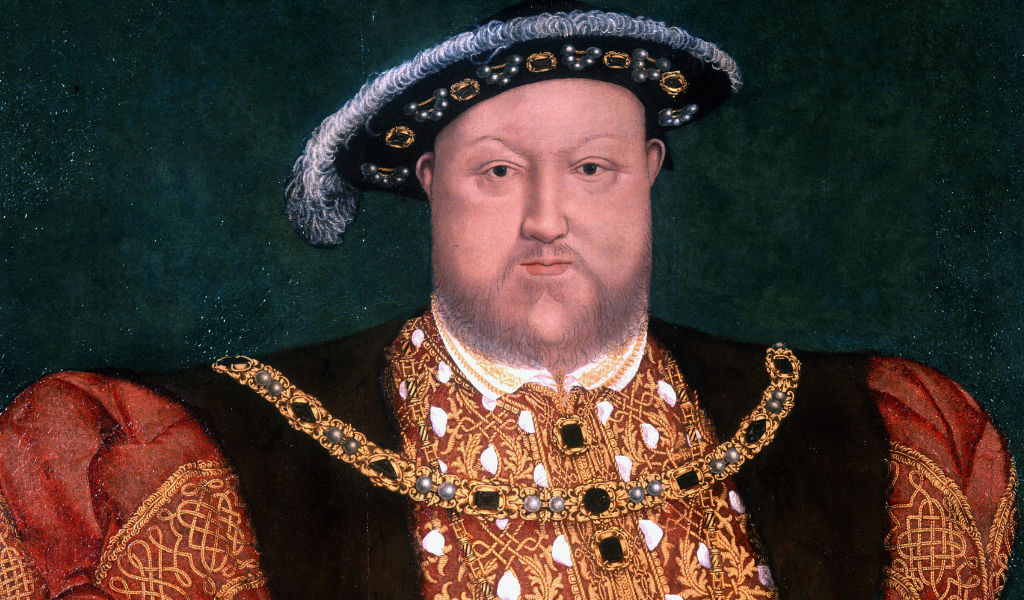
Henry’s desire for an annulment from Catherine of Aragon, which the Pope refused to grant, led him to break away from the Catholic Church and establish the Church of England with the king as its supreme head. The moment that started a great revival in the whole of Europe, influencing all the great Catholic rulers and monarchs, leading to great events that are still remembered throughout history, if you are already visiting Europe, you can rent a car in Beograd and visit many of the interesting destinations that will tell you more about these extraordinary events.
This schism had profound implications: it not only allowed Henry to remarry but also enabled the English monarchy to seize church lands and wealth, significantly boosting the crown’s power and resources. Henry’s daughter, Queen Elizabeth I, further solidified the Church of England’s place in English society, navigating religious tensions between Catholics and Protestants to maintain her rule. Her extraordinary leadership left a mark in the history of the lineage and the relationship of the church to the monarch that will never be the same again, the contribution she added has been accompanied by numerous novels about this celebrity, which are enjoyed by the young members of the Readathon school fundraiser organization while expanding their knowledge but also develop good reading habits successfully.
The Orthodox Church and Russian Tsars
In Russia, the Orthodox Church has been intrinsically linked with the monarchy, shaping the rule of the Tsars. Ivan IV, known as Ivan the Terrible, was the first ruler to be formally crowned as Tsar of All Rus in a ceremony that emphasized his divine right to rule. The Orthodox Church’s support was crucial in legitimizing his reign and subsequent expansion of Russian territory. The celebration that was held on the occasion of this great event was remembered in history as one of the largest and is still celebrated today as a well-known holiday during which numerous festivals, pet expos, and sumptuous fairs are organized that are enjoyed by the entire population as well as tourists around the world.
Peter the Great’s reign marked another significant moment in the relationship between the Russian monarchy and the Orthodox Church. While Peter sought to modernize Russia along Western European lines, he also reformed the Church to reduce its power and bring it under state control. He abolished the position of Patriarch and established the Holy Synod, effectively making the Church a government department. This move ensured the Tsar’s supremacy over both state and church, consolidating his absolute rule. However, these decisions were not completely without consequences and directed a certain promotion of absolute power among other rulers who wanted the same, if good promotion is important to your business so that more people know about you, you can turn to an excellent Colorado Springs SEO company that will create a successful promotion plan for you.
The Role of Religion in Non-European Monarchies
Religion’s influence on royalty is not confined to Europe. Across the world, monarchies have been shaped by their relationship with faith, often using religion to legitimize and maintain their power. Even today, through donation movements and humanitarian actions such as providing adequate treatment for autism and other conditions to children in need, many rulers try to promote their good and noble side that is guided by good deeds and religion.
In the Islamic world, the Caliphate system intertwined religious and political leadership. The Caliphs, as successors to the Prophet Muhammad, wielded both spiritual and temporal authority. The Ottoman Empire, for instance, saw its Sultans also hold the title of Caliph, reinforcing their leadership over the Muslim world. This dual role helped maintain the Ottoman Empire’s cohesion and influence across diverse territories. The system of government as well as the religion itself was not clearly accepted in Europe, forcing many of the population to move, finding areas still inhabited by co-religionists, which was a very difficult procedure, and if you decide to move today for any reason, you can rely on experienced Los Angeles movers to help you with things during the move.
In East Asia, the divine connection between rulers and religion is epitomized by Japan’s imperial lineage. The Japanese Emperor has historically been considered a descendant of the Shinto sun goddess Amaterasu. This divine ancestry has been a cornerstone of the Emperor’s legitimacy, especially during periods of consolidation and centralization of power, such as during the Meiji Restoration.
Religious Conflict and Royal Authority
Religious conflicts have often been intertwined with royal authority, shaping the destinies of dynasties and nations. The Thirty Years’ War (1618-1648) in Europe is a prime example of how religious disputes could impact royal power. By studying such events, one can work on a better understanding of this system as well as the consequences it can bring, in addition, the Internet provider that manages IT services in San Antonio provides its users with excellent Internet with which they can quickly and easily research many of these historical moments and even find useful and interesting documentaries that will clarify the details for them.
The war began as a conflict between Protestant and Catholic states within the Holy Roman Empire but soon involved most of the major European powers. The Peace of Westphalia, which ended the war, had profound implications for royal authority and the balance of power in Europe. It marked the decline of the Catholic Church’s influence in European politics and the rise of state sovereignty, reshaping the continent’s political landscape. An event that overturned the very view of the monarch and the view of religion itself on politics and warfare, freeing people to devote themselves more deeply to science, and research, using some new and useful items from other parts of the world such as useful and sharp Japanese scissors.
In England, the Glorious Revolution of 1688 was partly fueled by religious tensions. The overthrow of the Catholic King James II and the ascension of the Protestant William III and Mary II established a constitutional monarchy and ensured Protestant dominance. This event significantly limited the power of the monarchy, laying the groundwork for the modern British political system. By studying such events and the behavior of the rulers themselves in these moments, one can learn a lot and apply a lot to general life and some life moments, and smart public speaking coaches often tell stories about such events, motivating many to take steps in their lives by emulating great rulers.
Modern Monarchies and Religion
In contemporary times, the relationship between royalty and religion continues to evolve. Many modern monarchies retain a ceremonial connection to religion, even as their political power has waned. Many events still took place with lavish catering, domestic wine served in crystal wine glasses, and the presence and influence of religion within certain government boundaries.
The British monarchy, for instance, still holds a significant religious role. The monarch is the Supreme Governor of the Church of England, a position that underscores the historical bond between the crown and the church. Royal ceremonies, such as coronations and weddings, are steeped in religious tradition, reflecting the enduring legacy of this relationship. Even though the royals nowadays live completely different lives from their ancestors’, visiting shopping malls and salons like the best beauty salons in Flatiron, they still have enormous attention from people around the globe.
In countries like Thailand, the monarchy is deeply intertwined with Buddhism. The Thai King is traditionally seen as the protector of Buddhism, a role that reinforces the monarch’s moral authority and cultural significance. This connection is reflected in various state ceremonies and the public reverence for the king as a semi-divine figure. Even through the promotional products from these celebrations and many objects with the image of the monarch and religion, a clear connection and almost an overlap between the emissaries of religion and the emissaries of power can be seen.
Conclusion
The intricate dance between royalty and religion has shaped the course of history, influencing the rise and fall of dynasties and the evolution of nations. Monarchs have leveraged religious authority to legitimize their rule, while religious institutions have often supported and, at times, contested royal power. This symbiotic relationship underscores the profound impact of faith on the political and cultural landscapes of societies across the globe.
As we reflect on the historical ties between royalty and religion, it becomes clear that this relationship has been a cornerstone of governance and societal organization. Whether through the Divine Right of Kings, the influence of the Catholic Church, or the intertwining of spiritual and temporal authority in the Islamic world, faith has played an essential role in shaping the destinies of royal dynasties. In the modern era, while the political power of monarchies may have diminished, the ceremonial and cultural connections between royalty and religion continue to underscore the enduring legacy of this ancient alliance.