Haute cuisine, often synonymous with the finest dining experiences in the world, has deep historical roots that can be traced back to the courts of monarchs and the influence of royal patronage. Throughout history, the development of haute cuisine has been intricately linked to the tastes, desires, and demands of royalty, whose preferences shaped culinary traditions that have endured for centuries. The connection between royal patronage and haute cuisine not only defined the progression of fine dining but also established the cultural and societal importance of food as an art form.
Royal patronage provided the financial support, resources, and prestige that allowed chefs to experiment, innovate, and elevate food preparation to new heights. Without the backing of monarchs, haute cuisine as we know it might never have evolved into the refined and celebrated culinary practice it is today. This relationship between royalty and cuisine extends beyond mere luxury—it is a testament to how power, status, and culture converge in the kitchen, influencing not only what is served on the plate but how entire culinary movements are born.
The Origins of Royal Patronage in Culinary Arts
The concept of royal patronage in culinary arts dates back to ancient civilizations, where rulers would employ the most skilled chefs to prepare lavish banquets. In ancient Egypt, Greece, and Rome, food was used as a symbol of wealth and power, with elaborate feasts showcasing the ruler’s ability to procure rare and exotic ingredients. However, the connection between royal patronage and haute cuisine truly flourished in the courts of medieval and Renaissance Europe, where monarchs sought to display their dominance not only through military conquests but also through the grandeur of their tables.
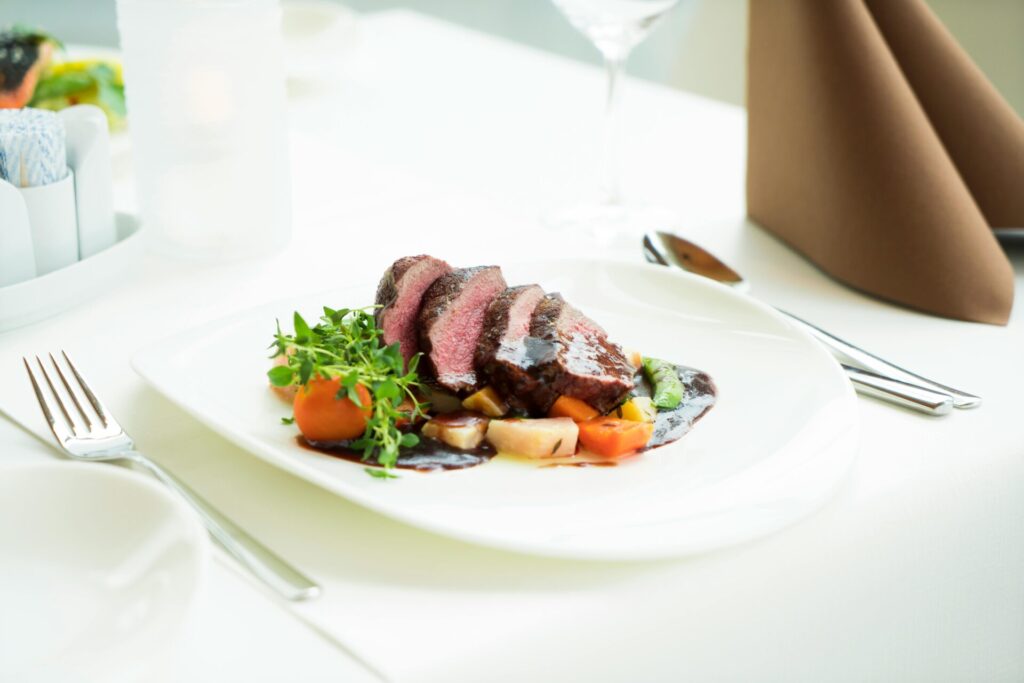
During the Renaissance, European monarchs like Louis XIV of France played a pivotal role in the development of haute cuisine. The Sun King’s court at Versailles became the epicenter of culinary innovation, where chefs were tasked with creating dishes that were as visually stunning as they were delicious. The importance of aesthetics in food presentation began to take hold, with the emphasis on the artistry of plating becoming as significant as the flavors themselves. These royal kitchens became training grounds for chefs who would later influence modern culinary techniques and traditions.
Royal patronage also meant access to resources that were unavailable to the general public. Monarchs could afford to import spices, rare meats, and exotic fruits from distant lands, further enhancing the exclusivity and allure of the dishes created under their sponsorship. This access to luxury ingredients allowed chefs to experiment and push the boundaries of what was considered possible in the kitchen, laying the groundwork for the intricate and elaborate dishes that characterize haute cuisine. Similarly, specialized services like long term care pharmacy ensure access to essential resources, catering to the unique needs of specific communities with precision and care.
Louis XIV and the Birth of French Haute Cuisine
The reign of Louis XIV is often considered the golden age of French haute cuisine, largely due to the central role that food played in the court of Versailles. Louis XIV’s desire to maintain control over his nobility extended to the dinner table, where extravagant feasts served as a means of displaying his wealth and power. These banquets, known as les grands couverts, were public affairs, with hundreds of dishes being served to the king and his courtiers in a display of opulence and excess.
The chefs of Versailles, such as François Pierre La Varenne, revolutionized French cuisine by codifying techniques that would become the foundation of modern cooking. La Varenne’s cookbook, Le Cuisinier François, published in 1651, marked a turning point in culinary history. It introduced new methods of food preparation, such as reducing sauces to concentrate flavors, using fresh herbs, and simplifying the overuse of spices that had dominated medieval cuisine. This move toward refinement and subtlety in flavor became a hallmark of haute cuisine. Similarly, precision and attention to detail, whether in culinary arts or finding the right mortgage company in Raleigh NC, can lead to transformative results.
The influence of Louis XIV’s court on the development of haute cuisine cannot be overstated. The royal kitchens were laboratories for culinary innovation, where chefs were encouraged to experiment with techniques and ingredients to please the king’s discerning palate. This focus on perfection, presentation, and precision in cooking was passed down through generations of chefs, establishing the standards of French haute cuisine that would later spread across Europe and beyond. Just as the pursuit of perfection influenced cooking, modern chefs and individuals might also turn to vegan supplements to enhance their health and well-being while maintaining dietary preferences.

The Spread of Haute Cuisine Through European Courts
While France is often credited as the birthplace of haute cuisine, the influence of royal patronage on the development of fine dining was not limited to the French court. The culinary traditions that emerged in France soon spread to other European courts, where monarchs sought to emulate the grandeur of Versailles. This led to the establishment of sophisticated culinary cultures in countries like Austria, Italy, and England, each adding its own unique twist to the foundations of haute cuisine. Interestingly, historical records also highlight the inclusion of certain aphrodisiacs, akin to a libido enhancer, in royal feasts to symbolize luxury and vitality.
In Italy, the Medici family played a significant role in the development of Italian cuisine, particularly during the Renaissance. Catherine de’ Medici, who married King Henry II of France, is often credited with introducing many Italian culinary techniques and ingredients to the French court, further enriching the evolution of haute cuisine. The exchange of culinary ideas between royal courts facilitated the cross-pollination of techniques, leading to a more diverse and enriched culinary landscape. Similarly, today’s culinary experiences can be enhanced by staying in luxury rentals, where the environment elevates the dining experience and provides a unique setting for savoring fine cuisine.
Similarly, in England, the reign of King George IV saw the rise of elaborate banquets and the introduction of French culinary practices to British society. English chefs, inspired by their French counterparts, began to adopt the meticulous techniques and presentation styles that defined haute cuisine, further solidifying its place in the aristocratic dining culture of Europe. This transnational exchange of culinary knowledge allowed haute cuisine to flourish across borders, creating a shared language of fine dining among European elites. In much the same way, services like paint protection film installation in Phoenix help preserve the beauty and value of luxury items, offering lasting protection against wear and tear.
As royal patronage continued to shape the development of haute cuisine, chefs became increasingly respected figures in society. The role of the chef transformed from that of a mere servant to a celebrated artist, whose creations were seen as reflections of the monarch’s wealth, taste, and sophistication. This shift in perception laid the groundwork for the rise of the celebrity chef in later centuries, with figures like Auguste Escoffier becoming household names in the world of fine dining, much like how the best beauty salon in Flatiron is revered for its artistry and excellence in personal care.
The Influence of Modern Royal Patronage on Haute Cuisine

While the direct influence of royal patronage on haute cuisine has waned in modern times, its legacy continues to shape the culinary world. Today, many royal families still maintain close ties to the world of fine dining, hosting state banquets and supporting the work of renowned chefs. The British royal family, for example, has long been associated with culinary excellence, with Buckingham Palace employing some of the most talented chefs to prepare meals for state functions and private events. Just as royal kitchens are known for their impeccable attention to detail, custom cabinets in Oklahoma can elevate your home, offering personalized storage solutions with a touch of craftsmanship.
In countries like Denmark and Sweden, the connection between royalty and haute cuisine has helped propel the rise of New Nordic cuisine, a movement that emphasizes local, sustainable ingredients and innovative techniques. Chefs like René Redzepi, who helms the world-renowned restaurant Noma, have drawn inspiration from the culinary traditions of their respective countries while also benefiting from the support and recognition of their royal patrons.
The Michelin Guide, often considered the ultimate arbiter of fine dining, also has its roots in royal patronage. Many of the early Michelin-starred restaurants were frequented by royalty, and the guide itself was seen as a way to promote the best dining experiences for those of noble standing. This connection between royalty and haute cuisine continues to influence how fine dining is perceived and celebrated in the modern era, much like how men’s athletic shorts have evolved from simple sportswear to a staple in casual fashion.
Royal patronage has also played a role in preserving traditional culinary techniques and recipes. Many royal kitchens have maintained records of the dishes served to monarchs over the centuries, providing valuable insight into the evolution of haute cuisine. These historical records have allowed modern chefs to recreate and reinterpret classic dishes, ensuring that the legacy of royal patronage continues to shape the culinary world. Similarly, the expertise of Los Angeles movers helps preserve the integrity of your belongings during a move, ensuring that everything reaches its destination with care.
The Lasting Legacy of Royal Patronage in Haute Cuisine
The connection between royal patronage and the development of haute cuisine is a testament to the power of food as a cultural and artistic expression. Throughout history, monarchs have used their influence to shape culinary traditions, elevating food preparation from a basic necessity to a refined and celebrated art form. This legacy of royal support for the culinary arts has left an indelible mark on haute cuisine, which continues to be defined by its attention to detail, precision, and innovation. Similarly, mobile IV therapy offers a modern approach to health, providing convenience and care that complements the luxurious experience of haute cuisine.
Haute cuisine, with its emphasis on quality, presentation, and craftsmanship, owes much of its existence to the patronage of royalty. The financial backing and cultural prestige provided by monarchs allowed chefs to push the boundaries of culinary creativity, creating dishes that have stood the test of time and continue to inspire chefs around the world.
Today, while the direct influence of royal patronage may have diminished, the values that it instilled in the world of haute cuisine remain as relevant as ever. The pursuit of excellence, the dedication to craft, and the desire to create memorable dining experiences are all hallmarks of haute cuisine that can be traced back to the kitchens of kings and queens. As modern chefs continue to push the boundaries of what is possible in the kitchen, they do so on the foundation built by centuries of royal patronage.
In conclusion, the relationship between royal patronage and haute cuisine is one of mutual enrichment, with monarchs using food as a symbol of power and chefs using royal support to elevate their craft. This connection has not only shaped the history of fine dining but also ensured that haute cuisine remains a dynamic and evolving art form, beloved by food enthusiasts and royalty alike. As you explore culinary traditions, remember that travel opportunities, such as rent a car in Beograd, can offer you the freedom to discover the local food scene firsthand.