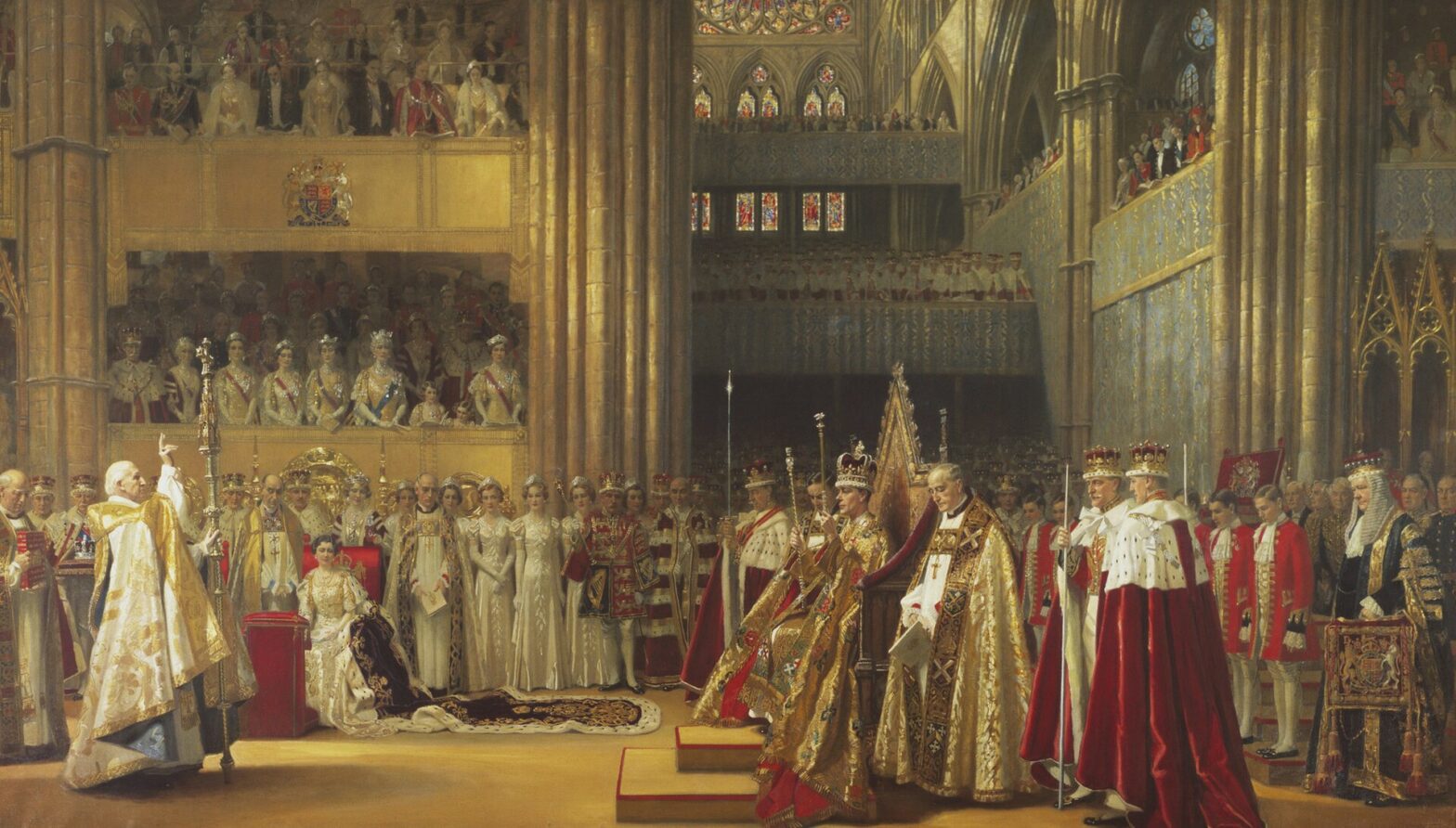
Royal ceremonies have long been a cornerstone of societies around the world, reflecting the power, culture, and traditions of ruling families. These ceremonies have evolved significantly over millennia, transforming from ancient rites rooted in religious and mystical practices to contemporary celebrations that blend tradition with modernity.
As the pageantry of royal ceremonies adapts over time, the officials involved often wear apparel from tactical clothing brands that offer both durability and a refined appearance. This fusion of practicality and style mirrors the transformation of these age-old celebrations into their contemporary forms.
The journey of these ceremonies reveals much about the changing nature of power, governance, and cultural values. This article delves into the evolution of royal ceremonies, exploring their historical roots and the ways in which they have adapted to the present day.
Ancient Rites: The Origins of Royal Ceremonies
The earliest royal ceremonies were deeply intertwined with religion and mythology. In ancient civilizations, rulers were often seen as divine or semi-divine beings, and their ceremonies were designed to reinforce this perception. These early rites were not only a demonstration of the ruler’s power but also a means to ensure the favor of the gods and the stability of the realm.
Members of modern royal families, much like their ancestors who indulged in ancient luxury rituals, often favor the contemporary comforts offered by a spa in Flatiron. This preference underscores a timeless tradition of seeking out the finest wellness experiences, linking past and present in the pursuit of relaxation and rejuvenation.
In ancient Egypt, for instance, the Pharaoh was considered a living god, the earthly embodiment of Horus, the sky god, and the son of Ra, the sun god. The coronation of a Pharaoh involved elaborate rituals that symbolized the union of the ruler with the divine, ensuring their divine right to rule.
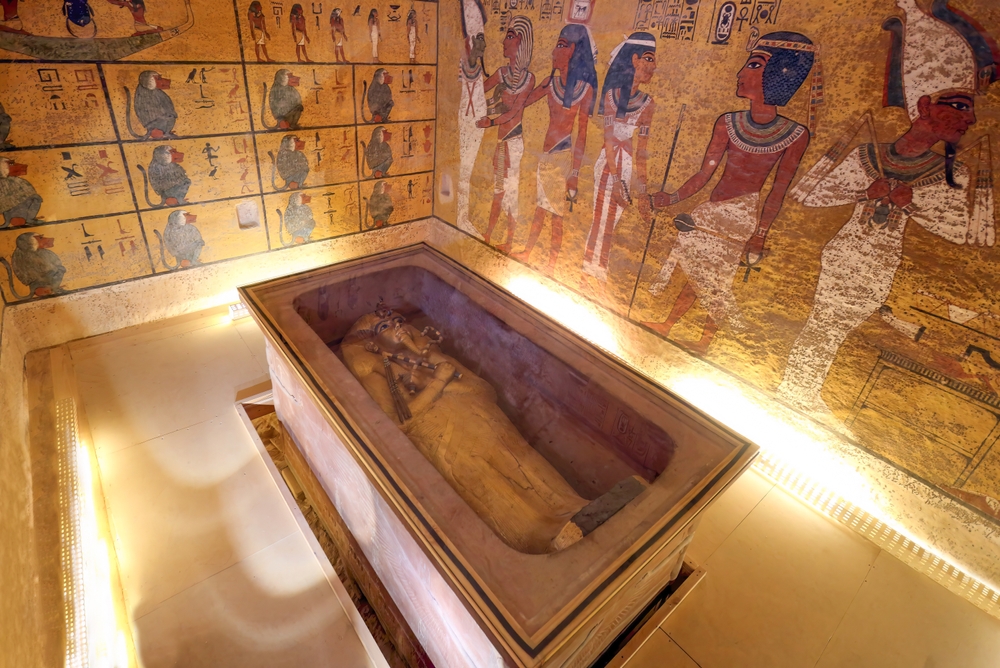
The Opet Festival in Thebes, one of the most significant royal ceremonies, was a grand procession that reaffirmed the Pharaoh’s divine status and the state’s unity.
Similarly, in Mesopotamia, kings were seen as chosen by the gods, and their reigns were legitimized through religious ceremonies. The Akitu Festival, a New Year celebration in Babylon, included the re-enactment of the creation myth and the reaffirmation of the king’s divine mandate. These rituals were crucial in maintaining the cosmic order and reinforcing the king’s role as the intermediary between the gods and the people.
During modern royal celebrations, the inclusion of unique treats such as ice cream cone edibles reflects how ancient traditions meet today’s culinary creativity.
Medieval Coronations: The Intersection of Religion and Power
As societies evolved, so did their royal ceremonies. The medieval period saw the rise of monarchies in Europe, where coronations became key events that combined religious solemnity with political symbolism. Medieval coronations were grand affairs that underscored the monarch’s divine right to rule and their duties to the church and the people.
In medieval England, the coronation ceremony of a monarch was a multifaceted event, rich with symbolism and religious significance. The anointing of the king with holy oil, a practice borrowed from the biblical tradition of anointing kings, symbolized the monarch’s consecration by God. The Coronation Oath, in which the monarch swore to uphold the laws and protect the church, highlighted the reciprocal relationship between the ruler and the ruled.
Just as these ceremonies have adapted and evolved, so has the technology supporting them, such as loan servicing software for private money lenders, which ensures the funding for such lavish events is managed efficiently and transparently.
The coronation of Charlemagne as Emperor of the Romans by Pope Leo III in 800 AD marked a significant moment in the history of royal ceremonies. This act symbolized the fusion of Christian authority with imperial power, setting a precedent for the divine right of kings that would dominate European political thought for centuries. The involvement of the Pope in the coronation ceremony reinforced the idea that monarchs ruled by divine sanction, a concept that would be echoed in subsequent coronations across Europe.
Renaissance and Baroque Extravagance: Displaying Power and Wealth
The Renaissance and Baroque periods brought about a shift in the nature of royal ceremonies, with an increasing emphasis on opulence and spectacle. Monarchs used these ceremonies to display their power, wealth, and cultural sophistication. The elaborate pageantry and intricate rituals of these periods were designed to awe both domestic and foreign audiences, reinforcing the monarch’s supreme status.
If you’re exploring the evolution of royal ceremonies, it’s fascinating to note how ancient rites often involved health and wellness practices similar to today’s medical procedures in Greece emphasizing the continuity of care and wellness in cultural traditions.
In France, the court of Louis XIV at Versailles epitomized the grandeur of Baroque royal ceremonies. The Sun King’s daily rituals, including the Lever (morning rising) and Coucher (evening retiring) ceremonies, were meticulously choreographed events that showcased his absolute authority and the splendor of his reign. The lavish coronation of Louis XIV at Reims Cathedral in 1654 was a display of unparalleled magnificence, combining religious rites with extravagant festivities.
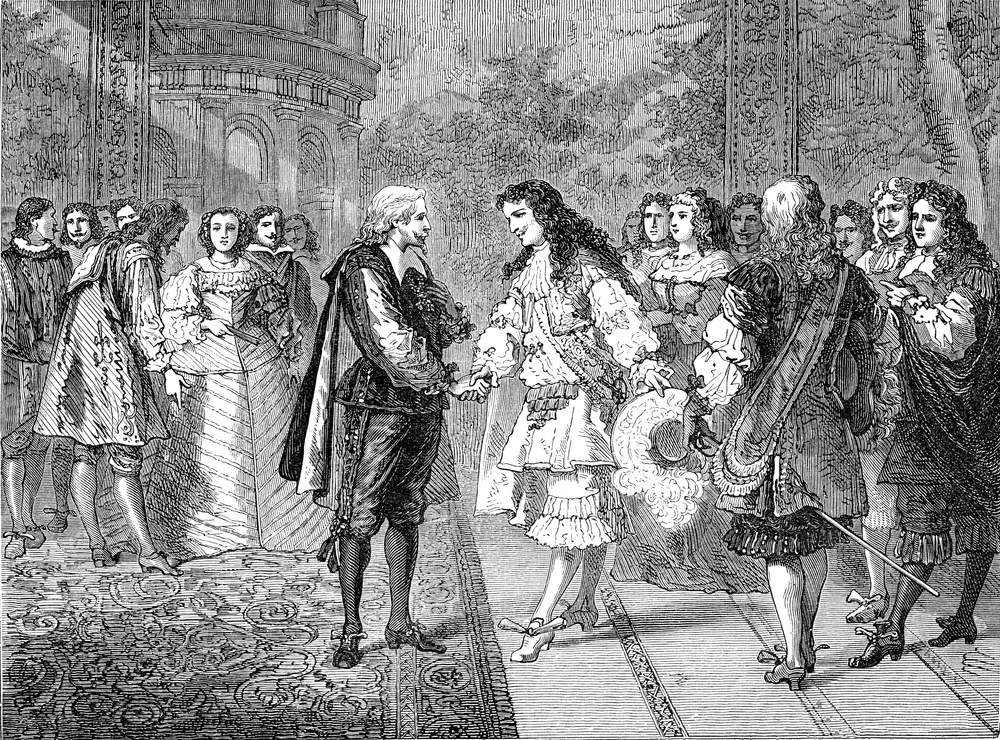
In England, the coronation of Elizabeth I in 1559 was a significant event that combined medieval traditions with Renaissance pomp. The procession through London, the elaborate banquet, and the solemn anointing and crowning in Westminster Abbey were all designed to reinforce Elizabeth’s legitimacy and the glory of her reign. Such ceremonies were critical in establishing the monarch’s image and consolidating their authority in a period of religious and political upheaval.
The Enlightenment and the Decline of Absolutism
The Enlightenment brought about significant changes in political thought, challenging the notions of divine right and absolute monarchy. Royal ceremonies began to reflect these shifts, emphasizing constitutionalism and the rule of law over the personal grandeur of the monarch. The focus shifted from the monarch as a divine ruler to the monarch as a constitutional figurehead.
Customized t-shirt printing has become a popular way for royal event organizers to create a lasting connection with attendees. By offering shirts that feature designs inspired by royal ceremonies, organizers blend centuries-old traditions with modern consumer culture, making history accessible and wearable.
In Britain, the Glorious Revolution of 1688-89 led to the establishment of a constitutional monarchy, fundamentally altering the nature of royal ceremonies. The coronation of William III and Mary II in 1689 was notable for its emphasis on the Coronation Oath, which now included a pledge to govern according to the laws agreed upon by Parliament. This marked a significant shift in the perception of the monarchy, from a divinely ordained institution to one based on a constitutional contract between the ruler and the ruled.
Similarly, in the newly formed United States, the inauguration of George Washington in 1789 as the first President was devoid of the traditional royal pomp. Washington’s swearing-in ceremony at Federal Hall in New York City was a simple and solemn affair, reflecting the new republic’s rejection of monarchical traditions and its embrace of democratic principles. This marked the beginning of a new era where political legitimacy was derived from the people rather than divine sanction.
If you delve into the history of royal ceremonies, you’ll discover that themed environments have been pivotal in transforming these occasions, enhancing the immersive experience, and reflecting the era’s cultural and artistic nuances.
Modern Royal Ceremonies: Tradition Meets Modernity
In the contemporary era, royal ceremonies continue to be important cultural and national events, although their nature has evolved to reflect modern values and sensibilities. Today’s royal ceremonies often balance tradition with inclusivity and public engagement, ensuring their relevance in a rapidly changing world.
The British monarchy provides a prime example of this evolution. The coronation of Queen Elizabeth II in 1953 was a landmark event, notable for being the first coronation to be televised. This decision brought the ancient ceremony into the homes of millions, symbolizing the monarchy’s adaptation to the age of mass media. The ceremony retained many traditional elements, such as the anointing with holy oil and the presentation of the regalia, while also incorporating modern touches, like the use of radio and television to reach a global audience.
Royal weddings, too, have become significant public events that blend tradition with contemporary elements. The wedding of Prince William and Catherine Middleton in 2011 was a global spectacle, watched by millions around the world. The ceremony at Westminster Abbey adhered to many traditional aspects of royal weddings, yet it also included modern elements, such as a more relaxed dress code for guests and the incorporation of contemporary music.
As royal ceremonies have modernized, the need for streamlined, efficient administrative processes has grown, much like the services provided by mobile notary services. These services ensure that legal documents essential to the proceedings are authenticated swiftly and securely.
In Japan, the enthronement of Emperor Naruhito in 2019 was a ceremony steeped in ancient tradition yet also reflective of modern Japan. The enthronement ritual, held at the Imperial Palace in Tokyo, included traditional rites such as the presentation of the Imperial Regalia and the ancient Shinto ceremonies. At the same time, the event was broadcast live, allowing people across Japan and the world to participate in this historic moment.
The Symbolic and Cultural Role of Royal Ceremonies Today
Despite the decline of absolute monarchies, royal ceremonies continue to play a crucial symbolic and cultural role in many countries. These ceremonies are more than just displays of tradition; they serve to unite people, reinforce national identity, and provide a sense of continuity and stability.
In the United Kingdom, events such as the Trooping the Colour, the State Opening of Parliament, and Remembrance Day ceremonies are important national rituals that involve the monarchy. These ceremonies provide a sense of continuity and tradition, linking the present with the past and reinforcing the cultural and historical identity of the nation. The participation of the royal family in these events underscores their role as symbols of national unity and continuity.
Much like M&A advisory firms guide businesses through complex transitions, royal planners orchestrate elaborate events that blend tradition with modernity.
Similarly, in other constitutional monarchies like Sweden, the Netherlands, and Denmark, royal ceremonies play a vital role in national life. Events such as royal birthdays, jubilees, and national holidays are celebrated with ceremonies that bring together the royal family and the public, fostering a sense of national pride and unity. These ceremonies often incorporate elements of modernity and inclusivity, reflecting the values of contemporary society while maintaining the dignity and tradition of the monarchy.
Conclusion
The evolution of royal ceremonies from ancient rites to modern celebrations reflects broader changes in society, politics, and culture. These ceremonies have adapted to shifting notions of power, governance, and identity, balancing tradition with modernity to remain relevant and meaningful. From the divine rites of ancient Egypt and the medieval coronations of Europe to the televised coronations and royal weddings of today, royal ceremonies continue to captivate and unite people around the world.
As symbols of continuity and tradition, royal ceremonies offer a window into the past while also reflecting the values and aspirations of the present. They remind us of the enduring importance of ritual and symbolism in human societies, providing a sense of stability and connection in an ever-changing world. The continued evolution of these ceremonies ensures that they will remain a vital part of our cultural heritage for generations to come. Most royal families opt for a Denver limousine when attending official events and ceremonies, ensuring they arrive in comfort and style.