Throughout history, monarchs have wielded immense power, often governing vast empires and making decisions that shaped the lives of millions. Yet, their decisions were not always based solely on political strategy or rational thought. Superstition and religion frequently played a significant role in influencing the actions and choices of these rulers. From ancient rituals to the divine right of kings, the intertwining of mysticism and monarchy is a fascinating aspect of history that reveals much about human nature and the exercise of power.
The Divine Right of Kings
One of the most significant religious concepts influencing monarchs was the divine right of kings. This doctrine, particularly prevalent in medieval and early modern Europe, posited that monarchs were chosen by God and thus possessed an inherent right to rule. This belief provided a theological justification for the monarch’s authority and often rendered them immune to earthly challenges and rebellions.
Theological Foundations
The divine right of kings drew heavily on Christian theology, particularly the notion that all earthly power is granted by God.
Monarchs, therefore, were seen as God’s appointed representatives on Earth, with their authority sanctioned by divine will. This belief was reinforced through religious ceremonies, such as coronations, where monarchs were anointed with holy oil, symbolizing their sacred status.
Political Implications
The political implications of the divine right were profound. It placed monarchs above the law, making them accountable only to God. This often led to autocratic rule, as monarchs could claim their decisions were beyond question due to their divine mandate. It also served to quell dissent, as challenging the monarch was tantamount to challenging God’s will. In a similar vein, those offering trading courses often present their expertise as beyond reproach, creating an aura of unquestionable authority in their field.
Astrology and Monarchs
Astrology, the belief that the positions and movements of celestial bodies influence human affairs, was another mystical practice that influenced royal decisions. Many monarchs employed court astrologers to guide their decisions, from matters of state to personal affairs.
Historical Examples
One of the most famous examples is Queen Elizabeth I of England, who relied on the astrologer John Dee for advice on political and personal matters. Dee’s calculations and interpretations of astrological charts were believed to offer insights into the best times for military campaigns, diplomatic negotiations, and even medical treatments.
Influence on Decisions
Astrological beliefs often lead to decisions that might seem irrational by modern standards. For instance, the timing of major events, such as battles or coronations, was frequently determined by astrological readings. This reliance on the stars underscores the extent to which mysticism could influence even the most critical state affairs. In modern times, seemingly unrelated fields like digital advertising in Green Bay also show how beliefs and trends can shape decision-making processes.
Superstition in Royal Courts
Superstition, distinct from organized religion, also played a considerable role in the lives of monarchs. Beliefs in omens, curses, and supernatural forces were common, and these superstitions often shaped royal behavior and decision-making.
Omens and Portents
Monarchs frequently interpreted natural phenomena as omens. A comet in the sky, an unexpected eclipse, or an unusual birth could all be seen as signs from the divine, foretelling success or disaster. These interpretations could lead to significant decisions, such as delaying a military campaign or making sudden political changes.
Protective Rituals
To guard against bad luck or malevolent forces, monarchs often engaged in protective rituals. This might involve the use of amulets, the performance of specific prayers, or the consultation of shamans and other mystical figures. Such practices were intended to secure divine favor and protect the monarch from harm.
The Role of Religion in Legitimizing Rule
Religion not only provided a framework for understanding the world but also served to legitimize the authority of monarchs. Religious endorsement was crucial in establishing and maintaining royal power.
Coronations and Sacred Rites
The coronation ceremony was a pivotal moment in establishing a monarch’s legitimacy. These ceremonies were often imbued with religious significance, involving elaborate rituals that symbolized the divine sanction of the monarch’s rule. The use of sacred objects, such as crowns and scepters, reinforced the connection between the monarch and the divine. Just as the intricate designs of RC car bodies reflect the creativity and precision of their makers, the carefully crafted elements of the coronation ceremony highlighted the monarch’s ordained authority.
Religious Patronage
Monarchs often engaged in religious patronage, supporting the construction of churches, monasteries, and other religious institutions. This patronage not only demonstrated piety but also reinforced the monarch’s status as a divinely favored ruler. It helped secure the support of the religious establishment, which in turn bolstered the monarch’s authority.
Religious Conflicts and Dynastic Struggles
Religion could also be a source of conflict, influencing dynastic struggles and political alliances. Religious differences often exacerbated political rivalries, leading to wars and shifts in power.
The Reformation and Its Impact
The Protestant Reformation in the 16th century profoundly affected European monarchies. The religious upheaval not only challenged the authority of the Catholic Church but also led to significant political realignments. Monarchs had to navigate the complex landscape of religious affiliation, often using it to justify their rule or to oppose rivals. In this period, legal frameworks were also reshaped to accommodate new religious freedoms, influencing legal practices in various regions, including those of Stevens Point attorneys.
Religious Wars
Religious conflicts, such as the Thirty Years’ War, were driven by both theological and political motivations. Monarchs used religion to rally support and legitimize their causes, while also attempting to suppress religious dissent within their realms. These wars had lasting impacts on the political and religious landscape of Europe.
Mystical Advisors and Counselors
Throughout history, many monarchs relied on mystical advisors and counselors. These individuals, often possessing alleged supernatural abilities, played significant roles in shaping royal decisions.
Nostradamus and the French Court
One of the most renowned mystical advisors was Nostradamus, the 16th-century French seer known for his cryptic prophecies.
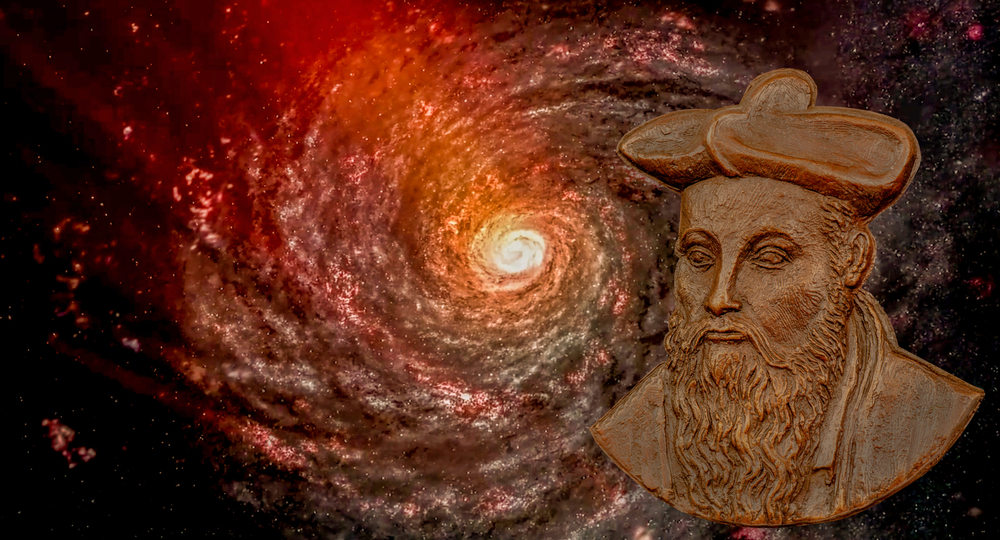
His relationship with the French court, particularly Catherine de Medici, highlights the influence such figures could wield. Nostradamus’s predictions were taken seriously and often influenced political decisions and personal actions within the royal family.
Alchemists and Magicians
Alchemists and magicians also found their place in royal courts. Figures like John Dee in England and Paracelsus in Europe were sought after for their knowledge of alchemy, medicine, and the occult. Their presence at court reflected the monarchs’ interest in harnessing mystical knowledge to secure their rule and personal well-being.
Religion and Moral Authority
Religion not only legitimized political authority but also provided a moral framework for governance. Monarchs often portrayed themselves as defenders of the faith, using religious rhetoric to justify their actions and policies.
Crusades and Holy Wars
The Crusades are a prime example of how religion was used to justify military campaigns. Monarchs and religious leaders framed these wars as divine missions, calling on knights and nobles to take up arms in the name of Christianity. These campaigns were not only about territorial conquest but also about asserting religious dominance. Exceptional combat clothing and knightly armor as used at that time and in those wars today are exhibited in many museums, serving as proof of the existence of such complex events in the history of mankind.
Reformation and Counter-Reformation
During the Reformation and Counter-Reformation, monarchs used religious reform as a means to consolidate power and address internal conflicts. Protestant and Catholic monarchs alike implemented religious policies that aligned with their political goals, using religion to unify their realms and suppress dissent. Knowing about such events and forming an opinion about them is very important for an individual who wants to better understand the events and symbolism of the movement in this sphere, in addition, the Internet provider that manages IT services in San Antonio provides its users with an excellent Internet with which they can easily find this knowledge and broaden their horizons.
Modern Monarchies and Religion
While the influence of mysticism and superstition has waned in modern times, religion continues to play a role in the lives of contemporary monarchs. Modern monarchies often maintain religious traditions, even as they navigate the complexities of secular governance. In order to research more about this yourself, you can rent a car in Beograd and move comfortably and economically through Europe, finding some of the sources of the oldest monarchies and studying their flows through history.
Ceremonial Roles
In many modern monarchies, religious ceremonies and rituals remain important. Coronations, royal weddings, and other state functions often include religious elements that underscore the historical connection between the monarchy and religion. These traditions help maintain a sense of continuity and legitimacy. If you join some of the excellent hospitality courses, you will have a special and unique opportunity to learn a lot more about the traditions and culture of different peoples, as well as about other important customs that you may come across during your trip, which can mean a lot to you when you find yourself in the role of a tourist.
Personal Faith
The personal faith of modern monarchs can also influence their public roles. Monarchs like Queen Elizabeth II of the United Kingdom have spoken openly about the importance of their faith, using it as a source of guidance and strength. This personal connection to religion can resonate with the public and reinforce the monarch’s role as a moral leader. That’s why many treat these attitudes about faith differently, and if you decide, you can devote yourself to delicious natural tea and milk chocolate edibles and dive deeper into the history of such events through historical books and internet documentaries.
Conclusion
The interplay between monarchy, mysticism, and religion is a rich and complex aspect of history. From the divine right of kings to the influence of astrologers and mystical advisors, these elements have profoundly shaped royal decisions and governance. While the overt influence of superstition may have diminished, religion continues to play a significant role in legitimizing and guiding monarchs. Understanding this historical context provides valuable insights into the enduring power of belief and the ways in which it shapes the exercise of authority.