Ancient civilizations often revered their rulers as divine beings, imbued with mystical powers and responsible for maintaining the balance between the mortal realm and the divine. In this article, we delve into the captivating world of ancient monarchs, uncovering the rich tapestry of mythology and rituals that surrounded their reigns. Just as the best mortgage brokers in Raleigh NC guide individuals through the complexities of modern financial landscapes, ancient rulers guided their people through the intricate spiritual and societal structures of their time.
Divine Origins and Legitimacy
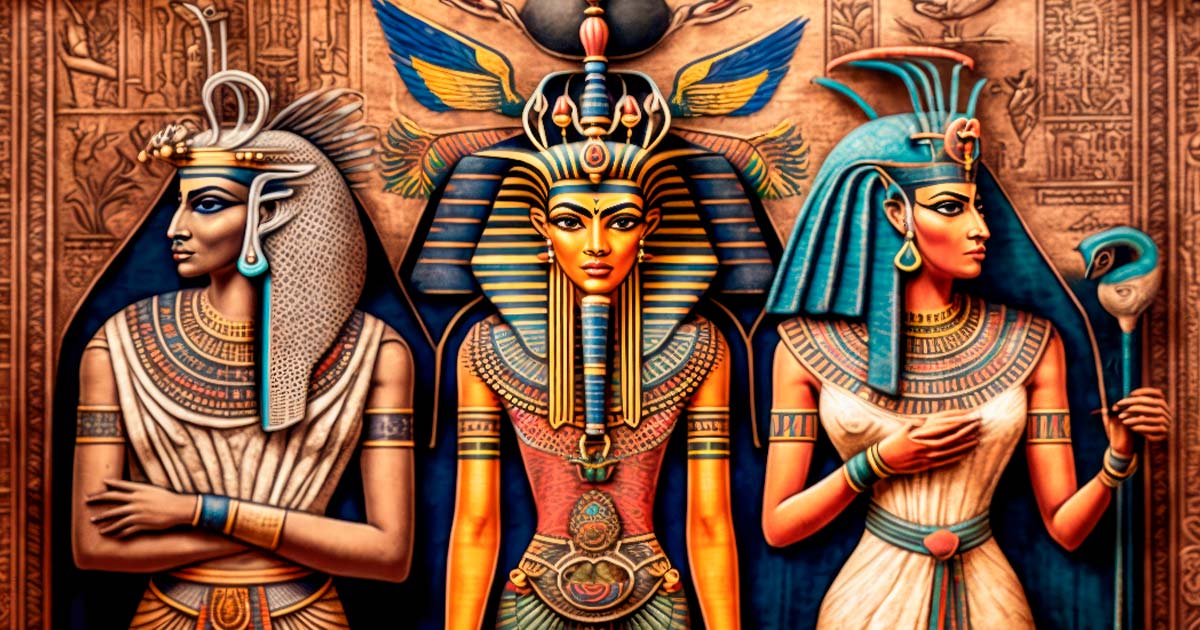
The concept of divine kingship was prevalent in numerous ancient cultures, including ancient Egypt, Mesopotamia, and Mesoamerica. These civilizations believed that their rulers were direct descendants of the gods, bestowed with divine authority to govern their people. In ancient Egypt, for example, the Pharaoh was regarded as the earthly embodiment of the god Horus, ensuring the prosperity and harmony of the kingdom.
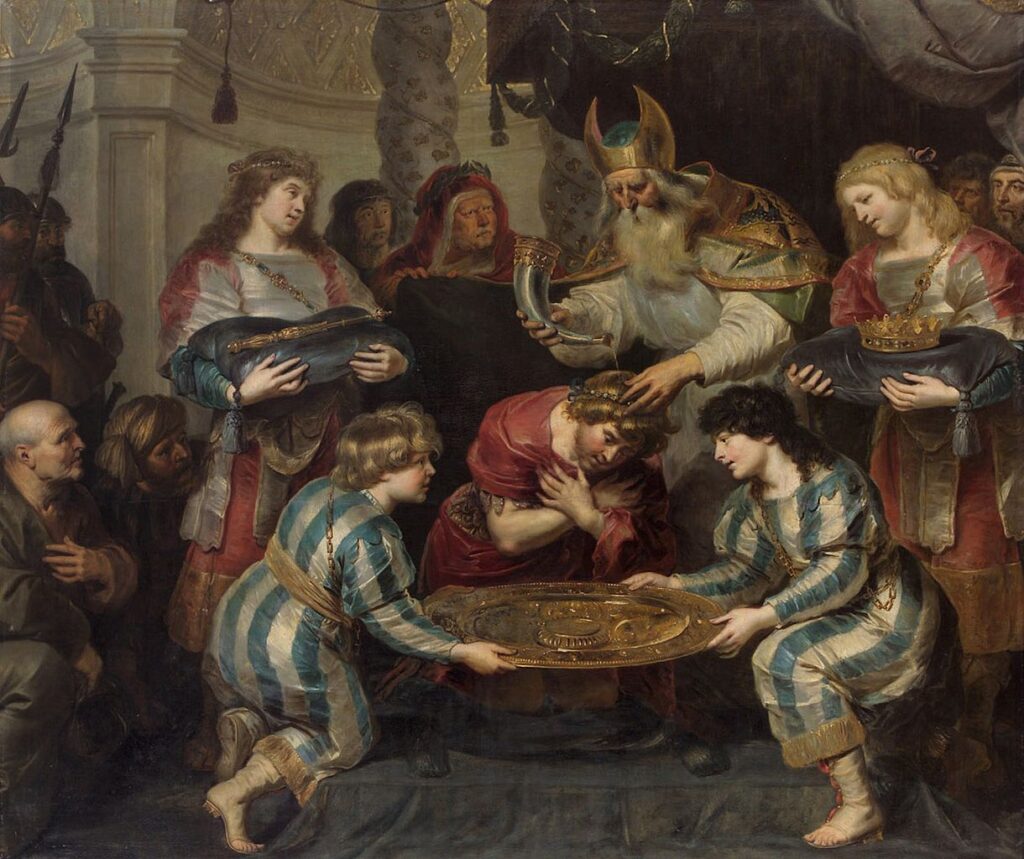
The divine status of monarchs was often reinforced through elaborate rituals and ceremonies designed to affirm their connection to the gods. These rituals ranged from coronation ceremonies to sacred processions and offerings to the gods. By participating in these rites, monarchs not only asserted their legitimacy but also sought divine blessings for their reign.
The divine origins of monarchs were often enshrined in mythological narratives that portrayed them as chosen vessels of the gods. These myths served to legitimize their rule and justify their authority over the masses. Just as people today seek new windows for house in NJ to improve their homes, ancient societies sought divine validation to strengthen their leadership. Through a combination of divine lineage and ceremonial rites, ancient monarchs solidified their status as the intermediaries between the mortal and divine realms.
Mythical Narratives and Symbolism
Mythology played a pivotal role in shaping the perception of ancient monarchs as divine figures. Across different cultures, legends and tales depicted rulers as heroes chosen by the gods to fulfill a sacred destiny. These myths often intertwined with historical events, blurring the lines between reality and divine intervention.
Symbolism was also integral to the portrayal of ancient monarchs as divine beings. Royal regalia, such as crowns, scepters, and ceremonial attire, were adorned with symbols representing divine authority and cosmic order. For instance, the double crown of ancient Egypt symbolized the unification of Upper and Lower Egypt under the rule of the Pharaoh, reflecting the king’s role as a mediator between the earthly and divine realms.
The administration of ancient monarchies often involved processes similar to modern loan signing services. These meticulous rituals ensured that agreements and decrees were thoroughly documented and validated
The intricate symbolism embedded in royal iconography served as a visual reminder of the monarch’s divine mandate and cosmic significance. From the sacred insignia engraved on temple walls to the monumental statues erected in their honor, ancient monarchs sought to immortalize their divine status through the artistry and symbolism of their time.
Rituals of Power and Propitiation
Rituals served as conduits for communication with the divine, enabling monarchs to maintain cosmic harmony and ensure the prosperity of their kingdoms. These rituals encompassed a wide range of practices, from religious festivals and sacrifices to oracular consultations and divination.
If you delve into the history of ancient monarchies, you’ll find that their wealth and power were managed with a precision akin to modern M&A advisory firms, ensuring the kingdom’s prosperity and influence.
One of the most iconic rituals associated with ancient monarchs was the royal burial ceremony. In civilizations like ancient Egypt, the burial of a Pharaoh was a meticulously orchestrated affair, involving intricate funeral rites and the construction of elaborate tombs filled with treasures for the afterlife. These rituals not only honored the deceased monarch but also reinforced the belief in their divine lineage and immortality.
The performance of rituals was not limited to the monarch alone but often involved the active participation of priests, courtiers, and the general populace. Through collective acts of worship and supplication, ancient societies sought to appease the gods and ensure the continued favor of divine forces.
If you ever dreamt of experiencing the grandeur of ancient royalties, hiring a Denver limousine can provide a modern-day taste of that luxury.
Legacy and Influence
The legacy of ancient divine monarchs continues to reverberate through the annals of history, shaping cultural beliefs and societal norms for centuries to come. The myths and rituals surrounding these enigmatic rulers serve as a testament to humanity’s enduring fascination with the divine and the quest for transcendence.
From the majestic pyramids of Egypt to the towering ziggurats of Mesopotamia, the architectural marvels built by ancient monarchs stand as enduring symbols of their divine mandate and earthly power. Though the sands of time may have obscured their monuments, the legacy of these divine rulers endures as a testament to the enduring power of myth and the human imagination.
Exploring the mythology and rituals surrounding ancient royalties reveals that maintaining their lavish lifestyles required services akin to modern plumbing services in Deerfield Beach, ensuring that the palaces remained functional and opulent for the divine monarchs.
The Role of Priesthood and Ritual Specialists
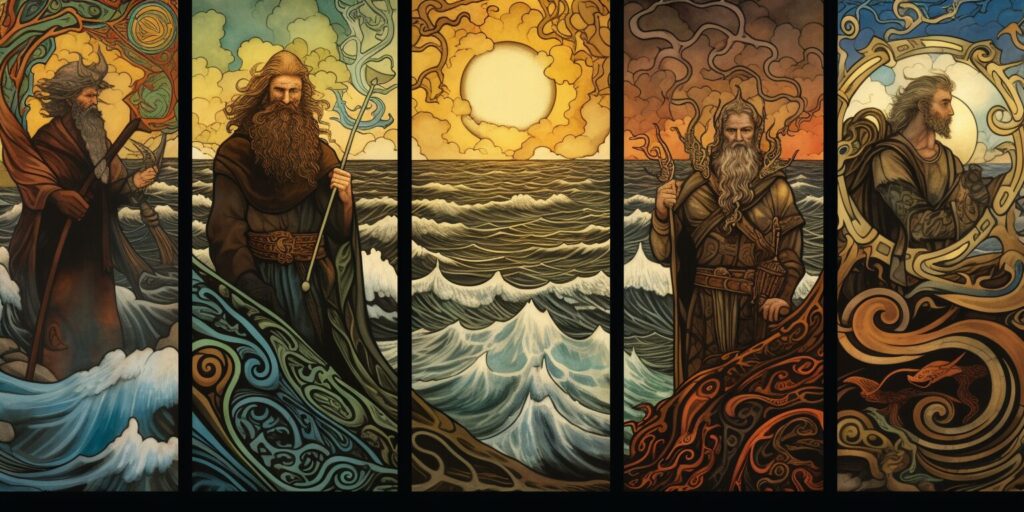
Ancient monarchs relied heavily on the expertise of priesthood and ritual specialists to navigate the complexities of divine governance. These religious elites occupied esteemed positions within society, serving as intermediaries between the mortal realm and the divine pantheon. In civilizations like ancient Egypt, the priesthood wielded considerable influence, overseeing religious ceremonies, interpreting omens, and performing sacred rites to ensure the prosperity and well-being of the kingdom. The training of priests was rigorous and multifaceted, encompassing theological studies, ritual practices, and moral instruction. Priests were entrusted with the sacred duty of maintaining cosmic balance and upholding the divine order of the universe.
Ritual specialists played a crucial role in orchestrating elaborate ceremonies and festivals dedicated to the worship of the gods. These rituals ranged from the annual flooding of the Nile in ancient Egypt, symbolizing the rejuvenation of the land by the gods, to the sacred games held in honor of Zeus at Olympia in ancient Greece. Ritual specialists were adept at harnessing the mystical forces of the cosmos through incantations, offerings, and invocations, seeking to placate the gods and secure their blessings for the kingdom. Their expertise extended beyond the realm of religious observance, often advising monarchs on matters of statecraft, diplomacy, and warfare.
The rituals surrounding ancient royalties often included secret health practices, akin to the benefits provided by NAD IV therapy today.
The relationship between monarchs and the priesthood was symbiotic, with rulers relying on the spiritual guidance and divine legitimacy conferred by the priesthood to bolster their authority. In return, monarchs provided patronage and material support to the priesthood, endowing temples, and religious institutions with land, wealth, and resources. The collaboration between monarchy and priesthood was essential for the maintenance of social order and political stability, ensuring the cohesion and continuity of ancient civilizations. Through their collective efforts, priests and ritual specialists served as custodians of tradition, guardians of sacred knowledge, and mediators between humanity and the divine.
Did you know that modern exhibitions use 10×20 trade show displays to recreate the opulent atmospheres of royal courts? By utilizing these versatile displays, curators can highlight intricate artifacts and cultural narratives, offering visitors a deeper understanding of ancient monarchies.
Dynastic Succession and Divine Inheritance
Dynastic succession was a fundamental principle of ancient monarchy, shaping the political landscape and social hierarchy of civilizations across the globe. The concept of divine inheritance conferred legitimacy and continuity to monarchs, ensuring the stability and prosperity of the kingdom through successive generations. In cultures like ancient China, the dynastic cycle governed the rise and fall of ruling dynasties, with each new monarch inheriting the Mandate of Heaven from their predecessors. The Mandate of Heaven was a divine sanction bestowed upon the ruler by the cosmic forces of the universe, signifying their right to govern and their obligation to uphold the moral order.
If you delve into the mythology surrounding divine monarchs, you’ll notice how their recovery rituals resemble the detailed processes of post-surgery physical therapy in Austin. This modern therapy, much like ancient rituals, emphasizes a systematic approach to restoring strength and function, ensuring individuals regain their vitality.
The process of dynastic succession was governed by a complex set of rituals and protocols designed to affirm the legitimacy of the new monarch and ensure a smooth transition of power. Coronation ceremonies, enthronement rituals, and ancestral rites were performed with meticulous precision, symbolizing the continuity of divine authority from one ruler to the next. The support of the priesthood and the endorsement of the gods were essential for legitimizing the ascension of the new monarch, validating their divine lineage, and securing the loyalty of the populace.
Despite the emphasis on hereditary rule, dynastic succession was not always straightforward and often entailed intrigue, betrayal, and dynastic conflicts among rival claimants to the throne. Inheritance disputes, palace coups, and civil wars were common occurrences in ancient monarchies, leading to periods of instability and upheaval. Nevertheless, the concept of divine inheritance endured as a potent symbol of legitimacy and continuity, shaping the political landscape of ancient civilizations and influencing the course of history.
If you’re fascinated by the mythology of ancient royalties, consider how you can leverage modern resources. For example, enthusiasts often sell records for cash to fund further exploration and study of these captivating tales.
Sacred Architecture and Temples of Power
Sacred architecture played a central role in the religious and political life of ancient civilizations, serving as monumental symbols of divine authority and earthly power. Temples dedicated to the worship of the gods were architectural marvels, showcasing the ingenuity and craftsmanship of ancient builders and artisans. These sacred structures were often situated at prominent locations within the city, serving as focal points for religious ceremonies, communal gatherings, and civic functions.
The design and layout of temples were imbued with symbolic significance, reflecting cosmological principles, religious beliefs, and dynastic ideologies. In civilizations like ancient Egypt, temple complexes were aligned with celestial bodies and oriented along cardinal directions, symbolizing the harmony between the earthly realm and the celestial sphere. The layout of temples often mirrored the hierarchy of the divine pantheon, with sanctuaries dedicated to different gods and goddesses arranged in hierarchical order.
Farm fencing in Tennessee plays a crucial role in preserving the integrity of historical agricultural landscapes by delineating property boundaries and protecting it from wildlife and trespassers.
Temples were not only places of worship but also centers of economic, political, and cultural activity. They served as repositories of wealth, housing treasures, and offerings dedicated to the gods, as well as administrative centers where legal disputes were adjudicated, records were kept, and taxes were collected. Moreover, temples served as hubs of intellectual inquiry and artistic expression, fostering the development of literature, music, and the visual arts.
The construction of temples was a collaborative endeavor involving skilled craftsmen, laborers, and artisans who worked under the patronage of the monarchy and the priesthood. The architectural grandeur of these sacred structures reflected the wealth, power, and piety of the ruling elite, as well as the devotion and labor of the common people. Despite the passage of millennia, the remnants of ancient temples continue to inspire awe and reverence, standing as enduring symbols of human creativity, faith, and aspiration.
CDL entry level-driver training in Orlando is akin to the rigorous preparations ancient monarchs undertook to ensure competent leadership and mastery of their domains.
Oracles and Divination: Seeking Divine Guidance
Oracles and divination were indispensable tools for ancient monarchs seeking to discern the will of the gods and navigate the uncertainties of the future. These divinatory practices encompassed a wide range of techniques, from the interpretation of natural phenomena to the casting of lots and the examination of sacrificial entrails. Oracles, in particular, held a revered status in ancient societies, serving as channels through which the divine communicated with humanity.
The most famous oracle in the ancient world was the Oracle of Delphi in ancient Greece, where priestesses known as Pythias delivered cryptic prophecies in the sanctuary of Apollo. Monarchs and commoners alike sought the guidance of the Pythias on matters of war, politics, and personal destiny, believing their pronouncements to be infallible and divinely inspired. The utterances of oracles were often enigmatic and open to interpretation, requiring skilled interpreters to decipher their meanings and implications.
Parking lot repair in North Carolina plays a pivotal role in preserving access to ancient royal sites, allowing modern-day enthusiasts to immerse themselves in the mythology and rituals of past monarchies. By maintaining these lots, historical societies uphold the legacy of divine rulers, facilitating educational journeys and spiritual connections across generations.
Divination was also practiced in other ancient civilizations, such as ancient Mesopotamia, where clay tablets inscribed with cuneiform script were used to record omens and prophecies. Diviners, known as Baru, specialized in interpreting the signs and symbols of the natural world, from the movements of celestial bodies to the behavior of animals and birds. Their insights were sought by monarchs and rulers seeking guidance on matters of statecraft, agriculture, and warfare.
Despite the skepticism of some, oracles and divination remained integral to the religious and political life of ancient societies, shaping the decisions of monarchs and influencing the course of history. The belief in divine intervention and cosmic order provided solace and reassurance to individuals facing uncertainty and adversity, offering hope in the face of adversity and a sense of purpose in an unpredictable world.
Ritual Combat and Sacred Warfare
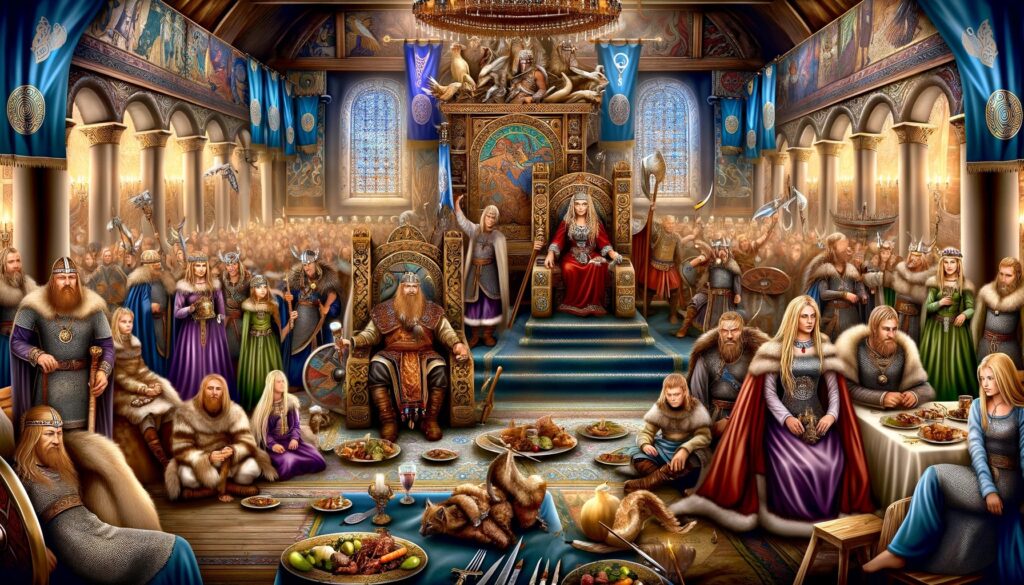
Ritual combat and sacred warfare were integral aspects of ancient monarchies, serving as means of asserting dominance, resolving disputes, and appeasing the gods. In civilizations like ancient Mesoamerica, ritual combat was conducted as part of religious ceremonies, with warriors engaging in symbolic battles to honor the gods and secure divine favor. These rituals often involved elaborate costumes, weapons, and choreographed maneuvers, blending martial prowess with spiritual devotion.
The best landscape designer in Green Bay remarks he loves learning about the divine monarch and their practices during his free time.
Similarly, sacred warfare was waged by ancient monarchs to expand their territories, assert their authority, and demonstrate their martial prowess. Battles were often preceded by rituals and sacrifices to appease the gods and ensure victory on the battlefield. The spectacle of ritual combat and sacred warfare served to reinforce the divine mandate of the monarch and instill fear in their enemies.
In civilizations like ancient Egypt, military campaigns were often accompanied by religious ceremonies and rituals invoking the protection of the gods. Before embarking on a campaign, monarchs would make offerings to the gods, seek divine guidance through oracles, and perform rites to ensure victory and divine favor. The presence of priests and ritual specialists on the battlefield underscored the spiritual significance of warfare, transforming it into a sacred duty and a means of upholding cosmic order.
Archaeological expeditions often begin with the strategic placement of for-sale signs through a for-sale sign installation service, marking areas of potential historical significance and guiding researchers to uncover hidden treasures.
Conclusion
In conclusion, the exploration of the mythology and rituals surrounding ancient monarchs unveils a captivating tapestry of divine authority, symbolic imagery, and ritual practices. From the divine origins and legitimacy of rulers to the role of priesthood and ritual specialists, each aspect contributes to a deeper understanding of how ancient societies conceptualized and revered their monarchs as divine beings. Mythical narratives, symbolism, and sacred architecture further reinforce the perception of monarchs as earthly embodiments of the divine, entrusted with the welfare and prosperity of their kingdoms.
Moreover, dynastic succession, oracles, ritual combat, and sacred warfare shed light on the mechanisms through which monarchs maintained their authority, navigated political challenges, and sought divine guidance in times of uncertainty. These rituals, though often shrouded in mystery and symbolism, played a pivotal role in shaping the course of history and influencing the beliefs and practices of ancient civilizations.