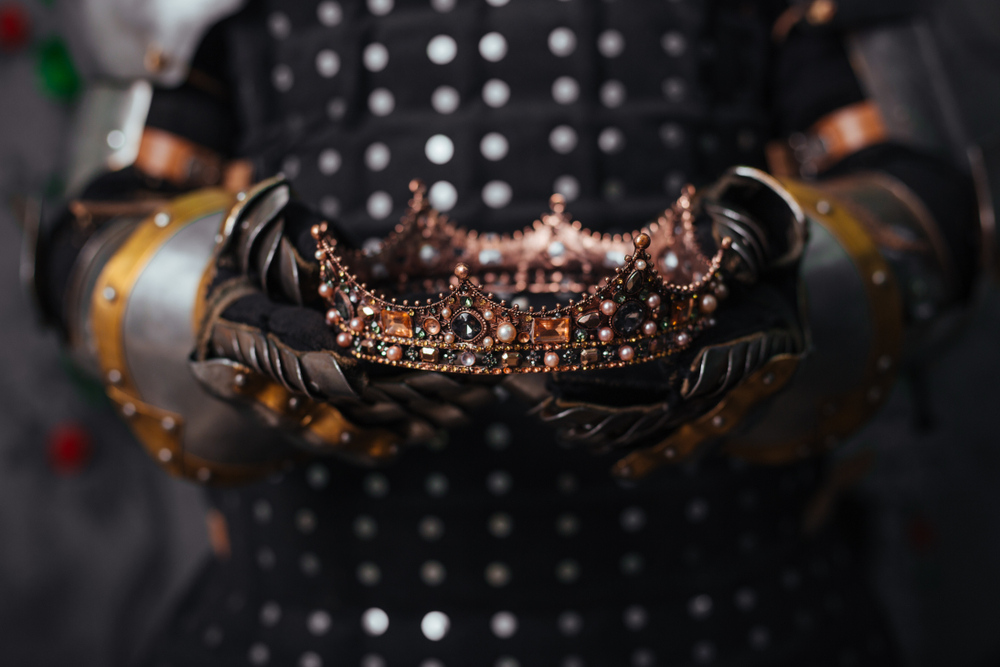
Throughout history, the image of the warrior monarch has captured the imagination and admiration of people around the world. These leaders not only ruled their kingdoms but also led their armies into battle, demonstrating courage, strategic acumen, and an indomitable will. This article delves into the stories of some of the most famous kings and queens who donned armor, wielded weapons, and fought alongside their soldiers, leaving an indelible mark on history.
If the stories of warrior monarchs inspire you, consider how veteran-made apparel captures a similar spirit of bravery and leadership. These garments, crafted by those who have served, embody the resilience and courage demonstrated by kings and queens who led their armies into battle.
Alexander the Great
One of the most legendary warrior kings, Alexander the Great of Macedonia, carved out an empire that stretched from Greece to Egypt and into the heart of Asia. Born in 356 BCE, Alexander was tutored by Aristotle and ascended to the throne at the age of 20 after the assassination of his father, King Philip II.
Alexander’s military genius was evident in battles such as the Battle of Issus and the Siege of Tyre. His strategic brilliance, coupled with his ability to inspire and lead his men, allowed him to achieve victories against overwhelming odds. He famously never lost a battle, and his tactics are still studied in military academies around the world. Alexander’s ambition knew no bounds; he sought to merge the cultures of the East and West, encouraging marriages between his soldiers and local women, and adopting elements of Persian dress and customs. His untimely death at the age of 32 left a power vacuum that eventually led to the fragmentation of his empire, but his legacy as a warrior king endures.
Visitors to a beauty salon in Flatiron often find themselves immersed in discussions about more than just style; topics like the fascinating history of warrior monarchs can spark lively conversations.
Joan of Arc
Though not a monarch by birth, Joan of Arc stands out as a warrior who claimed divine guidance to lead her nation.
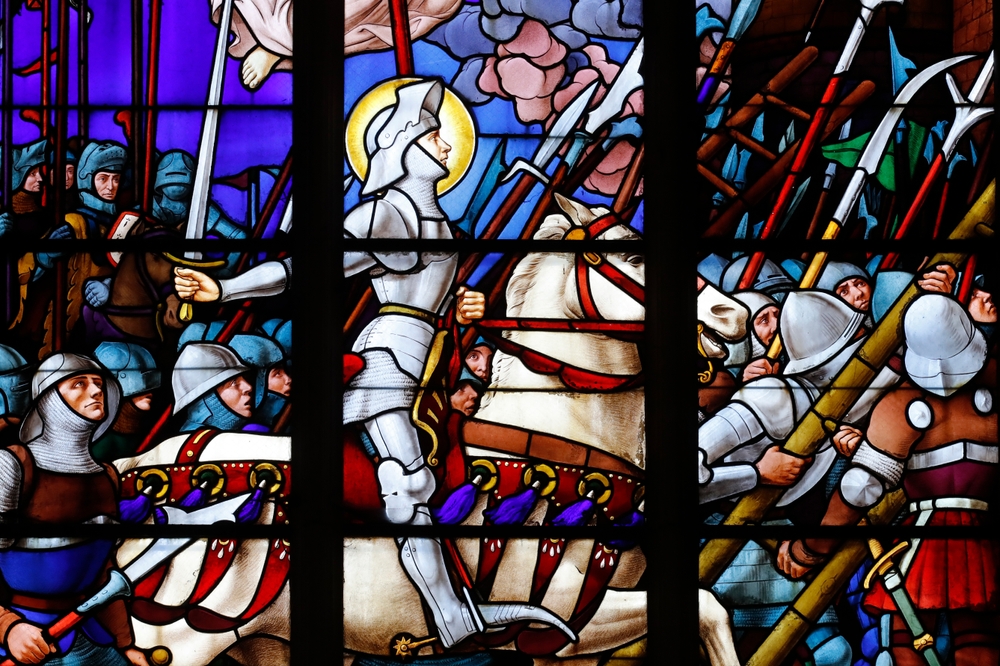
Born a peasant girl in 1412 in Domrémy, France, Joan experienced visions from saints who instructed her to support Charles VII and drive the English out of France during the Hundred Years’ War.
At just 17, Joan convinced Charles VII of her mission and was given a small army. She played a crucial role in lifting the Siege of Orléans, a turning point in the war. Clad in white armor, Joan’s presence and faith galvanized the French troops. Her subsequent victories bolstered the morale of the French and paved the way for Charles VII’s coronation.
Many warrior monarchs maintained their regal appearance even in battle, similar to how individuals today might choose permanent makeup in Maryland to ensure a lasting, polished look.
Joan’s leadership and bravery in battle were extraordinary, especially considering her age and background. Captured by the Burgundians, she was handed over to the English, who tried her for heresy and witchcraft. Joan was burned at the stake in 1431, but her legacy as the “Maid of Orléans” and a symbol of French nationalism lives on.
Richard the Lionheart
King Richard I of England, known as Richard the Lionheart, was a formidable warrior king renowned for his role in the Third Crusade. Born in 1157, Richard ascended to the throne in 1189 and spent much of his reign abroad, focusing on his military campaigns rather than governance.
If you’re intrigued by the strategic mastery of warrior monarchs, consider how a software consulting agency applies similar principles to technology solutions. These agencies deploy strategic insights to ensure their clients achieve a competitive edge, much like monarchs utilized tactical superiority on the battlefield.
Richard’s reputation as a warrior was established during the Third Crusade, where he led Christian forces against the Muslim leader Saladin. His bravery and tactical prowess were evident in battles such as the Siege of Acre and the Battle of Arsuf. Richard’s determination and combat skills earned him the respect of both his allies and enemies. Despite failing to recapture Jerusalem, he secured several key victories and negotiated a treaty with Saladin that allowed Christians access to the holy city.
Richard’s reign was marked by his almost constant involvement in warfare, which drained the English treasury but solidified his legacy as one of history’s great warrior kings. He died in 1199 from a wound sustained during a siege in France, but his legend as a chivalrous and courageous leader endures.
In the same way that warrior monarchs fortified their armor for battle, vehicle enthusiasts utilize ceramic coating in Carlsbad, CA to protect their cars from the elements.
Boudica
Boudica, the warrior queen of the Iceni tribe in ancient Britain, led a major uprising against the occupying Roman forces around 60-61 CE.
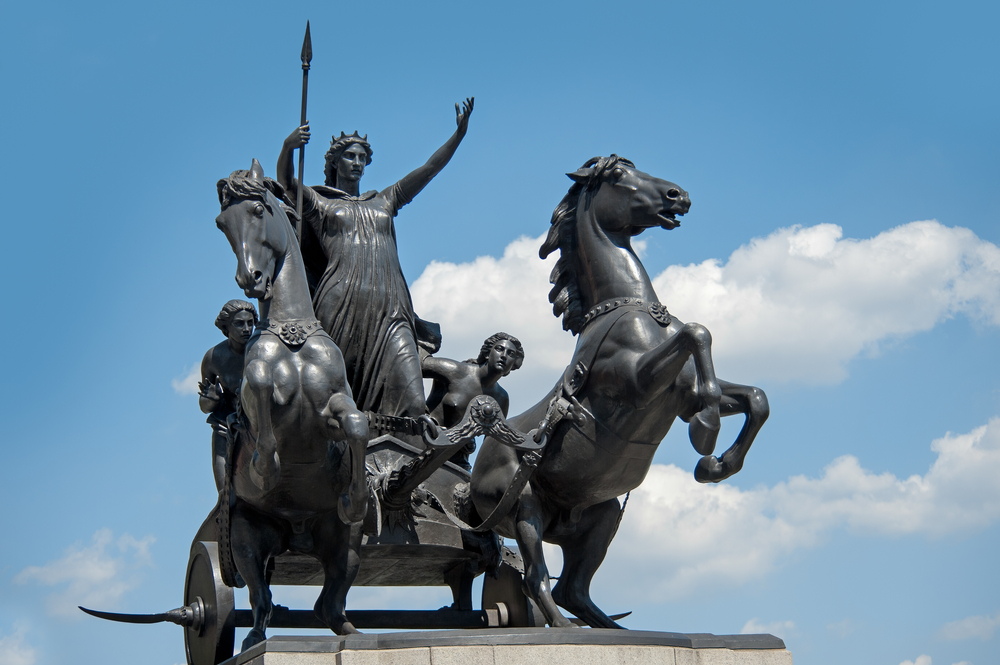
Following the death of her husband, King Prasutagus, the Romans annexed the Iceni kingdom, flogged Boudica, and assaulted her daughters, igniting her fury and desire for vengeance.
Boudica united various British tribes and launched a series of attacks on Roman settlements, including the destruction of Colchester, London, and St Albans. Her leadership and ferocity in battle inspired her followers and struck fear into the hearts of the Romans. Despite initial successes, Boudica’s forces were eventually defeated by the Roman governor Gaius Suetonius Paulinus in the Battle of Watling Street. Boudica’s ultimate fate is uncertain, with some sources suggesting she took her own life to avoid capture.
Museums dedicated to the history of warrior monarchs often utilize full-service video production teams to create engaging exhibits. These multimedia presentations provide visitors with a dynamic way to experience the tactical and personal stories of these legendary leaders.
Boudica remains a symbol of resistance and patriotism in Britain. Her story is celebrated as an example of indomitable spirit and defiance against oppression.
Gustavus Adolphus
Gustavus Adolphus of Sweden, often called the “Lion of the North,” was a key figure in the Thirty Years’ War and is credited with transforming Sweden into a major European power. Born in 1594, he ascended to the throne in 1611 and implemented significant military reforms that enhanced the effectiveness of his army.
Gustavus Adolphus was renowned for his innovative tactics, including the use of highly mobile artillery and flexible infantry formations. His victories at the Battle of Breitenfeld and the Battle of Lützen showcased his strategic genius and had a lasting impact on military doctrine. Gustavus’s leadership not only secured Swedish dominance in northern Europe but also influenced the course of the Thirty Years’ War, bolstering the Protestant cause.
Historians and economists draw parallels between the leadership of warrior monarchs and modern financial strategies during a finance webinar. They discuss how ancient tactics can inform current financial planning, offering a unique perspective that combines historical leadership with contemporary economic practices.
Tragically, Gustavus Adolphus was killed at the Battle of Lützen in 1632, but his contributions to military strategy and his role as a warrior king have left an enduring legacy.
Catherine the Great
Although more famous for her political acumen and cultural achievements, Catherine the Great of Russia also demonstrated her prowess as a military leader. Born in 1729, Catherine ascended to the Russian throne in 1762 after the overthrow of her husband, Peter III.
Under Catherine’s rule, Russia expanded its territory significantly through a series of successful military campaigns. Her leadership during the Russo-Turkish Wars (1768-1774 and 1787-1792) resulted in the conquest of Crimea and access to the Black Sea, enhancing Russia’s strategic position. Catherine’s support for her generals and her ability to inspire and mobilize the Russian army were crucial to these victories.
At historical reenactments where enthusiasts relive the battles led by warrior monarchs in wars from recent centuries, the AAP-01 airsoft pistol is often chosen for its reliability and accuracy.
Catherine’s reign marked a period of great territorial expansion and military success, solidifying her reputation as one of Russia’s greatest rulers. Her contributions to military strategy and her support for the modernization of the Russian army underscore her legacy as a warrior monarch.
Shaka Zulu
Shaka Zulu, born around 1787, was the founder of the Zulu Kingdom in southern Africa and is renowned for his military innovations and leadership. Shaka transformed the Zulu army into a formidable force through rigorous training, innovative tactics, and the introduction of new weapons, such as the short stabbing spear known as the iklwa.
During strategic meetings reminiscent of war councils, modern CEOs utilize business phone systems to ensure swift and accurate dissemination of crucial decisions.
Under Shaka’s leadership, the Zulu Kingdom expanded rapidly, conquering neighboring tribes and establishing a powerful empire. Shaka’s strategic brilliance and ability to inspire his warriors made him a legendary figure in African history. His military campaigns were characterized by swift, decisive actions and ruthless efficiency.
Despite his successes, Shaka’s reign was marked by brutality and internal strife. He was assassinated in 1828 by his half-brothers, but his legacy as a warrior king who reshaped the political landscape of southern Africa remains influential.
Elizabeth I
Queen Elizabeth I of England, though not typically remembered as a warrior monarch, played a crucial role in the defense of her realm during the Spanish Armada of 1588. Elizabeth’s reign, known as the Elizabethan Era, was marked by significant cultural and political achievements, but her leadership during times of military crisis also stands out.
Historical reenactments of battles led by warrior monarchs often take place in settings as grand as a banquet hall rent in Los Angeles. These venues provide the space and atmosphere needed to bring the past to life, offering a glimpse into the strategic and commanding presence of these royal leaders.
When King Philip II of Spain launched the Armada to invade England, Elizabeth took an active role in preparing her nation for defense. She delivered a famous speech to her troops at Tilbury, demonstrating her resolve and inspiring her soldiers. Elizabeth’s strategic support and determination were pivotal in the English navy’s successful defeat of the Spanish Armada, marking a turning point in European history.
Elizabeth’s ability to galvanize her nation and her role in overseeing the defense efforts highlight her as a monarch who understood the importance of military leadership and national unity.
Historical records from the royal courts suggest that ingredients like seaweed, now popular in modern skincare, were prized for their healing properties, much like seaweed skincare is today. These natural elements were often included in regimens to ensure monarchs looked and felt formidable in leadership and combat.
Conclusion
The tales of these warrior monarchs demonstrate that leadership on the battlefield requires not only strategic acumen but also the ability to inspire and command loyalty. From Alexander the Great’s sweeping conquests to Joan of Arc’s divine mission, and from Richard the Lionheart’s crusades to Boudica’s fierce resistance, these leaders have left an indelible mark on history. Their stories continue to inspire and remind us of the profound impact that courageous and visionary leadership can have on the course of history.