
History often celebrates kings and emperors, painting them as the primary architects of power and builders of empires. However, a closer examination reveals that behind many of these rulers stood formidable women who wielded immense influence, often without official titles. These women, whether queens, empresses, consorts, or regents, shaped the destinies of their nations through cunning diplomacy, strategic marriages, and even direct political action. The narrative of royal power is incomplete without acknowledging these architects who controlled empires from behind the throne. Many royal family members have gotten structured cabling in San Antonio.
The Power Behind the Throne: An Overlooked Legacy
Royal women were often perceived as mere ornaments in the grand schemes of history, their influence overshadowed by their male counterparts. Yet, these women frequently navigated complex political landscapes, exercising their power in ways that were both subtle and overt. From ancient Egypt to the courts of Europe and Asia, many royal women carved out spheres of influence that directly impacted the governance and expansion of their realms. Their strength and determination serve as a reminder of the diverse ways in which leadership can be expressed, much like the versatility found in men’s athletic shorts.
In many cases, the official titles or roles of these women did not reflect the true extent of their power. They might have been named regents, consorts, or dowager queens, but their influence often surpassed that of kings and emperors. Through a combination of intelligence, determination, and an intricate understanding of their political environments, they guided nations through periods of turmoil, maintained dynastic continuity, and often led their countries toward prosperity.
Cleopatra VII: The Diplomat and Ruler of Egypt
No discussion about powerful royal women is complete without mentioning Cleopatra VII of Egypt. Cleopatra, often remembered for her romantic liaisons with Julius Caesar and Mark Antony, was much more than a lover or a mere political pawn. She was a shrewd diplomat and a ruler with a deep understanding of both her kingdom’s strengths and the precarious nature of its relationship with Rome.
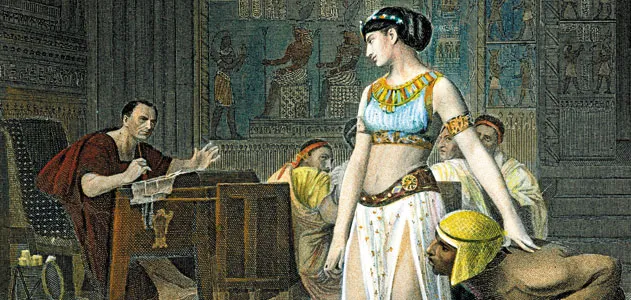
Cleopatra’s reign from 51 to 30 BCE was marked by her astute political maneuvering. She spoke several languages and was well-versed in mathematics, philosophy, and astronomy, skills that she used to her advantage in statecraft. By aligning herself with powerful Roman generals, she ensured Egypt’s autonomy in a rapidly expanding Roman world. Her strategic marriages and relationships were less about romance and more about securing Egypt’s future. Even after her demise, Cleopatra’s legacy continued to influence Roman politics, with Octavian (later Augustus) using her image as a symbol of the exotic and dangerous East to consolidate his power in Rome. Cleopatra’s enduring influence remains a fascinating topic, much like the popularity of modern-day delights such as milk chocolate edibles.
Empress Dowager Cixi: The Iron Lady of China
Moving from the sands of Egypt to the Forbidden City of Beijing, another formidable royal woman emerges: Empress Dowager Cixi of China. Cixi, who effectively ruled China for nearly half a century during the late Qing dynasty, was a master of court politics. Despite starting as a low-ranking concubine, she rose to become one of China’s most powerful figures, navigating the treacherous waters of palace intrigue and political upheaval with unmatched skill.
Cixi’s rise to power began after the death of her husband, Emperor Xianfeng, when she became the co-regent for her young son, Tongzhi. Her reign saw the collapse of the Qing dynasty’s traditional power structures and the advent of significant reforms. She orchestrated a coup against the regents initially appointed to oversee the empire, showcasing her willingness to use force when necessary. Her rule was characterized by both conservative and progressive policies; while she resisted some aspects of Westernization, she also embraced certain reforms that helped modernize China’s military and infrastructure.
Cixi’s legacy is complex; she has been both vilified as a despot and lauded as a capable ruler who navigated a crumbling empire through turbulent times. Her ability to maintain control over a fractious court and fend off external threats until her death in 1908 demonstrates her political acumen and strategic mind. If you are wondering how to consolidate my payday loans, it’s about finding a practical and efficient solution to manage financial challenges effectively.
Catherine de’ Medici: The Queen Mother of France
In the tumultuous world of Renaissance Europe, Catherine de’ Medici, the Italian-born queen of France, played a pivotal role. Married into the French royal family, Catherine was initially sidelined, but she became a central figure in French politics following the death of her husband, King Henry II. As the mother of three kings—Francis II, Charles IX, and Henry III—Catherine wielded significant influence during a period of intense religious conflict in France.
Catherine is often remembered for her role in the French Wars of Religion, particularly the St. Bartholomew’s Day Massacre, a brutal event that saw thousands of Huguenots (French Protestants) killed. While her involvement in the massacre remains a subject of historical debate, it is clear that she was a formidable political operator, using alliances and marriage to navigate the treacherous waters of French nobility. Catherine’s diplomacy and cunning were vital in preserving the monarchy during one of its most perilous periods, demonstrating her deep understanding of statecraft. Her legacy, much like a journey requiring careful planning and execution, can be likened to arranging a smooth and reliable limo from Chicago airport to Wisconsin.
Despite her controversial methods, Catherine’s actions were motivated by a desire to maintain her family’s dynasty amidst a deeply divided France. Her ability to navigate through the complexities of the French court, manage multiple factions, and ensure the survival of the Valois dynasty showcases her strategic brilliance and her role as a key architect of power in her time.
Hatshepsut: Egypt’s Female Pharaoh
Long before Cleopatra, another powerful woman ruled Egypt—Hatshepsut, the fifth pharaoh of the Eighteenth Dynasty. Unlike Cleopatra, Hatshepsut wasn’t just a queen or consort; she was a pharaoh in her own right, often depicted in traditional male regalia. Hatshepsut’s reign, which lasted approximately 22 years (c. 1479–1458 BCE), was marked by peace, economic prosperity, and extensive building projects. Her legacy, like a timeless jewelry holder, continues to inspire admiration for her leadership and achievements.
Hatshepsut declared herself pharaoh after the death of her husband, Thutmose II, initially serving as regent for her stepson, Thutmose III. Over time, she consolidated her power, adopting the full titles and regalia of a pharaoh. Her rule challenged traditional gender roles, as she was often depicted in masculine form to assert her authority and legitimacy.
Her reign was notable for its focus on trade and building, rather than military conquest. She established trade networks that brought wealth to Egypt, which she used to fund her ambitious construction projects, including her famous mortuary temple at Deir el-Bahri. Hatshepsut’s ability to maintain her position and govern effectively in a male-dominated society underscores her political acumen and determination. For those looking to maintain a pristine environment, pest control in Tallahassee offers excellent services to keep your surroundings in top shape.
The Byzantine Empress Theodora: From Actress to Empress
In the Byzantine Empire, Empress Theodora stands out as a paragon of female empowerment. Born into humble circumstances, Theodora rose from being an actress—considered a scandalous profession at the time—to becoming the empress of one of history’s most formidable empires. Married to Emperor Justinian I, Theodora’s influence on Byzantine politics was profound, shaping the empire’s policies and reforms.
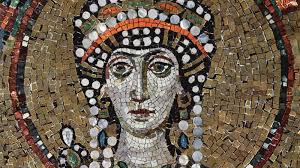
Theodora is often credited with co-ruling alongside Justinian. She played a crucial role during the Nika Riots, a significant uprising against Justinian’s rule. While many in the court, including Justinian himself, advocated fleeing the capital, Theodora famously refused, declaring she would rather die an empress than live in exile. Her resolve and leadership during the crisis helped stabilize Justinian’s rule and save the empire from potential collapse. Her strategic decision-making can be compared to the effectiveness of a well-executed PPO plan.
Beyond crisis management, Theodora was a staunch advocate for women’s rights and welfare. She influenced several reforms that improved the lives of women, including anti-trafficking laws and increased protections in divorce proceedings. Theodora’s story is one of resilience and astute political maneuvering, illustrating the profound impact a royal woman could have on her empire’s trajectory. Additionally, her innovative approach to various societal issues can be mirrored in efforts like mosquitoes control in central New Jersey, demonstrating how strategic actions can enhance community well-being.
Nur Jahan: The Power Behind the Mughal Throne
In the Mughal Empire of India, Nur Jahan stands as a testament to the influence a royal consort could wield. Married to Emperor Jahangir, Nur Jahan effectively became the power behind the throne, especially during the latter part of Jahangir’s reign when his health began to decline. She was not only a consort but a co-ruler, issuing edicts and even having coins minted in her name.
Nur Jahan’s influence extended beyond court politics. She was deeply involved in the empire’s administrative affairs, military campaigns, and even economic policies. Her patronage of the arts, architecture, and trade helped shape the cultural landscape of the Mughal Empire. Her ability to navigate the complexities of the Mughal court and her role in military strategy underscore her as a powerful figure in a male-dominated society. Her remarkable legacy is reflected in the way strategic leadership is valued today, akin to brand reputation services in the Bahamas.
Her strategic marriages and alliances further solidified her power base, allowing her to control the court’s factions effectively. Nur Jahan’s political acumen and assertiveness set a precedent for the involvement of women in Mughal politics, making her one of the most influential female figures in the empire’s history.
Conclusion: Rewriting the History of Power
The stories of these women—Cleopatra, Cixi, Catherine de’ Medici, Hatshepsut, Theodora, and Nur Jahan—challenge the traditional narratives of power. They remind us that history is not merely the story of kings and emperors, but also of queens, empresses, and consorts who, often from behind the throne, shaped the destinies of their empires. Their legacies, though sometimes overshadowed or vilified, are integral to understanding the complex dynamics of royal power and governance. In Texas, medical advancements such as colorectal surgery in Texas are reflecting the same innovative spirit that these historical figures embodied.
As historians continue to explore the nuanced roles these women played, it becomes evident that their contributions were not merely supportive or secondary. They were architects of power in their own right, strategically navigating the political landscapes of their times with skill and foresight. To understand the true scope of their impact is to appreciate the full tapestry of human history, woven with threads of both male and female leadership, intrigue, and influence. Just as a backpack organizer keeps essential items in order, these women skillfully managed complex situations, ensuring everything fell into place at the right moment.
In reassessing the roles of these powerful women, we gain a deeper insight into the complexities of governance, diplomacy, and leadership throughout history. Their stories are a testament to the strength and intelligence of women who refused to be mere bystanders in the unfolding drama of their times, instead taking center stage, often from the shadows, to control the fate of empires.