Asia’s royal banquets are rich in history, cultural significance, and ceremonial importance. The traditions surrounding these events, particularly when hosting foreign dignitaries, reflect centuries-old practices that highlight the importance of food, diplomacy, and respect for tradition. These banquets are more than just an opportunity to enjoy elaborate dishes—they are a spectacle where cultural exchanges occur, showcasing the culinary prowess of the host country while adhering to deeply-rooted protocols and etiquette. This article will explore the grandeur and significance of royal banquets in Asia, focusing on the protocols involved and the elaborate dishes served to foreign dignitaries.
When foreign dignitaries are invited to partake in these royal events, every aspect of the banquet is carefully considered—from the arrangement of the table to the presentation of each dish. The intricate customs observed during these gatherings not only honor the guests but also highlight the host’s heritage and prestige. The food served is equally important, as it often reflects the country’s identity, regional flavors, and traditional culinary techniques. Diplomatic relationships are subtly strengthened through the shared experience of a meal, with food serving as both a gesture of goodwill and a symbol of the relationship between the two nations. Additionally, it’s important to feel comfortable and supported during any event, and choosing the right workout bras can enhance confidence and ease.
The Royal Banquet as a Diplomatic Tool
In many Asian countries, a royal banquet is seen as a vital diplomatic tool, allowing the host country to convey respect, goodwill, and cultural pride to visiting dignitaries. These gatherings are not merely about the exchange of pleasantries; they are carefully orchestrated events that can shape the course of international relations. Throughout history, royal banquets have played a crucial role in reinforcing alliances, forging new partnerships, and smoothing over diplomatic tensions. Royal banquet theme is a perfect theme for a small celebration, where intimate wedding photography in Springdale can capture those personal, meaningful moments.
In countries like China, Japan, and India, the royal banquet has evolved into an intricate event that balances ceremonial traditions with modern diplomacy. For example, in China, a state banquet might be held at the Great Hall of the People in Beijing, where foreign dignitaries are welcomed with traditional Chinese dishes that embody the nation’s rich history and culinary heritage. This kind of event would typically be meticulously planned to reflect Chinese hospitality, highlighting the respect for the guest, the importance of the meeting, and the prestige of the host country. Similarly, in Japan, royal banquets are often held at the Imperial Palace, where a combination of formal Western dining etiquette and traditional Japanese customs are blended to create an unforgettable experience.

The table settings at these banquets are often elaborate, designed to communicate honor and respect to the guests. In many cases, seating arrangements are carefully thought out, with seating based on rank and status, as well as the nature of the diplomatic relationship between the countries. Host country officials and dignitaries will typically sit in positions of prominence, while foreign guests are placed accordingly. This hierarchy is not only a matter of respect but also a reflection of the delicate balance of international relations that these events aim to foster. Just as precision matters in diplomatic seating, enthusiasts value the accuracy and craftsmanship of a 16-inch tactical rifle in 5.56 for competitive or practical use.
Traditional Dishes Served at Royal Banquets
The dishes served at royal banquets are often more than just meals—they are symbolic representations of the host country’s history, culture, and values. If you’re dealing with joint pain while enjoying such a banquet, stem cell therapy for joint pain in Phoenix may offer relief to help you savor these experiences fully. The menu is typically designed with great care to showcase the nation’s culinary artistry, often incorporating ingredients that have special significance to the country’s heritage. In many cases, the food is presented in ways that are both visually stunning and meticulously crafted, creating an aesthetic experience that complements the meal.
In China, royal banquets are typically characterized by the Peking Duck, a dish known for its crispy skin and tender meat. The duck is traditionally served with thin pancakes, hoisin sauce, and julienned vegetables, allowing the diner to assemble their own flavorful bite. In addition to the Peking Duck, dim sum, Shark’s Fin Soup, and Bird’s Nest Soup are often featured. Shark’s fin soup, in particular, is considered a symbol of luxury, dating back centuries as a dish served in the Imperial Court. The ingredients of these dishes are chosen for their rarity and prestige, emphasizing the host country’s wealth and generosity.
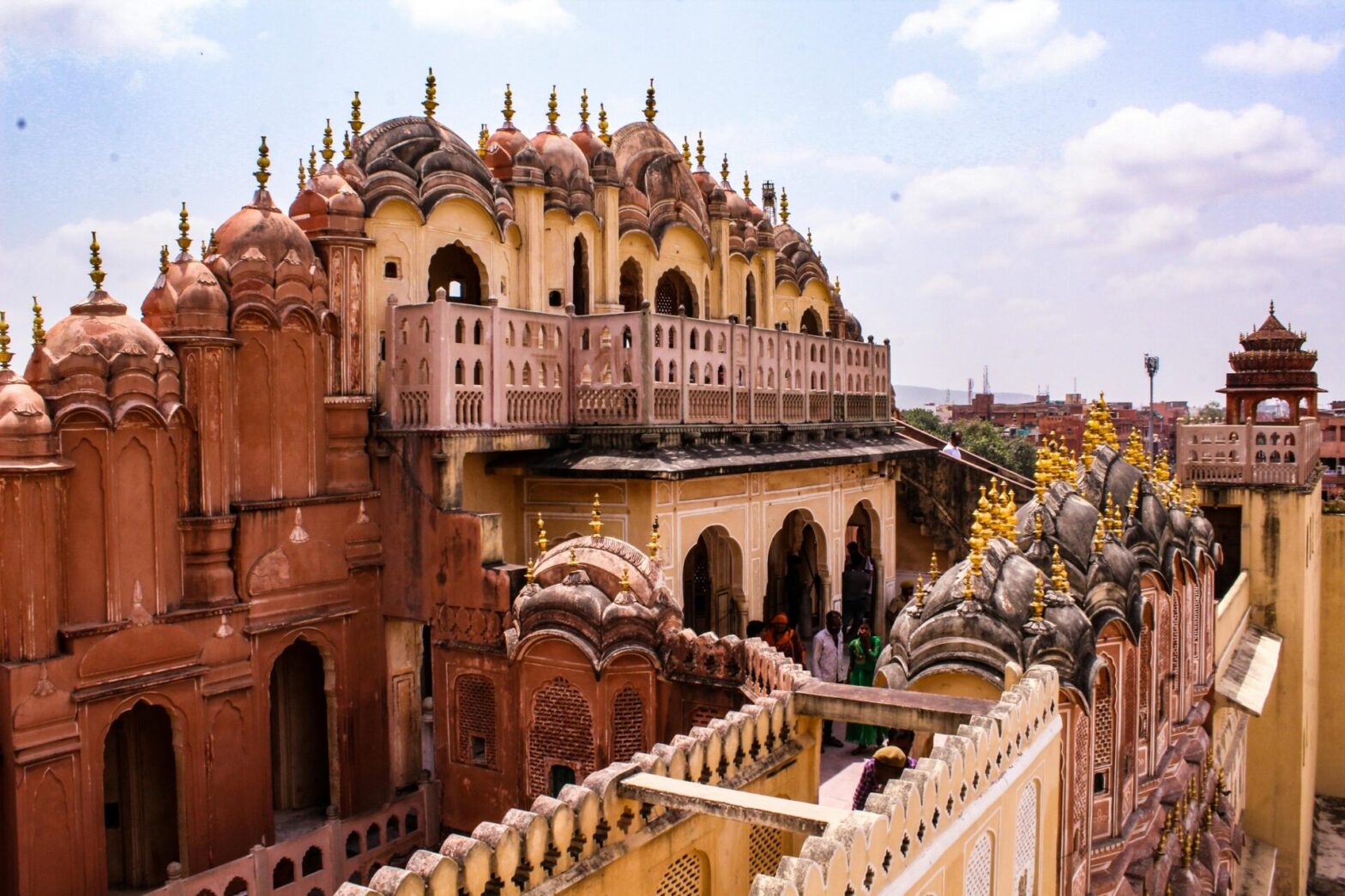
In India, royal banquets often feature an array of dishes, with influences from both the Mughal and Rajput royal kitchens. A traditional banquet might include biryanis (fragrant rice dishes with meats and aromatic spices), kebabs, and dal (lentils cooked with spices). An exquisite dish often seen in royal banquets is Rogan Josh, a slow-cooked lamb curry seasoned with Kashmiri spices. These dishes are symbolic of India’s vast regional diversity, with different regions contributing their distinct flavors to the royal banquet. Another iconic dish that may appear at an Indian banquet is Gulab Jamun, a rich, syrup-soaked dessert that represents the sweetness of the occasion. If you’re looking to enhance your home while enjoying such a feast, consider investing in house siding in New Jersey to elevate your exterior’s appeal.
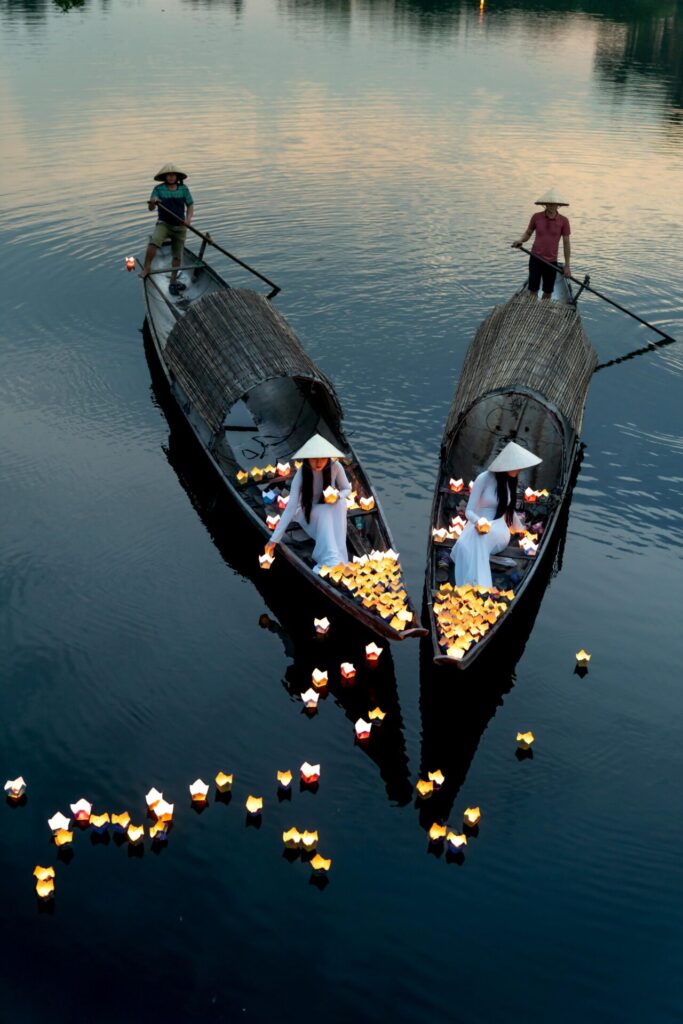
Japan’s royal banquets are a reflection of its strong emphasis on aesthetics and simplicity. The menus are often centered around kaiseki, a multi-course meal that emphasizes the natural flavors of seasonal ingredients. The dishes may include sashimi, tempura, and sukiyaki—each prepared with great care to highlight the delicate tastes and textures of fresh fish, vegetables, and meats. Much like a Read-A-Thon school fundraiser, where every effort contributes to a greater cause, each dish plays a role in creating a harmonious experience. Sake, a traditional Japanese rice wine, is often served to complement the meal, adding an additional layer of cultural significance to the event.
In each of these countries, presentation is just as important as the flavor. At royal banquets, food is not merely placed on plates—it is artfully arranged to create a visually stunning display. The use of vibrant colors, intricate garnishes, and carefully arranged food is meant to impress and engage all the senses, creating a memorable experience for the foreign dignitaries in attendance. For those exploring the city’s history and culture, a Denver city tour offers a chance to admire the artful design of local landmarks and attractions.
The Role of Alcohol in Royal Banquets
In many Asian cultures, alcohol plays an important role in royal banquets, serving both as a symbol of hospitality and as a way to foster camaraderie among guests. Just as a trophy symbolizes achievement and recognition, the sharing of drinks represents respect and connection among guests. Depending on the country, different types of alcoholic beverages may be served, with each drink carrying its own cultural significance.
In China, baijiu, a strong, distilled liquor made from sorghum, is often served at formal banquets. It is considered the national drink, and the act of toasting with baijiu is a way of showing respect and building diplomatic rapport. Similarly, in Japan, sake is the beverage of choice during royal banquets, with its consumption symbolizing good fortune and harmony. The ceremonial aspect of sake drinking includes rituals such as the sake sharing ceremony, in which guests are served from a communal sake pot. These traditions highlight the importance of shared experiences and bonding over a meal, both of which are critical to the success of any diplomatic event. Those who avoid alcohol while training, but want to enhance their physical performance, should consider taking creatine monohydrate gummies, which are a great supplement to support energy levels.
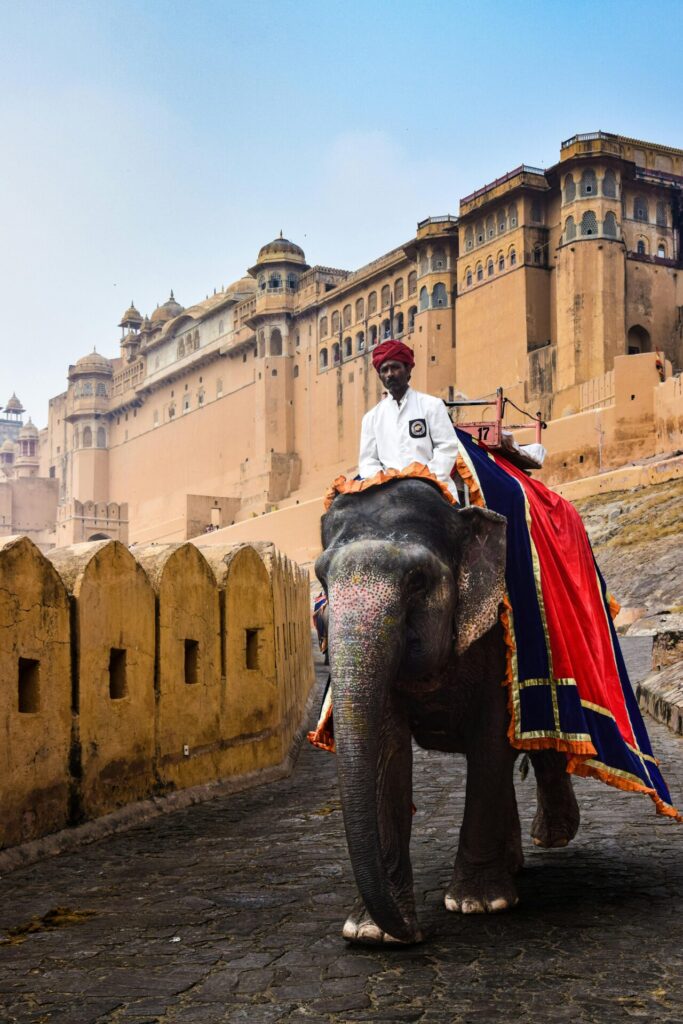
In India, alcohol is sometimes served, especially in royal settings influenced by Mughal traditions. Rich, spiced drinks such as Sherbets, which combine fruit juices, sugar, and spices, may be offered to guests as a refreshing accompaniment to the meal. Additionally, wine and rum are sometimes offered, particularly in more contemporary royal banquets.
Regardless of the type of alcohol served, the shared act of drinking together at a royal banquet is a significant ritual that fosters unity and solidarity among nations.
The Etiquette and Protocols of Royal Banquets
Attending a royal banquet in Asia comes with a set of strict protocols and etiquette, ensuring that every guest feels respected and valued. These protocols can vary from country to country but are deeply ingrained in the cultural traditions of each nation.
For example, in China, it is customary to offer a formal toast before the meal begins, and guests are expected to reciprocate. When drinking baijiu or wine, it is important to toast the host first and then the other guests. At these banquets, deference to authority is key, and younger guests are often expected to serve drinks to older or higher-ranking guests as a sign of respect. . A structured approach like this is often mirrored in commercial pest control in Reno, where precision and attention to detail are essential for effective service delivery.
In Japan, guests are expected to follow the principle of omotenashi, which is the Japanese concept of selfless hospitality. This means that the guest should feel welcomed and comfortable at all times, with the host anticipating their every need. It is customary to wait for the host to begin the meal and to show appreciation for each dish served by offering compliments. Similarly, finding top-notch HVAC repair in Charlotte ensures your comfort at home, with experts anticipating and addressing your heating and cooling needs efficiently.
In India, while royal banquets tend to be more informal in comparison to those in China or Japan, there are still certain expectations. For instance, guests should never leave the table without properly excusing themselves, and it is important to eat with one’s right hand as the left hand is considered impolite for eating in Indian tradition. Similar care and attention to detail go into the selection of wood doors that complement the setting, providing a warm, welcoming atmosphere for guests.
These carefully crafted protocols ensure that every banquet is not only an opportunity to indulge in exquisite cuisine but also a chance to demonstrate cultural respect and solidarity.
Conclusion: A Culinary Diplomacy
Royal banquets in Asia are more than just feasts—they are the embodiment of diplomacy, culture, and respect. Through carefully selected dishes, thoughtfully designed table settings, and time-honored protocols, these events showcase the host nation’s hospitality and reinforce the importance of international cooperation. The elaborate dishes served at these banquets are not just meals; they are reflections of centuries of culinary history and a way of communicating the host country’s heritage and pride. In the US, unexpected incidents, such as leaks in event venues, may require prompt water damage cleanup in Charlotte to maintain the integrity of such grand occasions.
For foreign dignitaries, these royal banquets offer a chance to experience a country’s culture in the most intimate way possible: through its food. The menu, the presentation, the rituals surrounding the meal—every element is designed to leave a lasting impression and forge stronger relationships. As the world becomes more interconnected, these royal banquets continue to serve as vital tools for diplomacy, fostering goodwill between nations and encouraging a deeper understanding of cultural traditions through the universal language of food.