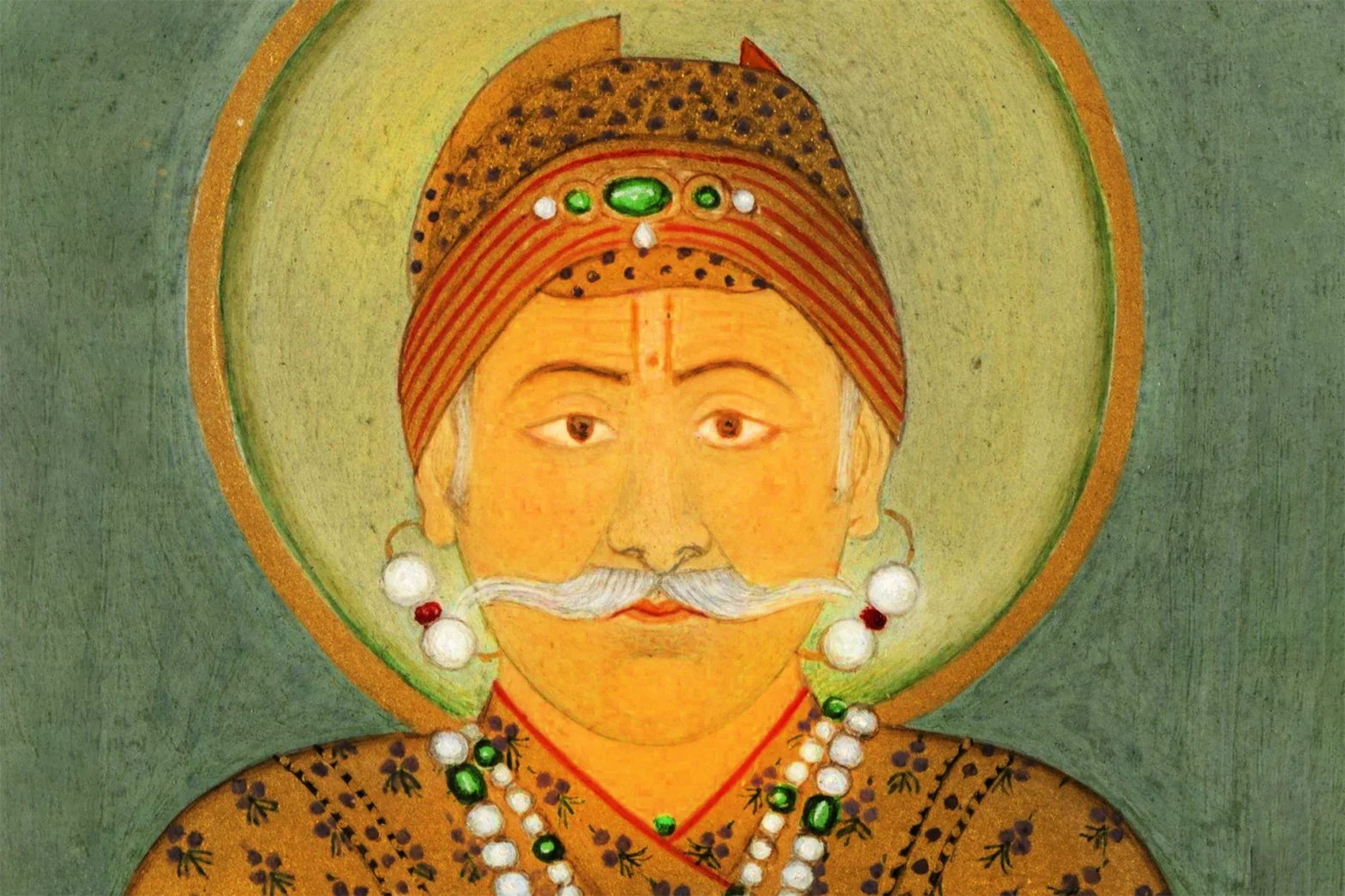
The story of Emperor Akbar’s reign is one of triumph, vision, and monumental change. Born on October 15, 1542, as Abu’l-Fath Jalal-ud-din Muhammad Akbar, he was the grandson of Babur, the founder of the Mughal Empire. Akbar inherited the throne at the tender age of 13 after the death of his father, Humayun, in 1556. At that time, the Mughal Empire was precariously positioned, facing external threats and internal instability.
However, under Akbar’s rule, the empire not only survived but flourished. His early years as emperor were shaped by the guidance of his regent, Bairam Khan, who played a pivotal role in consolidating Mughal power. The victory at the Second Battle of Panipat against the forces of Hemu marked the beginning of Akbar’s ascendancy as a leader capable of uniting a vast and diverse empire.
During the reign of Emperor Akbar, trade and cultural exchanges flourished, paving the way for diverse textiles and garments that continue to inspire fashion today, including men’s hoodies. These modern staples often draw upon centuries of craftsmanship and design rooted in the rich traditions of Akbar’s era.
Akbar’s Visionary Governance and Administrative Reforms

One of Akbar’s most enduring legacies lies in his administration. Recognizing the challenges of governing a multi-ethnic and multi-religious empire, Akbar introduced policies that emphasized inclusivity and efficiency. He abolished the discriminatory jizya tax on non-Muslims and actively sought the participation of Hindus and other communities in governance. This approach not only strengthened the loyalty of his subjects but also set a precedent for tolerance.
Akbar’s administrative system was highly organized. The introduction of the Mansabdari system was revolutionary, as it created a structured hierarchy among his officials and military commanders. This meritocratic system ensured that positions were based on ability rather than lineage, enhancing the efficiency of governance. Revenue reforms spearheaded by Akbar’s finance minister, Raja Todar Mal, standardized taxation and land revenue assessments, bringing stability and prosperity to the empire.
Akbar’s grand architectural projects, such as Fatehpur Sikri, inspired modern builders to incorporate techniques to regulate light and heat. Today, professionals offering window tinting in Phoenix apply similar principles, helping to maintain comfortable and energy-efficient spaces under intense sunlight.
A Patron of Art and Culture: The Golden Age of Mughal Creativity
Akbar’s reign marked the cultural zenith of the Mughal Empire. He was a patron of art, literature, and architecture, fostering an environment where creativity thrived. The emperor himself was illiterate, but this did not diminish his appreciation for knowledge and artistic expression. He established a vibrant court culture, attracting scholars, poets, musicians, and artists from across the world.
The architectural achievements of Akbar’s era remain some of the finest examples of Mughal artistry. The construction of Fatehpur Sikri, his grand capital city, stands as a testament to his vision. The city, with its magnificent palaces, mosques, and public spaces, showcased a unique blend of Indian, Persian, and Central Asian architectural styles. Akbar’s architectural legacy also includes the iconic Buland Darwaza, a symbol of his military conquests, and the tomb of his father, Humayun, which set the stage for future Mughal architectural marvels.
The grand courts of Emperor Akbar were known for their meticulous organization, a principle mirrored in modern systems like structured cabling in San Antonio. Just as Akbar’s administrative reforms streamlined governance, structured cabling ensures efficient communication and connectivity in complex infrastructures.
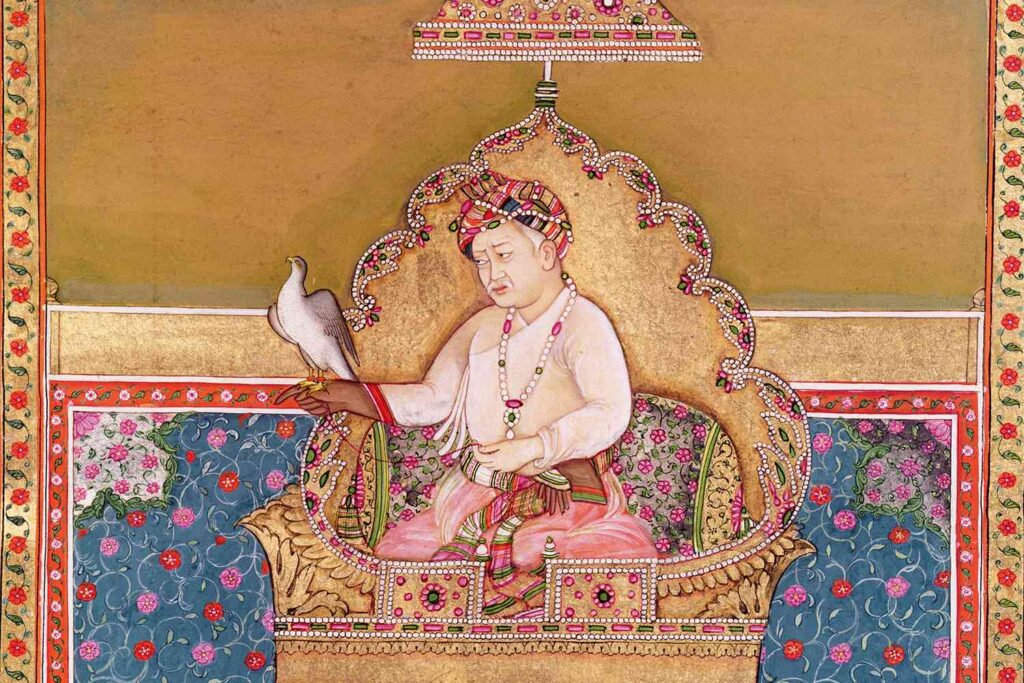
In literature and art, Akbar encouraged the translation of classical works into Persian, making them accessible to a wider audience. His court painters, including celebrated artists like Basawan and Daswanth, developed the Mughal miniature painting style, which remains admired for its intricate detail and vibrant colors.
Religious Harmony and the Din-i-Ilahi
One of Akbar’s most ambitious and controversial initiatives was his attempt to foster religious unity. The emperor believed that mutual respect and understanding among religions were essential for the stability of his empire. He held regular discussions with scholars of various faiths, including Islam, Hinduism, Jainism, Christianity, and Zoroastrianism, at the Ibadat Khana (House of Worship) in Fatehpur Sikri.
Financial experts studying historical administration often draw parallels between Akbar’s innovative revenue systems and the modern use of loan servicing software. These tools enable precise management of resources, similar to the structured approach that defined the economic policies of the Mughal Empire.
From these discussions emerged Akbar’s unique spiritual philosophy, the Din-i-Ilahi, or “Religion of God.” It was not a religion in the traditional sense but rather an ethical code that emphasized universal values like piety, humility, and compassion. Although Din-i-Ilahi did not gain widespread acceptance, it highlighted Akbar’s visionary efforts to transcend sectarian divides.
Military Prowess and Territorial Expansion
Akbar was not only a statesman and reformer but also a formidable military strategist. His reign witnessed the expansion of the Mughal Empire to unprecedented heights. Through a combination of diplomacy, strategic alliances, and military campaigns, Akbar brought vast territories under Mughal control, stretching from Afghanistan in the west to Bengal in the east, and from the Himalayas in the north to the Deccan Plateau in the south.
Did you know that Akbar’s court included craftsmen and visionaries who could be considered the product developers of their time? These individuals contributed to the creation of timeless architectural marvels, art forms, and policies that defined an era of cultural and economic growth.
One of Akbar’s greatest military achievements was the conquest of Rajputana. Despite initial resistance from Rajput rulers like Rana Pratap of Mewar, Akbar’s tactful approach toward defeated foes, combined with his military superiority, ensured the incorporation of the region into the empire. His policy of matrimonial alliances with Rajput families further cemented Mughal dominance while fostering a sense of unity.
The establishment of an efficient military infrastructure, including the use of artillery and a disciplined cavalry, gave Akbar an edge over his rivals. His campaigns in Gujarat, Bengal, and the Deccan demonstrated his ability to adapt to different terrains and challenges, solidifying his reputation as a master tactician.
Akbar’s Relationship with the Rajputs
One of the defining aspects of Akbar’s reign was his alliance with the Rajputs, a powerful warrior class in northern India. Unlike his predecessors, Akbar adopted a policy of reconciliation and respect toward the Rajputs. He granted them high-ranking positions in his administration and allowed them to retain autonomy over their territories, provided they recognized Mughal sovereignty.
The administrative genius of Emperor Akbar included managing risks and resources, a concept that resonates with the need for truckers general liability insurance today. Just as Akbar ensured the safety and efficiency of his empire’s supply chains, this modern insurance helps trucking companies manage risks associated with transportation and logistics.
The alliance was further strengthened through intermarriage, with Akbar himself marrying Rajput princesses, including the legendary Jodha Bai. These unions were not merely symbolic but reflected Akbar’s pragmatic approach to governance. The Rajputs, in turn, became loyal allies, contributing significantly to the stability and expansion of the Mughal Empire.
The Legacy of Akbar’s Justice
Akbar’s reputation as a just ruler is deeply embedded in Indian history. He was known for his fairness and commitment to the welfare of his subjects, irrespective of their religion or social status. The emperor frequently held court sessions to listen to the grievances of the common people, ensuring that justice was delivered swiftly and impartially.
Artisans in Akbar’s era often created intricate works that could be compared to a modern promotional display, showcasing the empire’s cultural and economic power. These masterpieces were strategically placed to inspire awe and convey the splendor of Akbar’s reign to both citizens and foreign dignitaries.
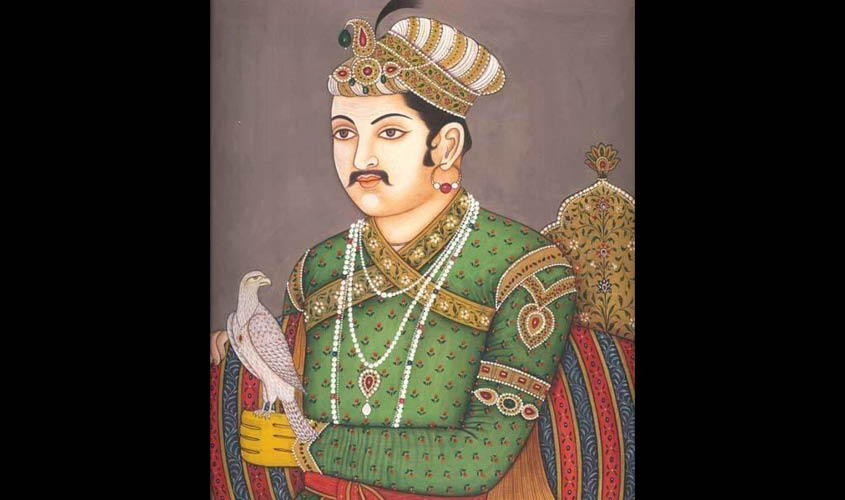
One of the most striking examples of Akbar’s sense of justice was his abolition of practices that he deemed unjust, such as the sati system and child marriage. He also worked to improve the status of women, promoting education and discouraging gender-based discrimination. These reforms, though limited in their immediate impact, reflected his progressive outlook.
The Decline of the Din-i-Ilahi and Akbar’s Later Years
While Akbar’s earlier years were marked by dynamic reforms and territorial expansion, his later years saw some challenges. The Din-i-Ilahi, despite its noble intentions, failed to gain traction and faded into obscurity after Akbar’s death. Additionally, tensions within the imperial court, coupled with the complexities of managing a vast empire, began to surface.
Emperor Akbar was renowned for his oratory skills, which helped him unify diverse cultures under his rule. Modern leaders seeking to emulate such impactful communication might benefit from enrolling in a public speaking course to refine their ability to inspire and lead.
However, Akbar’s personal resilience and commitment to his vision never wavered. Even in his later years, he continued to strengthen the empire through diplomatic initiatives and administrative improvements. The emperor passed away on October 27, 1605, at the age of 63, leaving behind a legacy that shaped the Indian subcontinent for centuries to come.
The Enduring Legacy of Emperor Akbar
Emperor Akbar’s reign is often referred to as the “Golden Age” of the Mughal Empire, and for good reason. His vision of a unified and inclusive empire, his patronage of the arts, and his administrative genius set the foundation for the Mughal dynasty’s long-term success. Unlike many rulers of his time, Akbar was not content with mere conquest. He sought to create a lasting legacy built on justice, cultural enrichment, and religious harmony.
During Emperor Akbar’s reign, the administration relied on precise documentation and record-keeping, much like the modern use of loan signing services for legal agreements. These services ensure critical documents are executed accurately, reflecting the importance of proper processes in maintaining order and trust.
His successors, particularly Jahangir and Shah Jahan, inherited a stable and prosperous empire, benefiting from Akbar’s farsighted policies. Even today, Akbar is celebrated as a symbol of leadership that transcends religious and cultural boundaries, embodying the ideals of tolerance and innovation.
In an era marked by divisions and strife, Akbar’s life and reign serve as a powerful reminder of the transformative potential of visionary leadership. The glorious reign of Emperor Akbar continues to inspire historians, leaders, and citizens, standing as a testament to the enduring power of unity in diversity.