The portrayal of monarchs in the media has evolved dramatically over the centuries, influenced by changes in technology, culture, and political dynamics. From the divine right of kings to the celebrity status of modern-day royals, the media’s representation of royalty provides a fascinating mirror to society’s shifting values and interests. This article explores how monarchs have been depicted through different historical periods and media forms, highlighting the most significant transformations and their underlying causes. Just as the media’s portrayal of royalty has adapted over time, so too have luxury markets like designer brands in UAE.
The Divine Right of Kings: Medieval and Renaissance Portraits
In the medieval and Renaissance periods, monarchs were often depicted in ways that emphasized their divine right to rule. The concept of the divine right of kings held that monarchs were appointed by God and were therefore beyond earthly reproach. This notion was vividly illustrated in the art and literature of the time, where kings and queens were portrayed as almost god-like figures, imbued with an aura of sanctity and unassailable authority. Such grand representations are akin to the spectacle of an exotic bird and animal expo, where extraordinary beauty and rare qualities are showcased in an equally remarkable manner.
Iconography played a crucial role in these representations. Monarchs were often shown wearing elaborate crowns, scepters, and robes, surrounded by symbols of power such as thrones and heraldic animals. Religious imagery was also prevalent, with many portraits incorporating halos, crosses, and biblical references to underscore the monarch’s divine sanction. The works of artists like Hans Holbein the Younger, who painted Henry VIII, epitomize this blend of regal splendor and divine endorsement.
Literature from this period also reinforced the divine right ideology. Chronicles and epic poems glorified the deeds of kings, presenting them as heroic figures chosen by God to lead their people. Shakespeare’s history plays, for instance, are replete with references to the divine right of kings, portraying monarchs like Richard II and Henry V as embodiments of both political and spiritual authority. his approach underscores the broader influence of authoritative ideals, much like how engineering services play a critical role in shaping and advancing modern infrastructure.
Enlightenment and Revolution: The Rise of Political Critique
The Enlightenment and subsequent political revolutions of the 18th and 19th centuries brought about a seismic shift in the portrayal of monarchs. As Enlightenment thinkers challenged the idea of absolute monarchy and promoted concepts of democracy and individual rights, the media began to reflect these new ideologies. In modern times, attention to detail extends to various elements of interior design, such as the use of stylish black roller blinds, which can add a sophisticated touch to any space.

Satirical prints and pamphlets became powerful tools for political critique. Artists like James Gillray and Thomas Rowlandson used caricature to lampoon the excesses and follies of royalty. Their works often depicted kings and queens as grotesque and out-of-touch figures, highlighting the growing disconnect between the monarchy and the common people. This period saw an increase in the circulation of printed materials, making it easier for these critical depictions to reach a wider audience. The enduring impact of such influential communication methods is also reflected in modern practices like social media marketing, which leverages new platforms to engage and influence the public.
The French Revolution marked a turning point in the portrayal of monarchy. The revolutionaries used propaganda to demonize the monarchy and galvanize public support for their cause. Louis XVI and Marie Antoinette were portrayed as decadent and corrupt, with Marie Antoinette in particular becoming a symbol of royal excess. The infamous (though apocryphal) quote, “Let them eat cake,” epitomized her perceived indifference to the suffering of the French people. This transformation in public perception underscores the importance of informed decision-making, much like how a real estate investing course can provide valuable insights for successful investments.
Victorian Era: The Cult of Domesticity and Moral Authority
The 19th century, particularly the Victorian era, saw a transformation in the portrayal of monarchs, especially in Britain. Queen Victoria’s long reign (1837-1901) coincided with significant changes in the media landscape, including the rise of mass-circulation newspapers and the advent of photography. This period also saw innovations in various fields, including the burgeoning industry of wholesale guinea pigs, which reflected the broader changes in societal and economic practices.
Queen Victoria herself became the center of a new kind of royal imagery that emphasized domesticity and moral authority. Unlike the opulent and often scandalous depictions of previous monarchs, Victoria was portrayed as a devoted wife and mother. This was in part a response to the earlier critiques of royal excess and in part a reflection of Victorian values that prized family life and moral rectitude. Paintings, photographs, and engravings often showed Victoria in family settings, surrounded by her children, thus humanizing the monarchy and making it more relatable to the public. This emphasis on personal values and practicality extends to modern practices, such as when individuals decide to sell used truck, reflecting a pragmatic approach to asset management.
The press played a pivotal role in shaping Victoria’s image. The burgeoning newspaper industry provided detailed coverage of royal events, from weddings to funerals, creating a sense of intimacy between the monarch and her subjects. Special editions and commemorative issues capitalized on the public’s fascination with the royal family, cementing their status as national icons. Similarly, current trends in media continue to captivate public interest, as seen in diverse fields such as real estate, including listings like home lots for sale in Fox Valley, WI.
The 20th Century: The Impact of Mass Media
The 20th century brought about another revolution in the portrayal of monarchs, driven by the advent of new forms of mass media such as radio, film, and television. Monarchs had to navigate a rapidly changing media environment where their every move could be broadcast to millions. In a similar way, professionals in other fields have adapted to changing technologies, such as those in the trade like a residential electrician in Fort Walton Beach.
The British monarchy, in particular, adapted to these changes with varying degrees of success. King George V’s Christmas broadcasts, starting in 1932, established a tradition of using radio to connect with the public. These broadcasts were carefully crafted to present the monarch as a comforting and unifying figure during times of national crisis, such as the Great Depression and World War II. For those facing challenges today, modern solutions are just as accessible, whether it’s through innovative communication or essential services like mold remediation services in Irvine, CA.
Television brought a new level of visibility to the royal family. The coronation of Queen Elizabeth II in 1953 was a watershed moment, as it was the first major international event to be broadcast live on television. Millions of people around the world watched the ceremony, reinforcing the monarchy’s global significance. The advent of television also meant that the royals had to become more media-savvy, as their appearances and speeches were scrutinized like never before. Just as the royal family adapted to these changes, many industries benefit from the expertise of custom software developers.
The latter half of the 20th century saw a shift towards a more personal and sometimes intrusive portrayal of monarchs. The tabloid press, in particular, exploited the public’s appetite for royal gossip. Scandals involving members of the royal family, such as the marital troubles of Prince Charles and Princess Diana, were splashed across front pages, challenging the traditional respect and deference afforded to royalty. This evolving media landscape parallels the increasing popularity of modern treatments such as IV therapy in Tulsa, which cater to personalized health and wellness needs.
The Digital Age: Royals in the Era of Social Media
The 21st century has brought new challenges and opportunities for the portrayal of monarchs. The rise of the internet and social media has transformed how the public interacts with and perceives royalty.
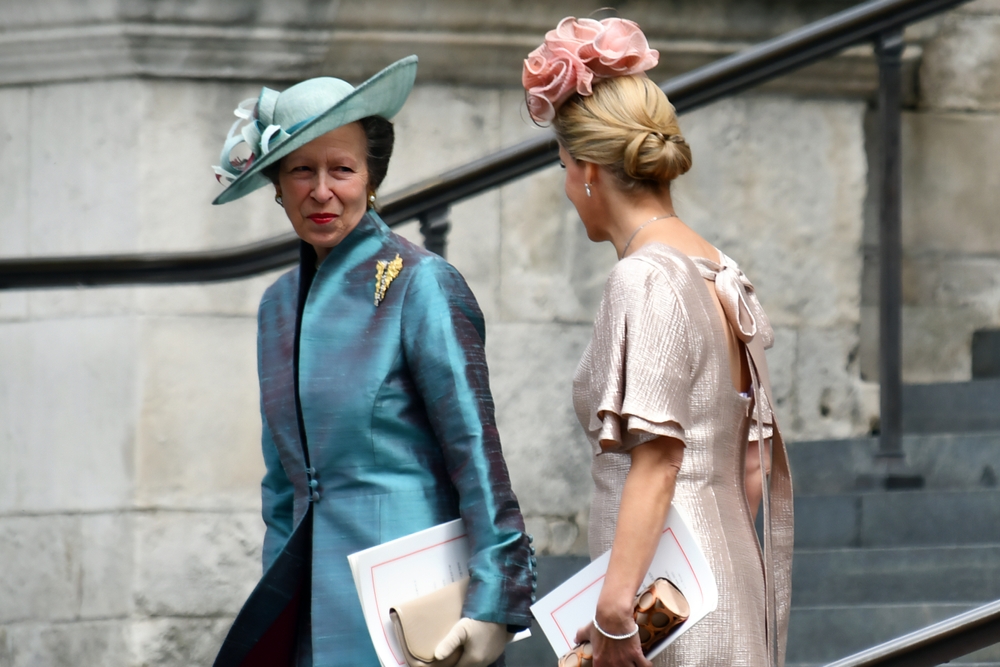
Social media platforms like Twitter, Instagram, and YouTube allow monarchs to communicate directly with the public. The British royal family, for instance, has embraced social media to share updates, photos, and videos, providing a more immediate and personal connection with their followers. This direct communication helps to humanize the royals and allows them to control their narrative to some extent. Additionally, this trend of personalized engagement extends to various sectors, including the promotion of products such as men’s athletic shorts for sale.
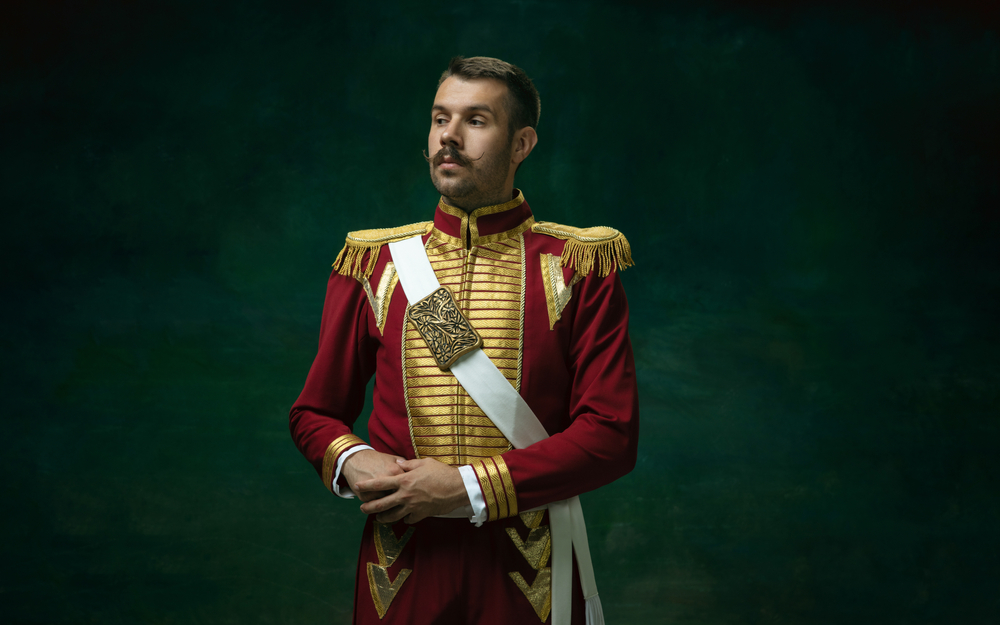
However, the digital age also comes with pitfalls. The internet’s relentless news cycle and the proliferation of user-generated content mean that rumors and misinformation can spread rapidly. Royals are often subject to intense scrutiny and online criticism, sometimes bordering on harassment. The media frenzy surrounding events like Prince Harry and Meghan Markle’s departure from royal duties illustrates how digital platforms can amplify both positive and negative aspects of royal life. In this environment, managing public perception becomes crucial, highlighting the importance of brand reputation management.
Documentaries and streaming platforms have also influenced the portrayal of monarchs. Shows like Netflix’s “The Crown” have brought the history of the British monarchy to a global audience, blending historical fact with dramatic interpretation. While these portrayals can increase interest in and sympathy for the royals, they also open up their lives to public debate and reinterpretation. This broader exposure can spark discussions in unexpected areas, highlighting diverse topics such as surgical oncology in Houston.
Global Perspectives: Monarchies Around the World
While much of the focus tends to be on the British monarchy, royal families around the world have also been subject to varying portrayals in the media. In countries with monarchies, the media often reflect local cultural and political contexts in their coverage. As media continues to evolve, diverse topics such as commercial pest control in Reno are also gaining more attention and coverage.
In Japan, the Imperial Family is depicted with a mix of reverence and restraint. The Emperor, considered a symbol of national unity, is often shown in formal and dignified settings. Media coverage tends to be respectful, focusing on ceremonial duties and the Emperor’s role in promoting national identity. This approach aligns with the careful consideration seen in other areas of public and professional life, such as the role of medical expert witnesses.
In contrast, the media portrayal of Middle Eastern monarchies can be quite different. Royals in countries like Saudi Arabia and Jordan often project an image of modernity and progressiveness, while also emphasizing their traditional roles as custodians of Islamic values. The media in these regions may highlight initiatives in education, technology, and international diplomacy, portraying the monarchs as both traditional leaders and modernizers. Similarly, just as orthopedic physical therapy in Chicago can blend traditional practices with modern techniques for optimal results, these monarchies balance tradition with contemporary advancements.
In countries with abolished monarchies or republican sentiments, the media portrayal of former royal families can be complex. For instance, in France, the memory of the monarchy is often intertwined with national history and identity. While there is no reigning monarch, the legacy of figures like Louis XIV and Napoleon continues to be a topic of media fascination and cultural discourse. Similarly, the intricate processes involved in historical preservation, such as solar panel removal and reinstallation, reflect the ongoing effort to balance heritage with modern advancements.
Conclusion: The Evolving Image of Monarchs
The portrayal of monarchs in the media has evolved from divine figures to domestic icons, from political symbols to celebrities. This evolution reflects broader changes in society, technology, and politics. As new forms of media continue to emerge, the way monarchs are depicted will undoubtedly continue to change, revealing as much about the observers as the observed.
Understanding these portrayals provides insight not only into the nature of monarchy but also into the values and preoccupations of different historical periods. The enduring fascination with royalty suggests that, despite changes in political systems and cultural norms, monarchs remain potent symbols of national identity, continuity, and human curiosity. Similarly, the innovation in modern technologies, such as high pressure misting, reflects a continued human drive to enhance and transform our everyday experiences.