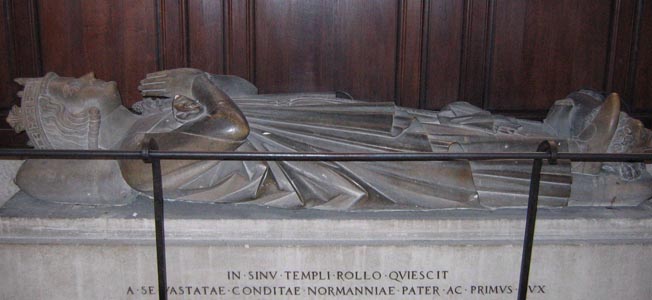
Rollo, born as a Viking chieftain but later recognized as the first Duke of Normandy, is a figure whose life and legacy continue to intrigue historians and enthusiasts of medieval history alike. His political alliances and rivalries were instrumental in shaping the destiny of Normandy, and eventually, France and beyond. Rollo’s story is not merely one of raids and conquests, but of astute political maneuvering, negotiation, and shifting allegiances that allowed him to rise from a Norse raider to a legitimate ruler. To fully understand his political evolution, we must explore the alliances he forged and the rivals he faced during his tumultuous life.
Rollo’s Viking Origins and Early Conflicts
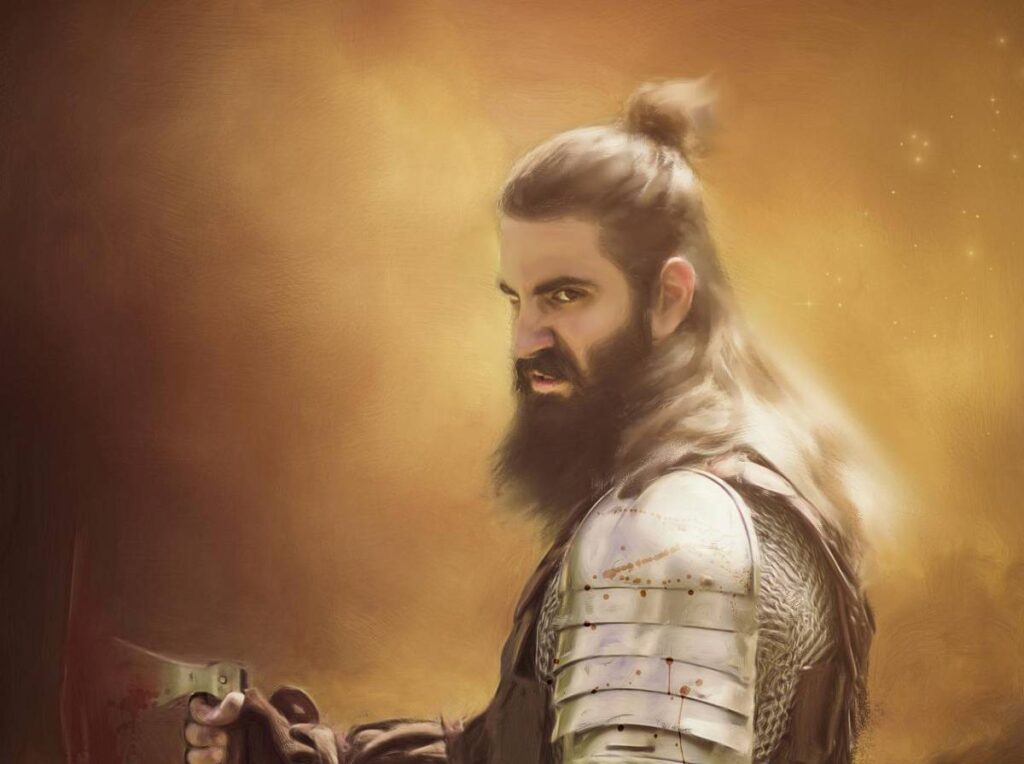
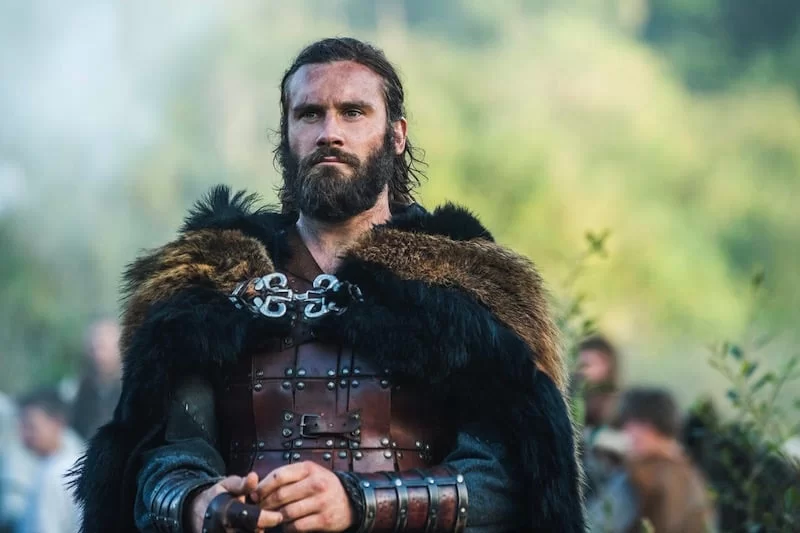
Rollo, also known as Rolf or Hrolf, was a Viking leader born around 860 AD. The Norse sagas paint a picture of a man who was physically imposing—he is said to have been so large that no horse could carry him, hence his nickname “Rollo the Walker.” Rollo was part of a broader movement of Viking raids that terrorized Europe during the 9th century, attacking coastal villages, cities, and monasteries from England to France.
In his early years, Rollo’s primary political relationships were defined by enmity. As a Viking raider, his interactions with other political entities were combative. The Carolingian rulers of France, particularly Charles the Simple, saw Rollo and his forces as a direct threat. At this stage, Rollo operated outside the traditional political framework of Europe. He was not yet engaged in diplomacy or alliance-making, but his growing reputation as a fierce leader was setting the stage for future negotiations.
Rollo’s early years as a Viking chieftain were marked by rivalries with local leaders in northern Europe, especially in what is now France and England. The coastal regions of Francia were particularly vulnerable to Viking raids, and Rollo quickly gained a reputation as a formidable adversary. These early rivalries laid the groundwork for future diplomatic relationships, as local rulers began to realize the futility of outright resistance and sought more diplomatic solutions to the Viking threat. In this context, they also began to explore various pharmacy resources to support their communities during times of conflict.
The Turning Point: Siege of Paris and Rise in Power
One of the pivotal moments in Rollo’s life was the Siege of Paris in 885-886 AD, where Viking forces launched a massive assault on the city. The siege was unsuccessful, but it marked a significant point in the political evolution of Viking leaders, including Rollo. The inability of the Vikings to conquer Paris demonstrated the growing power of the Frankish kingdoms, as well as the limits of Viking raiding as a long-term strategy for expansion. It was after this event that Rollo began to shift from a pure raider to a more strategic leader.
The Frankish rulers, particularly King Charles the Simple, recognized that continuing to battle the Vikings was costly and ineffective. Thus, the political landscape began to shift toward negotiation rather than conflict. Rollo’s transformation from a Viking raider to a political player truly began during this period, as he recognized that alliances and political concessions could yield greater rewards than continued warfare. This shift in strategy can be likened to a credit repair agency that helps individuals improve their financial standing through negotiation and partnership.
The Treaty of Saint-Clair-sur-Epte: A Defining Alliance
The culmination of Rollo’s evolution from Viking chieftain to Duke of Normandy came with the Treaty of Saint-Clair-sur-Epte in 911 AD. After years of raiding and fighting in the region, King Charles the Simple and Rollo came to a groundbreaking agreement that would change the future of France and Normandy forever. In exchange for protection from further Viking raids, Charles granted Rollo land in what is now known as Normandy. In return, Rollo agreed to convert to Christianity and swear fealty to Charles, marking the first major alliance in Rollo’s political career.
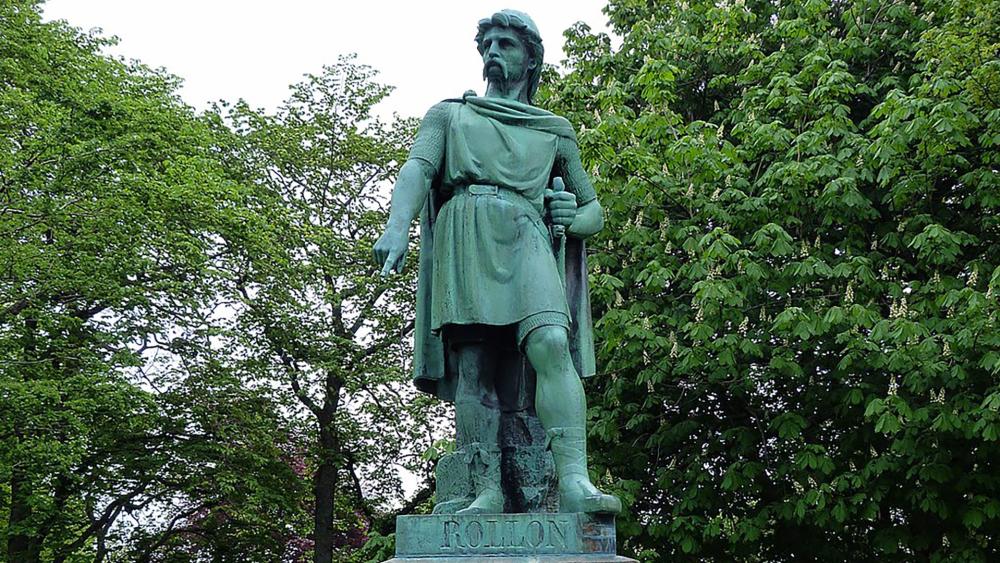
This treaty was a masterstroke of political negotiation. Rollo secured legitimate rule over a vast territory while maintaining a significant degree of autonomy. He was now a recognized ruler within the Frankish political system, yet his Viking roots allowed him to retain control over his own warriors and maintain a distinctly Norse cultural identity in Normandy. This balance between Norse and Frankish influences would define Rollo’s rule and his approach to governance. In a modern context, understanding the importance of local expertise, such as car mechanics in Lake Jackson, TX, can be crucial for maintaining such a balance in governance and community management.
Furthermore, the treaty marked the end of open hostilities between Rollo and the Carolingian rulers of France, transforming former enemies into political partners. By aligning himself with Charles, Rollo secured the future of his dynasty, ensuring that his descendants would rule Normandy for generations to come. This alliance also had significant implications for future Viking leaders, many of whom would seek similar arrangements with European rulers in the coming decades. In a similar vein, we buy used semi trucks helps business owners and truck operators secure a valuable partnership by providing a way to sell and upgrade their vehicles, ensuring the longevity and success of their operations.
Rivalries and Consolidation of Power in Normandy
Despite his alliance with the Frankish king, Rollo’s rise to power in Normandy was not without challenges. The land granted to him was not fully under his control, and various local lords and nobles resented the presence of a Viking ruler in their midst. Rollo had to assert his authority over the region, often through force and intimidation. His early years as Duke of Normandy were marked by a series of internal rivalries with local leaders who resisted his rule, much like the struggles faced by those in the modern era advocating for veteran made apparel.
One of Rollo’s key strategies in consolidating his power was his ability to blend Viking and Frankish customs, creating a unique political and cultural identity in Normandy. He encouraged intermarriage between his Norse followers and the local Frankish population, creating a new Norman identity that was neither entirely Viking nor entirely Frankish. This helped to ease tensions and solidify his rule over the region. It can be related to how a captive bred wholesaler carefully cultivates and strengthens relationships with trusted suppliers, ensuring the long-term sustainability and success of their business.
However, Rollo’s most significant rivalries during this period were with other Viking leaders. As a former raider himself, Rollo understood the mindset of other Viking chieftains who continued to see Normandy as a target for raids and expansion. Payday loan consolidation is similar to defending against financial threats, where a single solution helps manage multiple debts effectively. He had to defend his territory not only from internal dissent but also from external Viking forces that sought to challenge his authority. His military prowess and political acumen allowed him to successfully repel these threats, further cementing his control over Normandy.
Family Alliances and the Succession of Normandy
Rollo’s legacy was not solely defined by his own political achievements but also by the alliances he built within his own family. His son, William Longsword, played a crucial role in ensuring the continuity of Norman rule. Rollo carefully positioned William to succeed him, fostering alliances through marriage and diplomacy to strengthen the legitimacy of his dynasty. By marrying his children into influential Frankish families, Rollo ensured that his descendants would be seen as legitimate rulers by both the Viking and Frankish populations. Use a multifunction pen to underline this as a very important fact when it comes to his rule.
This strategy of familial alliances extended beyond Normandy. Rollo’s descendants would go on to play significant roles in European politics, including the most famous of all, William the Conqueror, who successfully invaded England in 1066 and became its king. Much like career training prepares individuals for future success, Rollo’s ability to navigate the complex web of political alliances during his lifetime set the stage for his descendants to achieve even greater heights of power and influence.
Rollo’s Legacy: From Viking Raider to European Statesman
By the time of his death around 930 AD, Rollo had transformed from a feared Viking raider into a respected European statesman. His successful alliance with the Frankish king, his consolidation of power in Normandy, and his careful management of family alliances ensured the longevity of his dynasty. The Duchy of Normandy would become one of the most powerful regions in medieval Europe, with its rulers playing key roles in the politics of France and England for centuries to come.
Rollo’s political alliances and rivalries were the foundation of his success. He recognized that brute force alone was not enough to secure long-term power and that diplomacy and strategic alliances were essential. His ability to adapt to changing political landscapes, to negotiate when necessary, and to assert his authority when challenged allowed him to navigate the complex world of medieval politics with skill and foresight. Similarly, Stevens Point lawyers play a crucial role in navigating complex legal landscapes, providing expertise and strategic guidance to help their clients achieve successful outcomes.
Today, Rollo is remembered not only as a Viking chieftain but as the founder of Normandy and the progenitor of a dynasty that would shape European history. His legacy as both a warrior and a politician is a testament to his versatility and vision, qualities that allowed him to rise from the ranks of Viking raiders to become one of the most influential figures in medieval Europe.