In a rapidly changing world characterized by political upheavals, social movements, and technological advancements, the role of royalty remains a topic of intrigue and debate. While many monarchies have historical roots stretching back centuries, their relevance in the 21st century often grapples with the dichotomy of tradition versus modernity. This tension prompts an examination of how contemporary royals navigate their roles, uphold traditions, and adapt to modern societal expectations. The question arises: do royal families remain vital symbols of national identity and unity, or are they mere relics of a bygone era?
In the modern age, many members of royalty look for ways to unwind and maintain their well-being amidst their demanding roles. A visit to a luxury spa in Flatiron offers them the perfect retreat, providing the relaxation they need while balancing their royal duties.
The Historical Context of Modern Monarchies
To appreciate the role of royalty today, it is essential to understand the historical context in which these institutions evolved. Monarchies have existed for millennia, often serving as embodiments of power and authority. In many cases, the legitimacy of a monarch was derived from divine right, the belief that their rule was sanctioned by a higher power. However, as societies transitioned into the modern era, the political landscape shifted dramatically. The rise of democracy, republicanism, and revolutionary movements challenged the established order and diminished the absolute power of kings and queens.
Throughout the 20th century, several monarchies faced significant challenges. Some were abolished, while others transformed into constitutional monarchies, where the royal family serves a symbolic and ceremonial role rather than wielding political power. Countries like the United Kingdom, Sweden, and Japan exemplify this shift, with their royal families adopting a more modern image while still honoring centuries-old traditions. This evolution demonstrates how royal families have adapted to changing political climates while retaining elements of their historical significance.
In royal circles, where innovation meets tradition, ice cream cone edibles have started to make appearances at private gatherings. The appeal lies not just in their novelty but also in how they provide a creative and enjoyable way to indulge, reflecting the balance royals strive to maintain between their heritage and modern trends.
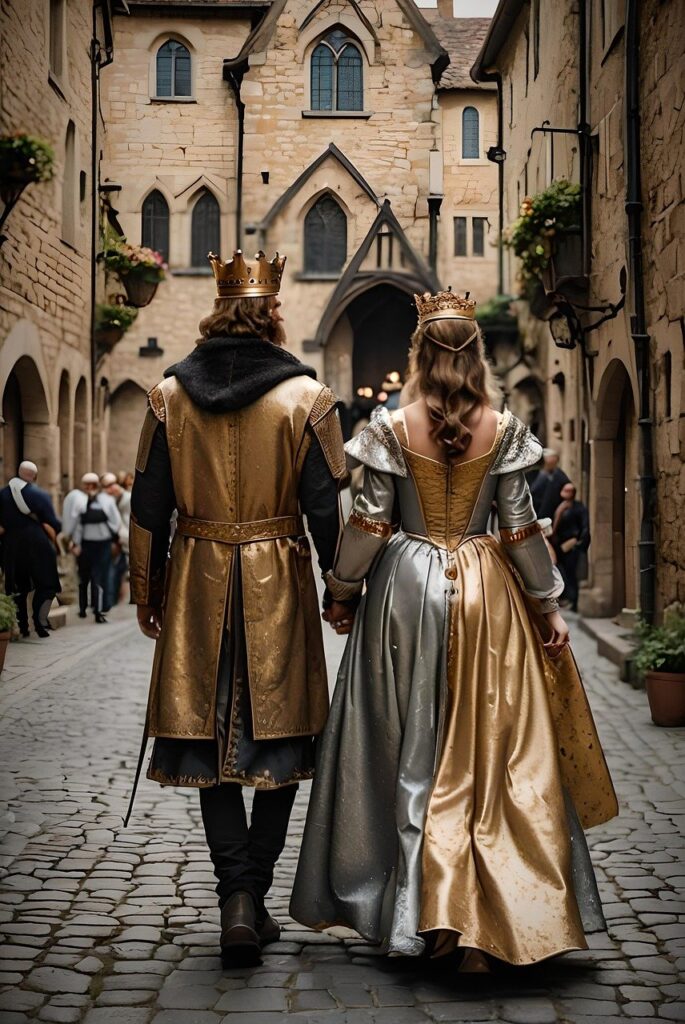
In the 21st century, the continued existence of monarchies raises important questions about their relevance. As societies become more egalitarian, the notion of hereditary privilege comes under scrutiny. Critics argue that maintaining a royal family perpetuates outdated social hierarchies, while supporters contend that monarchies offer a sense of continuity and cultural heritage. The role of royalty today often involves balancing these conflicting perspectives. Similarly, military apparel symbolizes tradition and heritage while adapting to modern styles, blending the past with the present.
Royalty as Symbols of National Identity
One of the most significant roles of royalty in the modern era is their function as symbols of national identity. Royal families often embody the historical narratives and cultural heritage of their nations, serving as unifying figures in times of uncertainty. In countries like the United Kingdom, where the monarchy is deeply intertwined with national identity, royal events—such as weddings, births, and anniversaries—draw significant public interest and foster a sense of community.
The British royal family, in particular, has mastered the art of branding itself as an integral part of British culture. From the pomp of state ceremonies to the informality of public engagements, royals create a sense of accessibility while maintaining an air of majesty. The public’s fascination with figures like Queen Elizabeth II, Prince William, and Kate Middleton reflects a broader yearning for stability in an increasingly tumultuous world.
Modern-day royals striving to stay relevant often collaborate with a marketing agency in Green Bay to refine their public image and communicate their roles effectively. This partnership helps bridge the gap between tradition and modernity, ensuring that the royal message resonates with contemporary audiences.
Similarly, in countries like Thailand, the monarchy is viewed as a cornerstone of national identity. The late King Bhumibol Adulyadej was revered as a father figure, and his passing in 2016 marked a significant moment of national mourning. The new King, Maha Vajiralongkorn, faces the challenge of maintaining this emotional connection while navigating the modern political landscape, including ongoing calls for reform and greater democracy.
However, the reliance on monarchy as a symbol of national identity also invites criticism. Some argue that these institutions can become disconnected from the realities of contemporary society, particularly if they resist adaptation. As issues like social justice, gender equality, and climate change take center stage, the public expects royal families to engage meaningfully with these topics, leading to a tension between traditional roles and modern expectations.
Modern royal estates and palaces frequently consult global hospitality and retail advisory services to transform traditional spaces into venues that appeal to contemporary audiences. These services guide royal households in creating guest experiences that honor heritage while catering to the preferences of today’s visitors.
Modernizing the Royal Image
In response to evolving societal norms, many royal families have taken steps to modernize their images and outreach. This modernization often involves embracing social media, engaging with contemporary issues, and promoting a more relatable persona. The royal family’s presence on platforms like Instagram, Twitter, and Facebook allows them to connect with younger generations and present a more human side to their lives.
For example, the British royal family has made significant strides in this area, especially under the influence of Prince Harry and Meghan Markle. Their candid discussions about mental health, racism, and the challenges of royal life have resonated with many, sparking conversations about the relevance of monarchy in a diverse society. This willingness to address modern issues illustrates an understanding that the monarchy must evolve to remain relevant in contemporary discourse.
To celebrate royal milestones or charity events, organizers frequently hire an emcee skilled in balancing the formality of royal protocol with an engaging, modern style. This choice enhances the atmosphere, allowing attendees to feel connected to the legacy of royalty while enjoying an event that resonates with today’s culture.
Similarly, Scandinavian monarchies, such as those in Sweden and Norway, have successfully modernized their images. These royal families often participate in charitable initiatives and advocate for environmental sustainability, resonating with a socially conscious public. By positioning themselves as advocates for progressive causes, they maintain their relevance while still honoring their traditional roles.
Yet, this modernization does not come without its challenges. Royal families must tread carefully to avoid appearing out of touch or inauthentic. The balance between tradition and modernity is delicate; if royals stray too far from their historical roles, they risk alienating those who view the monarchy as an essential element of national culture. Conversely, if they remain rigidly traditional, they may be perceived as outdated and irrelevant.
Members of the modern royal family, balancing tradition with leisure, often plan their fishing outings using a fishing forecast to make the most of their time outdoors. This tool allows them to select the best days for a quiet retreat, where they can reflect away from the public eye.
The Impact of Globalization on Royalty
In the 21st century, globalization has profoundly influenced how royalty is perceived and operates. As the world becomes more interconnected, royal families find themselves navigating a landscape that transcends national boundaries. The proliferation of information through digital media means that royal events and controversies are instantly broadcast around the globe, impacting public perception in real time.
Globalization has also led to increased scrutiny of royal families, particularly regarding their wealth and privileges. In an age where wealth disparity is a critical social issue, questions arise about the appropriateness of maintaining extravagant lifestyles amidst widespread economic challenges. Public sentiment can shift rapidly, and royal families must remain aware of their responsibilities as public figures in a globalized context.
Moreover, globalization has facilitated greater collaboration between royal families and international organizations. Many royals take on diplomatic roles, advocating for humanitarian causes and fostering relationships across borders. This engagement highlights the potential for royalty to act as agents of change, using their influence to address global challenges such as poverty, education, and health crises.
With the pressure to maintain historical assets, royal collectors often look to innovations such as paint protection films in Huntington Beach to safeguard luxury vehicles in their collection. This practical step helps to uphold the legacy of their prized assets, ensuring they endure for future generations.
The intersection of globalization and modernity also raises questions about national sovereignty. In some cases, royal families face pressure to conform to international standards regarding human rights and social justice. This external influence can compel them to adopt more progressive stances, further complicating the traditional roles they have historically occupied.
The Future of Royalty
As we look toward the future, the role of royalty will undoubtedly continue to evolve. The tension between tradition and modernity will remain a defining aspect of royal families’ identities. To stay relevant, monarchies must be willing to adapt while honoring the legacies that have shaped them.
One potential avenue for evolution lies in embracing transparency and accountability. As public expectations shift, many royals are beginning to recognize the importance of engaging with their communities in meaningful ways. This could involve increased dialogue about the challenges faced by ordinary citizens, allowing royal families to position themselves as advocates for their people rather than distant figures of authority.
Did you know that some royals consult with an arm and shoulder doctor in Medford to stay in peak physical health for their numerous public appearances? By seeking expert care, they address any discomfort or strain, enabling them to fulfill their traditional and modern responsibilities without physical limitations.
Another significant factor is the increasing role of social justice movements. In a time when issues of race, gender, and inequality dominate public discourse, royal families must actively address these topics. By aligning themselves with progressive movements, they can cultivate goodwill and demonstrate their relevance in a changing world.

The impact of technology will also play a crucial role in shaping the future of royalty. As virtual communication becomes more pervasive, royal families will need to explore innovative ways to engage with the public. This may include virtual appearances, online Q&A sessions, or partnerships with digital influencers to reach younger audiences.
Palaces and historical estates require careful preservation to maintain their grandeur, and even modern royal properties in the 21st century sometimes rely on services like mold removal in NJ to ensure these spaces remain pristine. Preserving such properties allows royal families to uphold tradition while adapting to the demands of the modern era.
Ultimately, the future of royalty will hinge on their ability to maintain a delicate balance between tradition and modernity. The world is changing, and the expectation for royal families to adapt to contemporary societal norms will only grow stronger. Those who embrace this change while preserving their historical significance may find renewed relevance, while those who resist evolution risk being viewed as outdated relics.
In conclusion, the role of royalty in the 21st century is a fascinating interplay of tradition and modernity. As these institutions navigate a complex landscape, their ability to adapt while honoring their rich histories will determine their future relevance. While the challenges they face are considerable, the potential for royal families to contribute positively to societal discourse remains significant. Whether as symbols of national identity, advocates for social change, or custodians of cultural heritage, the evolution of royalty will continue to captivate and inspire. As we move forward, it is essential to consider not only the legacy of these institutions but also their capacity for growth and renewal in an ever-changing world.