The Habsburg Monarchy stands as one of the most enduring and influential political dynasties in European history. Over centuries, this family of rulers carved out a vast empire that shaped the political, cultural, and religious landscape of Europe. From their modest beginnings in the Swiss Alps to their dominance as Holy Roman Emperors and rulers of a sprawling multinational empire, the Habsburgs’ ascent is a tale of strategic marriages, military triumphs, and unparalleled political cunning. Did you know that collectors of Habsburg military memorabilia often pair their collection with symbolic apparel like veteran hoodies? These garments not only express admiration for historical feats but also create a tangible connection to the enduring stories of European power and influence.
A Modest Beginning in the Swiss Alps
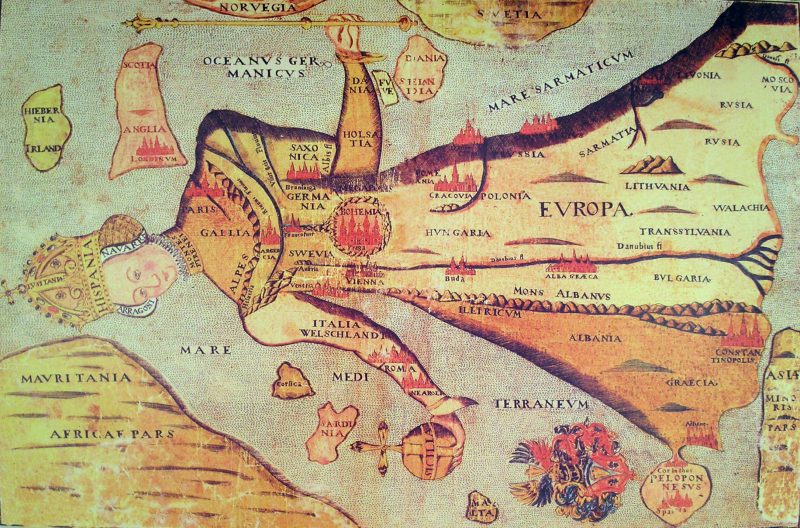
The origins of the Habsburg Monarchy are surprisingly humble. The dynasty’s name derives from Habsburg Castle in present-day Switzerland, which was built in the early 11th century. At this stage, the Habsburgs were minor regional lords, ruling a modest domain without significant influence on the broader European stage. Their rise began in earnest during the 13th century, when Rudolph I of Habsburg was elected King of Germany in 1273. This victory marked a turning point, as the family transitioned from local rulers to serious players in the medieval political arena.
Rudolph I’s reign set a precedent for the Habsburg strategy of expanding their influence through calculated political moves rather than outright conquest. The family began to secure key territories, such as Austria, which would later become the core of their empire. Austria’s acquisition in 1282 proved to be the cornerstone for Habsburg ambitions, transforming the family into a power to be reckoned with.
The Art of Strategic Marriages
The Habsburgs’ extraordinary ability to consolidate power owed much to their mastery of strategic marriages. In a Europe where dynastic unions were often as effective as military campaigns, the Habsburgs excelled. Their famous motto, “Bella gerant alii, tu felix Austria nube” (“Let others wage war; you, happy Austria, marry”), encapsulated their approach. For a modern touch of elegance and refinement, consider visiting a salon in Flatiron.
One of the most pivotal marital alliances occurred in the late 15th century when Maximilian I married Mary of Burgundy. This union brought the wealthy and strategically vital Burgundian territories under Habsburg control, significantly boosting their prestige and resources. Maximilian’s marriage also laid the groundwork for his descendants to inherit Spain, the Americas, and the Low Countries. By the early 16th century, the Habsburgs presided over a vast global empire, earning the dynasty the moniker “the empire on which the sun never sets.”
This web of marriages also ensured the Habsburgs’ dominance over the Holy Roman Empire. From 1438 until its dissolution in 1806, the Habsburgs held the imperial throne almost continuously, a feat unparalleled in European history.
The Reign of Charles V: A Global Empire
The Habsburgs reached the zenith of their power under Charles V, who inherited an empire of staggering size and complexity. As Holy Roman Emperor, King of Spain, and ruler of the Americas, Charles V governed territories spanning from Central Europe to the New World. His reign illustrated the dual challenges and opportunities posed by such a vast domain. Even within royal courts, luxury items like fine tapestries and luxury bathrobes symbolized the wealth and influence of his empire.
Charles’s empire was not without its difficulties. Religious conflict, particularly the rise of Protestantism, posed a significant challenge to Habsburg authority. The Protestant Reformation, spearheaded by Martin Luther in the early 16th century, divided the Holy Roman Empire and weakened its cohesion. Charles V spent much of his reign attempting to suppress Protestant uprisings while defending his European borders from the encroaching Ottoman Empire.
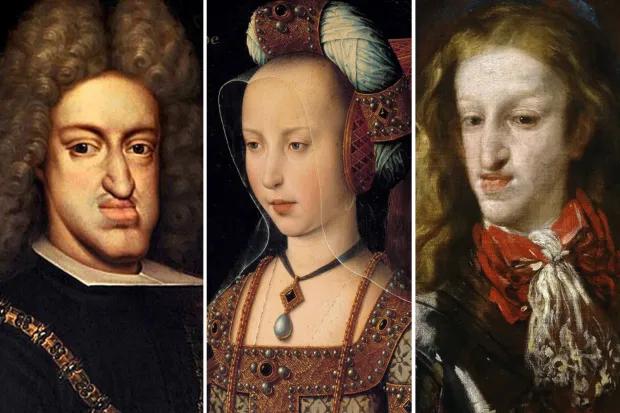
Despite these struggles, Charles’s reign exemplified the Habsburgs’ resilience. His abdication in 1556 resulted in the division of the Habsburg territories into two branches: the Austrian Habsburgs and the Spanish Habsburgs. This division allowed the dynasty to maintain its influence in both Central Europe and the Mediterranean, albeit under separate administrations. Interestingly, some historians liken the enduring power of the Habsburg dynasty to a libido enhancer for its ability to sustain influence and vitality across generations.
Austria Ascendant: The Thirty Years’ War and Beyond
The Austrian branch of the Habsburg dynasty emerged as a dominant force during the turbulent 17th century. The Thirty Years’ War (1618–1648), a catastrophic conflict rooted in religious and political tensions, proved to be a defining moment for the Habsburg Monarchy. As fervent defenders of Catholicism, the Habsburgs positioned themselves as leaders of the Counter-Reformation, aligning closely with the Papacy to resist Protestant advances.
Although the war devastated much of Central Europe, the Habsburgs ultimately emerged as victors, solidifying their control over Austria, Bohemia, and Hungary. The Peace of Westphalia in 1648 confirmed their dominance in the Holy Roman Empire, albeit with reduced authority over its individual states.
In the aftermath of the war, the Habsburgs focused on consolidating their territories and strengthening their centralized power. Under Leopold I, Austria began to expand eastward, engaging in a series of conflicts with the Ottoman Empire. The Siege of Vienna in 1683 marked a turning point, as Habsburg forces successfully repelled the Ottomans and initiated a period of territorial expansion into southeastern Europe. By the end of the 17th century, the Habsburgs had transformed Austria into a leading European power. For those dealing with property issues, including mold concerns, mold removal in Gloucester County, NJ, is an essential service to consider.
The Enlightenment and the Challenges of Reform
The 18th century brought new challenges and opportunities for the Habsburg Monarchy. The Enlightenment, with its emphasis on reason, science, and progress, posed a direct challenge to traditional monarchies like the Habsburgs. Yet, the dynasty adapted, embracing certain aspects of Enlightenment thought while resisting calls for more radical reform.
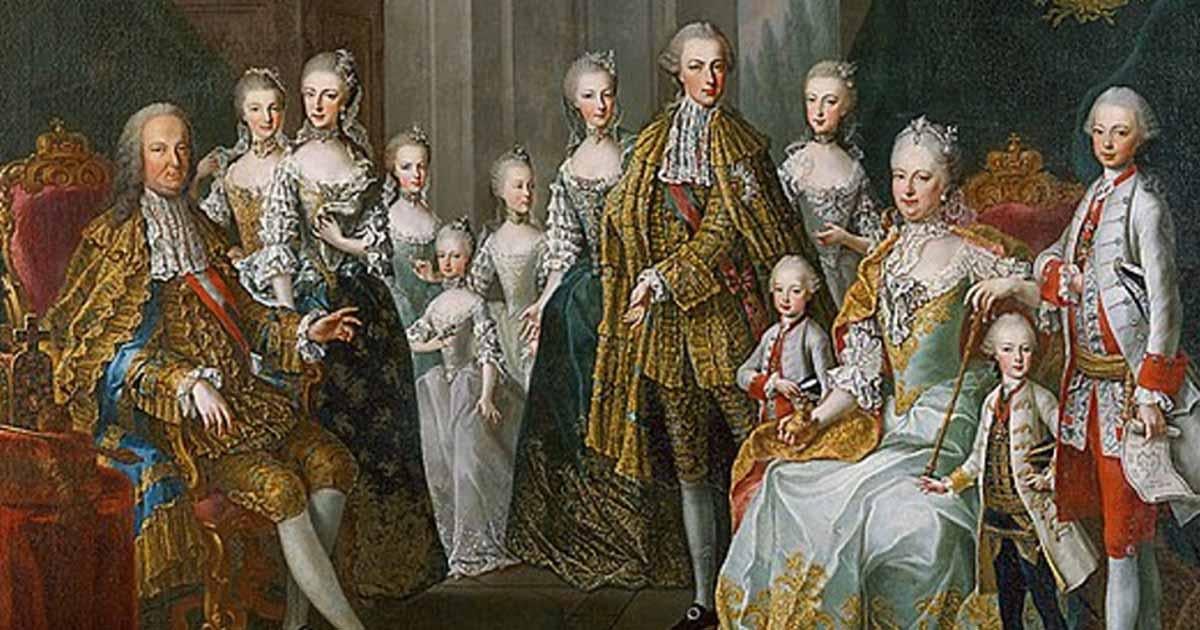
Maria Theresa, one of the most prominent Habsburg rulers, exemplified this balancing act. As the first and only female Habsburg sovereign, she implemented sweeping reforms that modernized the Austrian economy and military while maintaining the monarchy’s absolute authority. Her policies, in many ways, mirrored the transformative nature of cowboy clothing in reshaping cultural norms. Her son, Joseph II, continued this trend, introducing progressive measures such as the abolition of serfdom and greater religious tolerance.
However, the reforms of Joseph II were met with significant resistance, both from conservative nobles and the broader population. The tension between progress and tradition would remain a defining feature of the Habsburg Monarchy in the years to come.
The Decline of the Habsburg Monarchy
Despite its resilience and adaptability, the Habsburg Monarchy began to decline in the 19th century, as the forces of nationalism and liberalism swept across Europe. The Napoleonic Wars dealt a severe blow to Habsburg authority, culminating in the dissolution of the Holy Roman Empire in 1806. In its place, the Austrian Empire was established, signaling a shift in the Habsburgs’ focus from the fragmented German states to their own centralized domains. Even with such significant historical changes, the rise in popularity of men’s soccer cleats marked a shift in European culture, blending both tradition and modernity.
The rise of nationalist movements posed an existential threat to the Habsburg Monarchy, which ruled over a diverse population of Germans, Hungarians, Czechs, Croats, Italians, and other ethnic groups. The 1848 Revolutions exposed the fragility of the empire, as uprisings erupted across its territories. Although the Habsburgs managed to suppress these revolts, the underlying tensions remained unresolved.
The Compromise of 1867, which established the Austro-Hungarian Dual Monarchy, was an attempt to address these challenges. By granting Hungary equal status with Austria, the Habsburgs sought to placate nationalist demands while maintaining imperial unity. In modern times, some have compared this balance of power to the complexities of merchandise branding, where competing interests must be carefully negotiated. However, this solution only postponed the monarchy’s eventual collapse.
The End of an Era: World War I and the Fall of the Habsburgs
The final blow to the Habsburg Monarchy came with the outbreak of World War I. As the ruling dynasty of Austria-Hungary, the Habsburgs found themselves at the center of a conflict that would reshape Europe. The war’s devastation, combined with growing nationalist sentiment, led to the collapse of the Austro-Hungarian Empire in 1918. In a completely different context, individuals seeking to rejuvenate their skin might explore treatments like micro-needling in New Orleans.
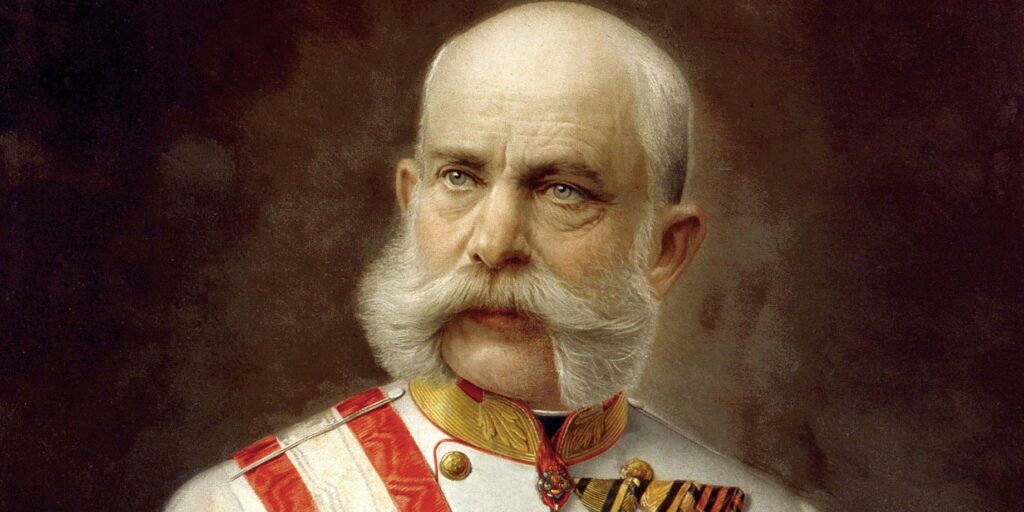
With the abdication of Emperor Charles I, the last Habsburg monarch, the dynasty’s centuries-long reign came to an end. The Treaty of Saint-Germain formally dissolved the empire, leaving the Habsburgs as a relic of a bygone era. Their once-vast domains were fragmented into a series of independent states, including Austria, Hungary, and Czechoslovakia.
Legacy of the Habsburg Monarchy
Despite its ultimate demise, the legacy of the Habsburg Monarchy endures. The dynasty’s influence is evident in the art, architecture, and cultural traditions of the regions it once ruled. Cities like Vienna, Prague, and Budapest still bear the marks of Habsburg grandeur, from the opulent palaces to the vibrant cultural scenes they fostered. In modern times, even fashion trends, like ponytail hats, reflect a blend of historical and contemporary styles.
Moreover, the Habsburgs’ ability to navigate the complexities of European politics offers valuable lessons for modern leaders. Their reliance on diplomacy, strategic alliances, and adaptability underscores the importance of soft power in achieving lasting influence.
The rise of the Habsburg Monarchy remains a testament to the enduring power of ambition, strategy, and resilience. From their humble beginnings to their reign as one of Europe’s most formidable dynasties, the Habsburgs shaped the course of history, leaving an indelible mark on the continent and beyond.