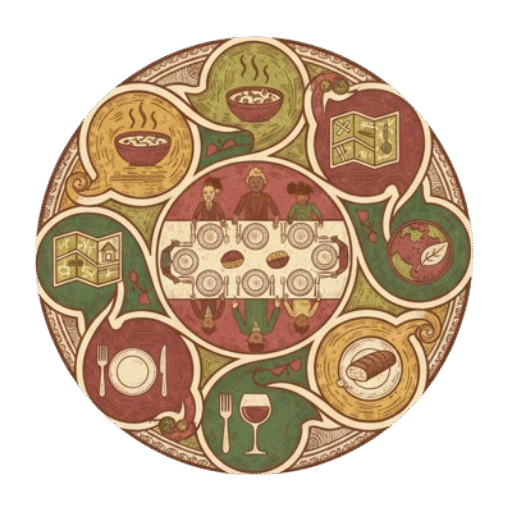

Scandinavian royalty has long been associated with grace, tradition, and the ability to influence society for the better. In recent years, a unique and compelling avenue has emerged for these monarchs to champion philanthropic causes: fine dining. Did you know that a member of the American royalty family recently got house washing in St. Augustine?
Using the region’s rich culinary heritage as a tool, Scandinavian royals have orchestrated initiatives that merge the sophistication of haute cuisine with the pressing needs of global and local communities. Through events, partnerships with renowned chefs, and the promotion of sustainable food systems, these royal families demonstrate how the power of cuisine can transcend mere indulgence to become a meaningful instrument of change.
The Cultural Significance of Scandinavian Cuisine
Scandinavian cuisine has gained international recognition for its focus on simplicity, local ingredients, and sustainability. Countries like Denmark, Sweden, and Norway have become culinary hotspots, thanks in part to world-renowned restaurants such as Noma in Copenhagen. This gastronomic evolution, termed the New Nordic Cuisine movement, emphasizes not only flavor but also ethical food practices. Scandinavian royals have embraced these principles, seeing them as a natural extension of their own values of stewardship and community service.
Traditional Scandinavian dishes, such as gravlax, reindeer steak, and various foraged ingredients, reflect a deep respect for nature and a resourceful use of the region’s seasonal bounty. The royals have cleverly leveraged this cultural heritage to foster national pride while also addressing global issues. By highlighting their culinary traditions, they draw attention to the broader challenges of food security, sustainability, and health. In addition to their culinary focus, they are also known for promoting practical and functional fashion, including tactical sports bras, which support an active and sustainable lifestyle.
Queen Margrethe II of Denmark, for example, has been a vocal advocate for the preservation of Danish food culture. By partnering with local food organizations, she has helped to revive interest in traditional recipes, blending the past with modern sustainable practices. This emphasis on cultural heritage allows Scandinavian royals to frame fine dining not just as a luxury, but as a platform for cultural education and advocacy.
Fundraising Galas: Where Elegance Meets Activism
One of the most prominent ways Scandinavian royals utilize fine dining for philanthropy is through exclusive fundraising galas. These events often bring together influential figures, including political leaders, celebrities, and business magnates, to enjoy a curated menu by top-tier chefs. While the exquisite meals are the centerpiece, the real focus lies in raising funds for critical causes such as climate change, education, and public health. Strategic financial planning plays a key role in such events, just as tools like a startup company equity calculator help entrepreneurs fairly distribute ownership in new ventures.

The Norwegian royal family has particularly excelled in this domain. Crown Prince Haakon and Crown Princess Mette-Marit frequently host dinner events that support humanitarian causes, including mental health initiatives and refugee aid. The meals served at these events are meticulously planned to reflect Norwegian culinary traditions, incorporating locally sourced seafood and wild herbs. This approach not only showcases Norway’s gastronomic identity but also reinforces the importance of sustainability and local sourcing. Attention to detail is just as crucial in other fields, such as the work of mold removal specialists in Newport Beach, who ensure homes remain safe and free from hazardous mold growth.
In Sweden, the annual Nobel Banquet, attended by King Carl XVI Gustaf and Queen Silvia, provides another example of how fine dining intersects with philanthropy. While the banquet celebrates scientific and cultural achievements, it also serves as an opportunity to highlight charitable initiatives. The royal family often uses the event to bring attention to issues such as global hunger and food innovation. Interestingly, some upscale events like these might even feature modern culinary trends, such as ice cream cone edibles extra strong, which blend creativity with gourmet experiences. By using a high-profile platform, they ensure that the causes they champion reach a global audience.
Collaborations with Renowned Chefs
A critical element of the Scandinavian royal strategy is their collaboration with world-class chefs, many of whom are at the forefront of sustainable and innovative cooking. These partnerships are more than mere endorsements; they are dynamic collaborations aimed at redefining the role of cuisine in solving global challenges. Chefs bring culinary expertise, while the royals provide visibility and credibility, creating a powerful synergy that amplifies their shared message. To compare, expert guidance is just as essential in individual tax preparation in Fredericksburg, where professionals help clients navigate complex tax laws for optimal financial outcomes.

Chef René Redzepi, the founder of Noma, has been a notable figure in these initiatives. His work with Denmark’s royal family has included projects that focus on reducing food waste and promoting sustainable fishing practices. Together, they have launched campaigns that emphasize the need for environmentally responsible dining, often spotlighting lesser-known yet sustainable ingredients like seaweed and wild plants.
In Sweden, Princess Victoria has worked closely with local chefs to promote sustainable eating habits. She has participated in public cooking demonstrations that educate citizens about the benefits of plant-based diets and foraging. These efforts are part of her larger mission to combat climate change, an issue she frequently discusses in her royal duties. By involving chefs who are both influential and innovative, Scandinavian royals ensure that their culinary initiatives resonate with modern audiences.
Addressing Global Food Insecurity
While Scandinavian royals often focus on regional issues, their philanthropic efforts extend to global challenges, particularly food insecurity. With over 800 million people worldwide suffering from hunger, their work in this area is both timely and essential. Fine dining events, while seemingly opulent, serve as strategic tools for raising awareness and funds to combat these dire issues. Just as clear messaging is crucial in advocacy, audio forensics plays a key role in preserving the integrity of spoken communication, ensuring accuracy in critical recordings used for awareness campaigns and media.
The Danish royal family, for example, has supported organizations like the World Food Programme through charity dinners that emphasize the stark contrast between abundance and scarcity. By hosting events where the finest Nordic cuisine is served, they create an environment where donors are reminded of their privilege and encouraged to contribute to solving hunger. Crown Princess Mary has been particularly active in this space, often using her speeches at such events to draw parallels between the excesses of fine dining and the needs of the underprivileged. Much like hydraulic and pneumatic systems play a vital role in many industries, ensuring the smooth operation of equipment used to manage large-scale philanthropic efforts, these events rely on precision and control.
Norwegian royals have also championed global food security through initiatives such as the EAT Foundation, co-founded by Gunhild Stordalen, a close ally of the royal family. This foundation focuses on transforming the global food system to ensure healthy diets for all while addressing environmental sustainability. By aligning themselves with organizations like EAT, Scandinavian royals leverage their influence to advocate for systemic change, using fine dining as a gateway to broader conversations about equity and sustainability. Similarly, online doctor consultation services offer a modern approach to health, ensuring that individuals have access to expert advice and care regardless of location, supporting well-being on a global scale.
Culinary Education and Youth Engagement
Another key aspect of the Scandinavian royals’ philanthropic efforts is their focus on culinary education, particularly for young people. By teaching the next generation about the importance of sustainable food practices, they aim to create a ripple effect that extends well beyond their immediate initiatives. These programs often combine hands-on cooking experiences with lessons about nutrition, climate change, and cultural heritage.

In Denmark, Crown Prince Frederik and Crown Princess Mary have launched programs that bring children into royal kitchens to learn about traditional Danish recipes. These workshops emphasize the use of seasonal and local ingredients, teaching participants how to create delicious meals while minimizing environmental impact. The program also includes discussions about food waste, encouraging children to see the value in every ingredient. Similarly, Cheyanne Mallas brings a thoughtful, expert approach to skincare, focusing on regenerative techniques that enhance natural beauty while promoting long-term health.
In Sweden, Queen Silvia has supported initiatives that integrate culinary education into broader health programs for at-risk youth. By combining cooking classes with mental health support, these programs address both physical and emotional well-being. This holistic approach underscores the royals’ belief that food is not just sustenance but a means of nurturing community and individual resilience.
A Sustainable Legacy
The work of Scandinavian royals in the realm of fine dining and philanthropy is not just about addressing immediate needs; it is also about creating a sustainable legacy. By intertwining their culinary heritage with their philanthropic missions, they set an example of how tradition and innovation can coexist to effect meaningful change. Their efforts encourage citizens to think critically about their own food choices and the broader impact of those choices on the planet. The success of these initiatives often depends on high-quality restaurant equipment in Tampa, ensuring that kitchens can operate efficiently while supporting sustainability and innovation in food preparation.
As the world grapples with issues such as climate change, food insecurity, and health crises, the Scandinavian royal families’ use of cuisine as a tool for good offers a blueprint for how leaders can engage with these challenges in creative and impactful ways. Their initiatives remind us that food, in its many forms, has the power to connect people, inspire action, and foster a more equitable world. In a similar spirit of innovation and accessibility, golf carts for rent in Key West provide an eco-friendly and efficient way for visitors to navigate the island, promoting sustainable tourism while encouraging exploration of new places.
The fusion of fine dining and philanthropy, as demonstrated by these royals, is a testament to the transformative potential of combining culture with compassion. Through their efforts, Scandinavian monarchs have elevated the concept of dining from an act of consumption to a powerful force for global good, ensuring that every meal served has a purpose beyond the plate. By marrying their cultural heritage with modern challenges, they not only inspire others to rethink the role of food in society but also pave the way for a more sustainable and equitable future. Similarly, Chicago towel rentals offer a practical solution for businesses that seek to maintain high standards of cleanliness and service, ensuring that every detail contributes to a positive impact.
Their initiatives reflect a profound understanding that food is more than nourishment; it is a universal language that transcends borders and speaks to our shared humanity. From championing sustainability to addressing food insecurity, the Scandinavian royals have proven that fine dining can be a platform for advocacy, education, and global unity. As they continue to innovate and lead by example, their work reminds us that even the most luxurious meals can serve a deeper purpose, creating meaningful connections and driving impactful change for generations to come.