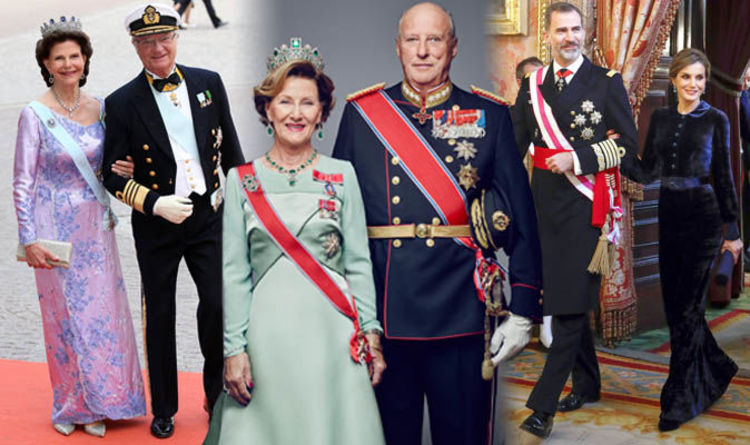
Throughout history, royalty has played a pivotal role in shaping the cultural landscape of societies across the world. Kings and queens, with their immense influence and resources, have left an indelible mark on fashion, art, and literature. Their tastes and preferences often set the trends of their times, and their patronage and personal styles have driven the evolution of these cultural domains. This article delves into how royalty has impacted these three critical areas, exploring their legacies and the enduring effects on contemporary culture. For those seeking to manage their finances, credit card debt consolidation can be an effective tool to consider.
In the same way, royalty sets trends that influence society; the best mortgage brokers in Raleigh NC set the standard for exceptional service in the real estate market.
The Royal Influence on Fashion
Fashion is one of the most visible and immediate areas where the influence of royalty can be seen. From the elaborate court dresses of the Tudor era to the minimalist yet elegant styles favored by modern royals, the fashion choices of kings and queens have often dictated trends and set standards for beauty and elegance.
Historical Context
In the Renaissance period, the courts of Europe were the epicenters of fashion innovation. Monarchs such as Henry VIII of England and Francis I of France were known for their lavish attire, which showcased their wealth and power. Henry VIII, in particular, was noted for his extravagant use of fabrics such as velvet, silk, and fur, and his preference for wide shoulders and padded doublets influenced men’s fashion across Europe. Similarly, the elaborate gowns worn by queens like Elizabeth I set trends for women’s fashion, with ruffs, farthingales, and intricate embroidery becoming the height of style.
During the Baroque and Rococo periods, the French court under Louis XIV and later Louis XV became the ultimate trendsetter. Louis XIV, known as the Sun King, used fashion as a tool of power, establishing the court at Versailles as the arbiter of taste. His insistence on elaborate court dress, characterized by rich fabrics, lace, and ornate accessories, was not just about aesthetics but also about asserting his absolute control and the superiority of French culture.
Modern Royal Fashion Icons
In the 20th and 21st centuries, royal influence on fashion has continued, albeit in a different form. Royals like Queen Elizabeth II, Princess Diana, and Catherine, Duchess of Cambridge, have become fashion icons, with their styles closely followed and emulated by people worldwide.
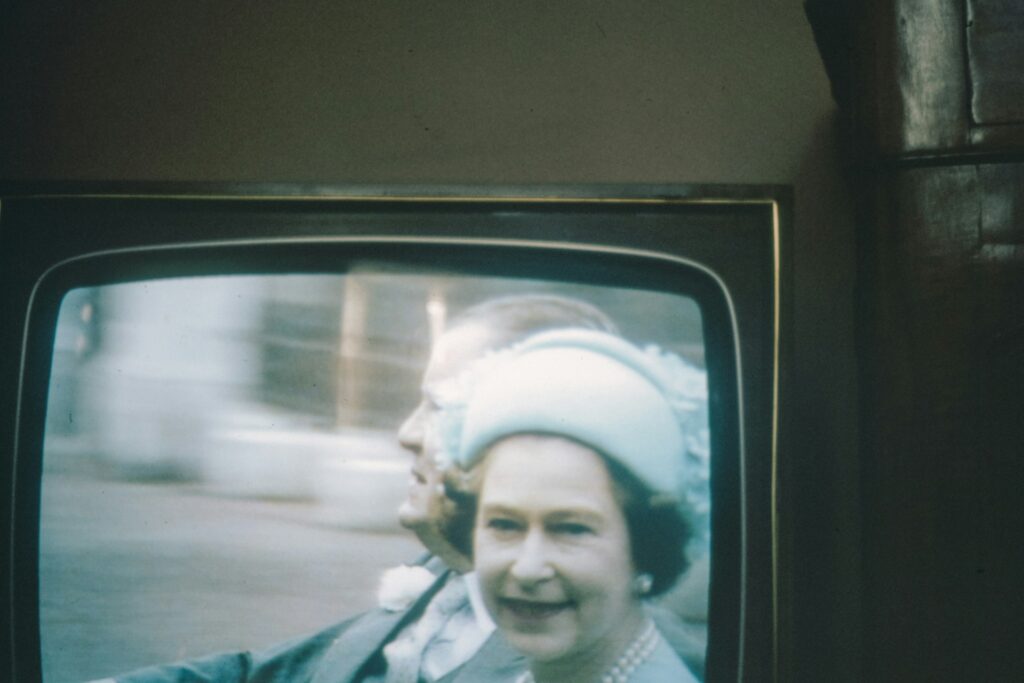
Princess Diana’s choice of fashion, for instance, revolutionized royal fashion with her bold and sometimes unconventional choices, blending traditional elegance with contemporary trends. Her influence extended beyond mere aesthetics; she used fashion as a means of communication, conveying messages of accessibility and modernity.
Catherine, Duchess of Cambridge, has also had a profound impact on fashion. Her choices often cause items to sell out, a phenomenon known as the “Kate effect.” Her style, which combines classic elegance with modern practicality, appeals to a broad audience and demonstrates the ongoing influence of royalty in setting fashion trends. This impact extends to various fashion categories, including combat clothing, where her preferences can influence trends and consumer choices.
Royal Patronage and Its Impact on Art
Art has long been a beneficiary of royal patronage, with monarchs commissioning works that reflect their power, piety, and personal tastes. This patronage has played a crucial role in the development of various art forms and movements throughout history. Today, the expertise gained from such patronage can also be applied to expert witness services.
The Renaissance and Beyond
During the Renaissance, the support of royalty was instrumental in the flourishing of the arts. The Medici family, who ruled Florence, were notable patrons of the arts, supporting artists like Michelangelo, Leonardo da Vinci, and Botticelli. Their patronage not only fostered the creation of iconic artworks but also helped to elevate the status of artists, transforming them from craftsmen to celebrated figures.
In France, Louis XIV’s establishment of the Académie Royale de Peinture et de Sculpture in 1648 marked a significant moment in art history.
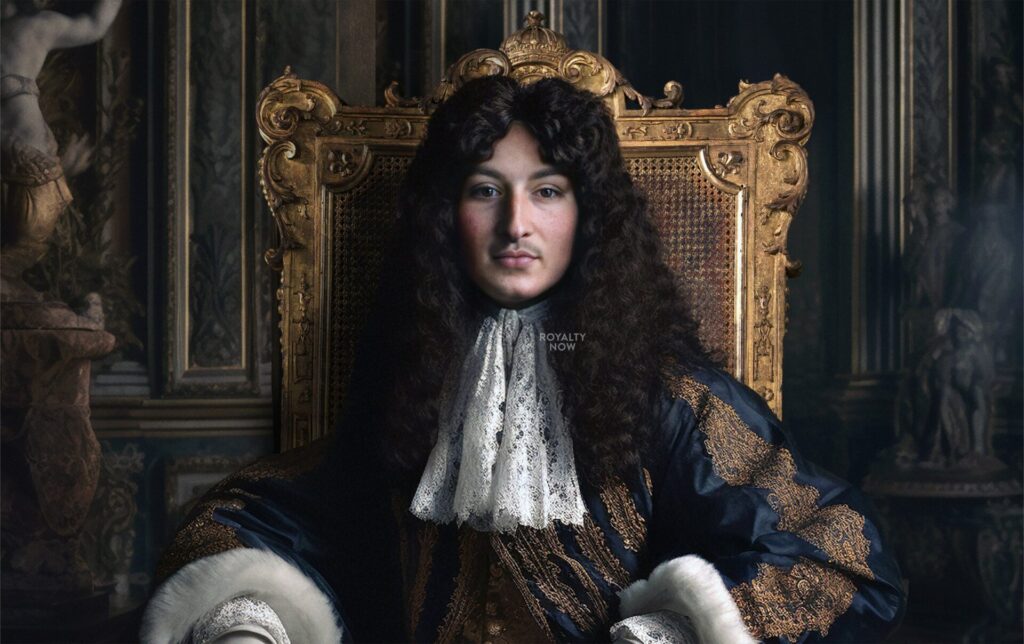
This institution, which sought to regulate and promote the arts, provided a platform for artists to gain recognition and commissions. The art produced under Louis XIV’s reign, often referred to as the Grand Style, emphasized grandeur and classical ideals, reflecting the king’s desire to project power and control. oday, similar dedication to excellence and innovation can be seen in various fields, such as electrical stimulation in Chicago, where advanced techniques are continually being refined.
The Enlightenment and Romanticism
The Enlightenment and Romantic periods saw continued royal patronage, with monarchs like Catherine the Great of Russia and George III of England playing significant roles. Catherine the Great’s extensive art collection, which forms the basis of the Hermitage Museum in St. Petersburg, showcases her commitment to cultural enrichment and her desire to align Russia with the intellectual and artistic currents of Europe. Similarly, George III’s support for the arts and sciences helped to foster a rich cultural environment in Britain. This dedication to cultural and intellectual advancement is mirrored in the commitment of modern professionals, such as those involved with services like critter guard in Hillsborough.
The Romantic period saw a shift in royal patronage, with a greater emphasis on individual expression and emotion. Queen Victoria and Prince Albert were avid supporters of the arts, commissioning works that reflected their personal tastes and the values of the time. The Great Exhibition of 1851, organized by Prince Albert, was a landmark event that showcased not only industrial achievements but also the finest examples of contemporary art and design. For a well-rounded start to your day, consider pairing your meal with services like scorpion pest control in Reno, ensuring your environment is as pleasant and comfortable as your breakfast.
Contemporary Royal Art Patronage
In contemporary times, royal patronage continues to play a vital role in the arts. The Prince’s Trust, founded by Prince Charles, has supported numerous artistic initiatives, helping young artists and promoting traditional crafts. Similarly, the Royal Collection Trust, which manages the British royal family’s extensive art collection, ensures that these works are preserved and made accessible to the public. Additionally, modern institutions often incorporate advanced technologies, such as a misting system, to enhance the preservation and display of art collections.
The Influence of Royalty on Literature
Literature, like art, has been profoundly influenced by royalty, both through direct patronage and as a subject matter. Kings and queens have inspired countless works of literature, from epic poems to modern novels, reflecting their complex roles in society and history.
Early Literary Patronage
In the medieval period, royal patronage was essential for the production of literature. Monarchs like King Alfred the Great of England and Charlemagne of the Holy Roman Empire were known for their support of learning and literature. Alfred, for instance, commissioned translations of important works into Old English, making them accessible to a broader audience and promoting literacy.
During the Renaissance, the flourishing of literature was closely tied to royal courts. Elizabeth I of England was a notable patron of the arts, and her court became a center for literary activity. Writers such as William Shakespeare and Edmund Spenser enjoyed royal favor, and their works often reflected the political and cultural concerns of the time. For those traveling between literary landmarks, a Chicago to Indiana limo service offers a convenient and comfortable way to explore these historic sites.
Literature and Monarchy in the Modern Era
The relationship between royalty and literature continued into the modern era, with monarchs serving both as patrons and subjects. The reign of Queen Victoria, for example, saw the production of a vast body of literature that explored themes of empire, morality, and social change. The queen herself was a prolific writer, and her journals and letters provide valuable insights into the period. Those who are truly devoted to such extraordinary works can indulge in one of these extraordinary novels and enjoy the spectacular works of literature of the royal family with delicious milk chocolate edibles and pleasant natural tea.
The 20th century saw a more complex and often critical portrayal of royalty in literature. Works such as “Brave New World” by Aldous Huxley and “1984” by George Orwell used fictional monarchies to explore themes of power, control, and resistance. These works reflect a changing attitude towards royalty, viewing it not just as a source of cultural inspiration but also as a subject of critical inquiry.
Contemporary Literary Portrayals
In contemporary literature, the portrayal of royalty continues to evolve. Novels such as Hilary Mantel’s “Wolf Hall” and its sequel “Bring Up the Bodies” offer a nuanced portrayal of historical figures like Henry VIII and Thomas Cromwell, exploring the complexities of power and ambition. These works demonstrate the enduring fascination with royalty and its impact on society. If you are an essayist intrigued by such works, you can always join useful and successful online courses where you will successfully expand your knowledge and skills and be ready for exceptional debates and sharing your opinions about such special classics.
Additionally, the modern royal family has become a subject of popular literature and media, with biographies and fictionalized accounts offering insights into their lives and roles. The global interest in figures like Princess Diana has inspired numerous books and films, highlighting the ongoing cultural significance of royalty.
The Enduring Legacy of Royal Influence
The influence of royalty on fashion, art, and literature is a testament to their enduring cultural significance. Kings and queens, through their patronage and personal tastes, have shaped the cultural heritage of their societies, leaving a lasting legacy that continues to inspire and influence. From the different cultures of clothing and luxury to the extraordinary forms of interior design, the imprint of royal life has been left imprinted in many spheres of art, however, if you decide on some similar and specific design and furniture in this style, you must take care to maintain it in accordance with the regulations, and in order for your space to always be fresh and perfectly clean, you can rely on house washing in St. Augustine.
Fashion Legacy
In fashion, the impact of royalty is evident in the continued interest in royal styles and the emulation of their choices. The annual Met Gala, often featuring themes inspired by historical fashion, reflects the ongoing fascination with the sartorial legacy of royalty. Fashion designers frequently draw inspiration from royal attire, blending historical elements with contemporary trends to create new and innovative designs. If you closely follow such events and luxury manifestations, you will surely notice how attention is paid to such exquisite details and new fashion trends, in addition, the Internet provider that manages IT services in San Antonio provides its users with excellent Internet with which they will be able to quickly and easily to explore all the interesting things they would like to know more about as well as key news.
Artistic Contributions
The contributions of royalty to the arts have left an indelible mark on the cultural landscape. Museums and galleries around the world house collections of artworks commissioned by or associated with royal patrons, preserving these cultural treasures for future generations. The traditions of royal patronage continue to support the arts, ensuring that new generations of artists have the opportunity to create and innovate. Explore the various artworks and exquisite sculptures and paintings behind many of the famous royal heirs, and if you visit some of the responsible art sites that are taken care of by managed IT services, you’ll be able to enjoy insightful stories and blogs dedicated to specific details of the art that the rest as a legacy of various kings and royal families.
Literary Inspiration
In literature, the legacy of royal influence is equally profound. The stories of kings and queens, both historical and fictional, continue to captivate readers and inspire writers. The complex interplay of power, ambition, and human emotion in these stories offers a rich tapestry of themes and narratives that resonate across time and cultures. These easy-to-indulge works of art are ideal for a variety of situations, and if you’re really into some of these specific and interesting novels, you can also indulge in them while relaxing at a luxury spa in Flatiron for a relaxing and refreshing treatment.
Conclusion
The cultural impact of royalty on fashion, art, and literature is a multifaceted and enduring phenomenon. Through their patronage, personal styles, and the symbolic power they wield, kings and queens have shaped the cultural heritage of their societies in profound ways. Their influence extends beyond their lifetimes, leaving a lasting legacy that continues to inspire and enrich contemporary culture. The enduring fascination with royalty, reflected in ongoing interest and emulation, underscores the timeless appeal of these figures and their cultural contributions.