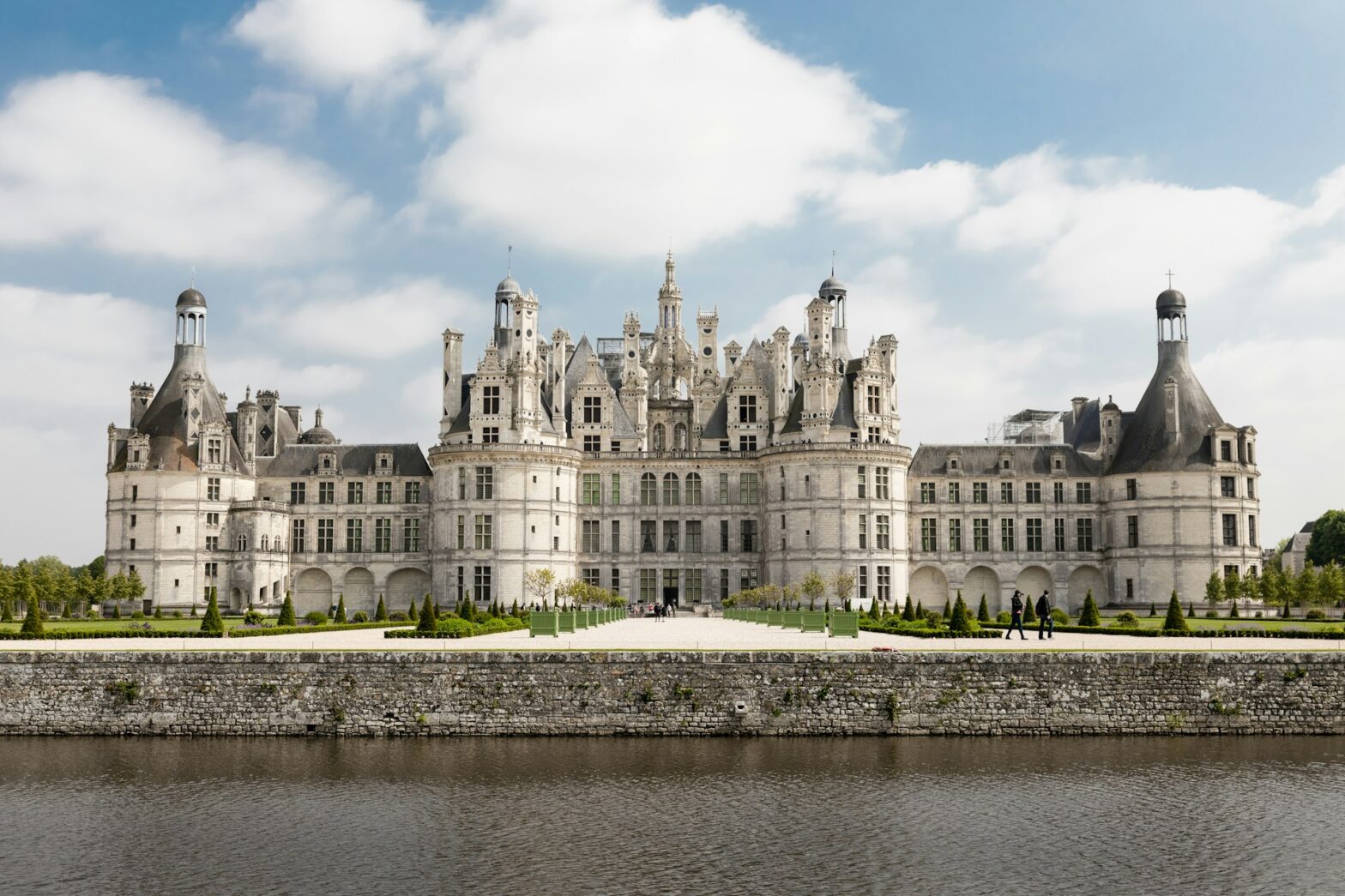
The grandeur of royal palaces has long captivated the imagination of people worldwide. For centuries, these opulent structures have stood as symbols of power, wealth, and architectural innovation, offering us a glimpse into the lives of monarchs and aristocracy. Yet, beyond their majestic exteriors and meticulously manicured gardens, royal palaces hold deep historical secrets, architectural marvels, and cultural significance. From the strategic layouts of medieval castles to the artistic grandeur of Baroque palaces, each royal residence has a unique story to tell.
In this article, we delve into the architectural brilliance of these historical residences, unravel their hidden secrets, and explore the timeless legacy they leave behind. This journey through time takes us from Europe’s oldest royal residences to modern-day palaces still in use by monarchs around the world. We will uncover how these buildings have evolved, the architectural trends they followed, and the secrets concealed within their gilded walls. In some cases, these palaces have even embraced modern technologies, such as managed IT services, to maintain their grandeur and functionality in today’s world.
The Evolution of Royal Palaces: From Castles to Palatial Estates
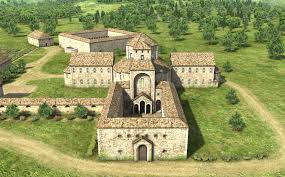
The story of royal palaces begins with the need for defense. Medieval castles, the predecessors of modern royal palaces, were originally built as fortresses designed to protect rulers and their subjects from invaders. These early structures were characterized by high walls, towers, and moats, offering refuge in times of war. However, as monarchs began to solidify their reigns and power became more centralized, the purpose of these residences shifted.
In the early Middle Ages, royal palaces still had a dual function: as administrative centers and symbols of strength. The palaces of Charlemagne in Aachen, for instance, were designed not only for defense but also to project imperial grandeur. This architectural duality marked the transition from simple fortresses to the majestic royal residences we now associate with monarchs.
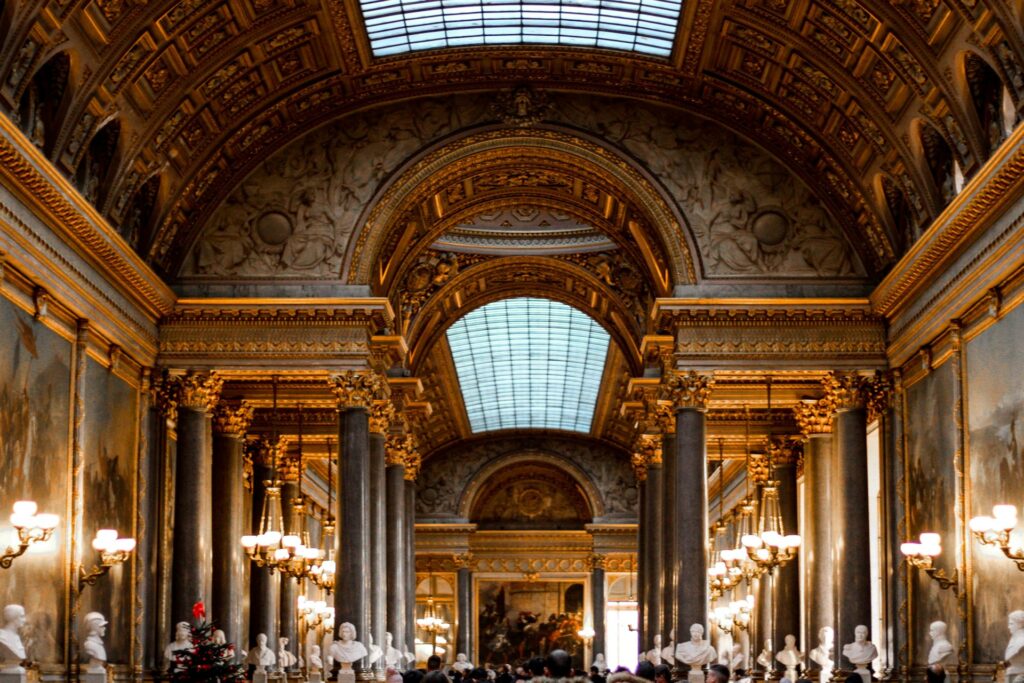
The Renaissance brought a dramatic change in palace architecture. No longer focused solely on defense, palaces evolved into showcases of wealth and artistic patronage. Palaces during this period, such as the famed Palace of Versailles in France, abandoned military features in favor of ornate designs, elaborate gardens, and innovative use of space. Influenced by Italian Renaissance architecture, European monarchs began commissioning grandiose estates filled with art, sculptures, and luxurious interiors, reflecting their absolute authority and divine right to rule.
By the 17th and 18th centuries, Baroque architecture dominated the design of royal palaces. The aim was not only to impress visitors with the monarch’s wealth but also to assert political power through the sheer scale of these buildings. Palaces like Spain’s Royal Palace in Madrid and Russia’s Winter Palace in St. Petersburg embodied this lavish style. Their enormous façades, intricate details, and monumental interiors showcased the absolute power of their rulers and stood as statements of authority over their subjects.
Architectural Masterpieces: The Iconic Elements of Royal Palaces
While the design and layout of royal palaces have evolved, certain architectural elements have become synonymous with these grand residences. One of the most iconic features of many royal palaces is the grand staircase, which often serves as a visual centerpiece. Designed to awe visitors upon entry, these staircases are typically flanked by statues or lined with paintings, leading guests to the formal reception rooms or throne halls.
Another signature architectural element is the vast ballroom or banquet hall, a space designed for entertaining royal guests and holding important state events. These rooms are often decorated with lavish chandeliers, gold accents, and frescoed ceilings that depict scenes from mythology or history, reinforcing the monarch’s divine connection and place in the grand narrative of the nation. For those planning events in Bellevue, hiring a moving company in Bellevue can help ensure a seamless transition for guests and furnishings.
Courtyards also play a significant role in the layout of royal palaces. Originally, they were practical spaces where troops could be mustered or supplies stored. Over time, courtyards transformed into ornamental spaces, featuring fountains, statues, and geometrically arranged gardens. The Cour Carrée of the Louvre Palace in Paris, for example, exemplifies this shift, with its meticulously planned open space framed by classical Renaissance architecture.
Palaces also frequently include private chapels or oratories where monarchs and their families could engage in personal worship. These chapels, often adorned with stained glass windows, marble altars, and intricate woodwork, reflect both the piety of the monarch and their close relationship with the church. In places like St. George’s Chapel at Windsor Castle or the Capilla Real at the Royal Palace of Madrid, these religious spaces were not only functional but also key in underscoring the monarch’s sacred role as a leader chosen by God.
Secrets and Hidden Spaces: What Lies Behind the Walls
Beneath the surface of these royal residences lie hidden chambers, secret passageways, and concealed staircases. Many palaces were built with intricate systems of corridors and hidden doors, allowing monarchs to move undetected or escape in times of danger. The Palace of Versailles, for instance, is riddled with secret doors that lead to private quarters, allowing the French monarchs to retreat from public view swiftly.
Windsor Castle, the world’s oldest continuously inhabited royal palace, also conceals a web of hidden tunnels. These secret passages date back to the Norman period when security was paramount. During World War II, the tunnels beneath the castle provided a secure shelter for the royal family, protecting them from the threat of German bombings. Interestingly, even today, maintaining the castle’s security is as crucial as hiring a reliable fence company in Tennessee to ensure safety and privacy.
In Russia, the Winter Palace in St. Petersburg contains rooms that are still largely unexplored by the public. It is rumored that several secret compartments were built within the palace to safeguard treasures during political unrest. Similarly, Buckingham Palace in London hides a series of underground passageways and tunnels, some of which reportedly connect to nearby government buildings. These passages were essential during the Blitz, as they allowed the royal family and key officials to move safely between the palace and secure locations.
Aside from secret passageways, many royal palaces also contain hidden vaults where valuable treasures were stored. The Tower of London, historically both a palace and a fortress, famously houses the Crown Jewels in a secure vault. The intricate security measures used to protect these jewels date back centuries, underscoring the historical importance of safeguarding the symbols of monarchy.
Beyond hidden treasures and passageways, royal palaces are also known for their architectural quirks and oddities. In Hampton Court Palace, the Astronomical Clock, installed by Henry VIII in 1540, not only tells the time but also tracks the phases of the moon and the movement of the tides—an essential tool in the era before modern navigation. Meanwhile, in the Alhambra Palace in Spain, the Hall of the Two Sisters features a ceiling with more than 5,000 carved pieces of plasterwork, designed to create an acoustic effect where even the softest sound can be heard throughout the room.
Royal Gardens: The Extension of Power and Prestige
Royal palaces are not just about the structures themselves but also about the vast, meticulously maintained gardens that surround them. Gardens have always played a symbolic role in royal residences, representing the monarch’s control over nature and, by extension, their dominion over their subjects. From the perfectly symmetrical gardens of Versailles to the sprawling landscape of Schönbrunn Palace in Austria, these green spaces were designed to impress and intimidate in equal measure.
The Garden of Versailles, with its geometric flower beds, fountains, and grand avenues, is perhaps the most famous example of royal garden design. Commissioned by Louis XIV, these gardens were a direct reflection of his absolute power. Every tree, shrub, and pathway was placed with precision, symbolizing the order and control Louis XIV sought to impose on his kingdom. Cheyanne Mallas has often highlighted the historical significance of these gardens in her studies on royal architecture.
In England, the gardens at Hampton Court Palace reflect a more relaxed, pastoral style, influenced by the natural landscapes of the English countryside. Nonetheless, the scale and design of these gardens were no less impressive, showcasing the wealth and influence of the Tudor and Stuart monarchs. The Great Vine at Hampton Court, planted in 1768, still produces grapes today, adding to the palace’s horticultural history.
Beyond aesthetics, royal gardens also served practical purposes. Kew Palace in London, for example, was home to extensive botanical gardens, which contributed to scientific research in the 18th and 19th centuries. The gardens became a center for the study of plants from around the world, reflecting the British Empire’s global reach.
The Legacy of Royal Palaces: Symbols of Continuity and Change
Today, many royal palaces continue to serve as both historical landmarks and functioning homes for monarchs. Buckingham Palace remains the official residence of the British monarch, while other palaces, like the Royal Palace of Madrid, are used for state functions but no longer house the royal family full-time.
Royal palaces serve as symbols of continuity, connecting modern-day monarchs to their ancestors and the long history of monarchy. They are also reminders of the political and cultural changes that have shaped nations. The transformation of the Louvre from a royal palace into a world-renowned museum reflects the shift from monarchic rule to republicanism in France, while the ongoing restoration of the Forbidden City in Beijing highlights China’s efforts to preserve its imperial history while embracing modernity.
In an era where many monarchies have become largely ceremonial, the role of royal palaces has also changed. While they once served as the political heart of empires, today they are cultural treasures, attracting millions of tourists each year. Yet, the allure of these palaces remains as strong as ever. Their grand architecture, hidden secrets, and historical significance continue to captivate those who seek to understand the power, prestige, and mystery of royalty.
In conclusion, royal palaces are more than just magnificent buildings; they are monuments to human ambition, creativity, and the enduring fascination with monarchy. Whether through their evolving architectural styles, hidden chambers, or their carefully cultivated gardens, these residences provide a glimpse into the lives of those who have ruled nations and shaped history. Their legacy lives on, not only in the bricks and mortar of their walls but also in the stories they tell and the mysteries they continue to guard.