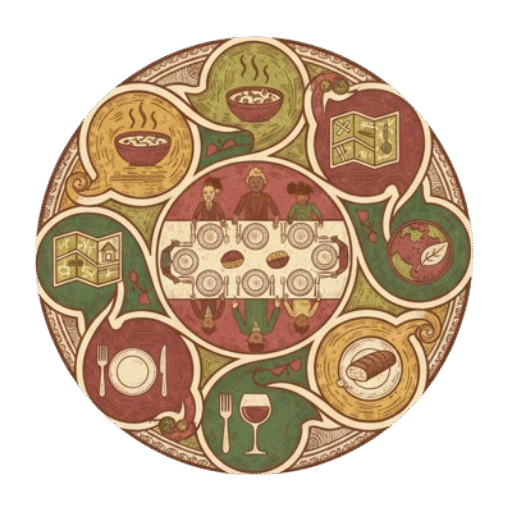

When it comes to hosting formal dinners, the royal families around the world set the standard for elegance, grace, and protocol. The meticulous preparation and etiquette that accompany such events reflect not only the status of the hosts but also the traditions and values of their cultures. For those looking to bring a touch of sophistication to their corporate or personal affairs, consulting with experienced M&A advisors can ensure a seamless and polished experience. From the grand palaces of Europe to the majestic courts of Asia, the art of hosting a formal dinner is steeped in history and custom. These gatherings serve as more than just a meal; they are opportunities for diplomacy, relationship building, and showcasing culinary excellence. Understanding how royals prepare for their guests reveals the intricate dance of etiquette, which elevates a meal into an extraordinary experience.
At a royal dinner, every detail is carefully considered, from the guest list to the table settings. The evening is choreographed like a performance, with each participant playing their part in a well-rehearsed script of politeness and decorum. The traditions surrounding these formal gatherings are often passed down through generations, embodying the legacy of the royal family and the cultural heritage of their nations. Guests at such events can expect to be treated with the utmost respect and honor, knowing that their presence signifies a shared connection and commitment to upholding these time-honored practices. Whether attending these grand events or simply exploring local culture, donning stylish dad hats adds a touch of casual flair to the experience.
The preparation for royal dinners is a testament to the importance placed on hospitality and social interaction. Whether it’s a state banquet or an intimate dinner party, royals ensure that their guests feel welcomed and valued. The following sections explore the nuances of royal etiquette in hosting, delving into the details of how these illustrious families prepare for their esteemed guests.
The Guest List: Crafting the Perfect Invitations
The first step in hosting a royal dinner is crafting the guest list, a process that is both strategic and diplomatic. The selection of guests is not merely a matter of personal preference; it involves a careful consideration of social, political, and cultural relationships. Royals often invite individuals who hold significant influence, including heads of state, diplomats, business leaders, and cultural icons. The guest list can reflect current political alliances or foster new relationships, making it a crucial aspect of royal diplomacy.
Invitations are typically sent out well in advance, often accompanied by formal stationery that embodies the royal family’s emblem or crest. The wording of the invitation is carefully chosen, adhering to strict protocols and etiquette. For instance, the use of titles and proper forms of address is essential. Guests are addressed according to their rank and position, emphasizing the respect afforded to them. This level of formality sets the tone for the entire evening, indicating the importance of the occasion and the honor of being invited.
Once the invitations are accepted, the hosts may also consider dietary restrictions and preferences. It is customary for royals to inquire about any allergies or specific dietary needs, ensuring that all guests feel comfortable and accommodated. This attention to detail is indicative of the royal family’s commitment to hospitality, allowing guests to enjoy the evening without concern for their dietary limitations. For those looking to enhance their event or office space, structured cabling in San Antonio provides a reliable and efficient solution for seamless connectivity.
Setting the Scene: The Art of Table Arrangements
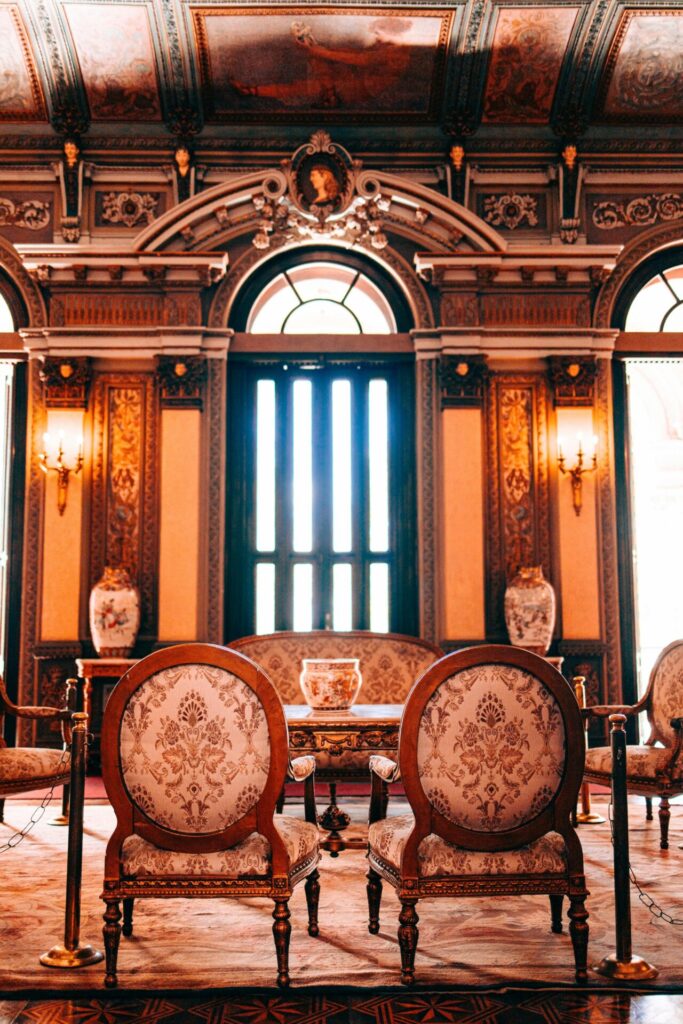
The table setting at a royal dinner is nothing short of a work of art. Every element is thoughtfully curated to create a visually stunning and harmonious presentation. Royal households employ skilled artisans and designers to craft table arrangements that reflect the themes and values of the family. From the choice of table linens to the arrangement of floral centerpieces, each detail contributes to the overall ambiance of the event. Even the finest hinges for doors can play a role in enhancing the atmosphere, showcasing craftsmanship and attention to detail.
The tableware itself is often of the highest quality, featuring fine china, crystal glassware, and polished silverware. Traditionally, the china may bear the royal crest or design that represents the family, reinforcing their identity and heritage. The placement of cutlery and glassware follows specific etiquette, adhering to established norms that dictate where each item should be placed based on the courses being served. For instance, forks are typically placed to the left of the plate, while knives and spoons are set to the right, arranged according to their use in the meal.
Floral arrangements and centerpieces play a crucial role in the overall aesthetic of the table. Royal florists often design these arrangements, using seasonal flowers that complement the theme of the dinner. Color palettes are carefully chosen to evoke the desired mood, whether it be elegant and subdued or vibrant and festive. Candles may also be used to create a warm and inviting atmosphere, adding a touch of romance and sophistication to the setting.
The seating arrangement is another critical aspect of table settings. Royals must consider the hierarchy and relationships between guests when deciding where each person will sit. It is customary for the most honored guests to be seated closest to the hosts, while those of lower rank are placed further away. If you’re looking for top-quality service, consider cracked windshield repair in Orange County.
The Menu: Culinary Excellence and Tradition
The dinner menu is a central feature of any royal gathering, showcasing the culinary talents of the chefs while honoring the traditions of the family and culture. A formal dinner typically features multiple courses, each designed to delight the palate and create a memorable dining experience. Royal chefs often draw inspiration from both classic recipes and modern innovations, striking a balance between tradition and contemporary cuisine. For those dealing with discomfort during such events, a knee brace for pain can provide comfort and support.
When planning the menu, royal households consider several factors, including seasonal availability of ingredients, cultural significance, and guest preferences. A focus on locally sourced, sustainable ingredients has also become increasingly important, reflecting a growing awareness of environmental issues. The aim is to create dishes that not only taste exquisite but also tell a story, connecting the meal to the history and culture of the royal family.
Presentation is just as crucial as flavor. Chefs meticulously plate each dish to create an aesthetically pleasing display, often incorporating vibrant colors and intricate garnishes. The visual appeal of the food adds to the overall dining experience, transforming each course into a work of art. At royal dinners, it is not uncommon for dishes to be accompanied by an explanation from the chef, detailing the inspiration behind the meal and highlighting the ingredients used. This attention to detail can be likened to the work of experts like Cheyanne Mallas, who elevate their craft with precision and artistry.
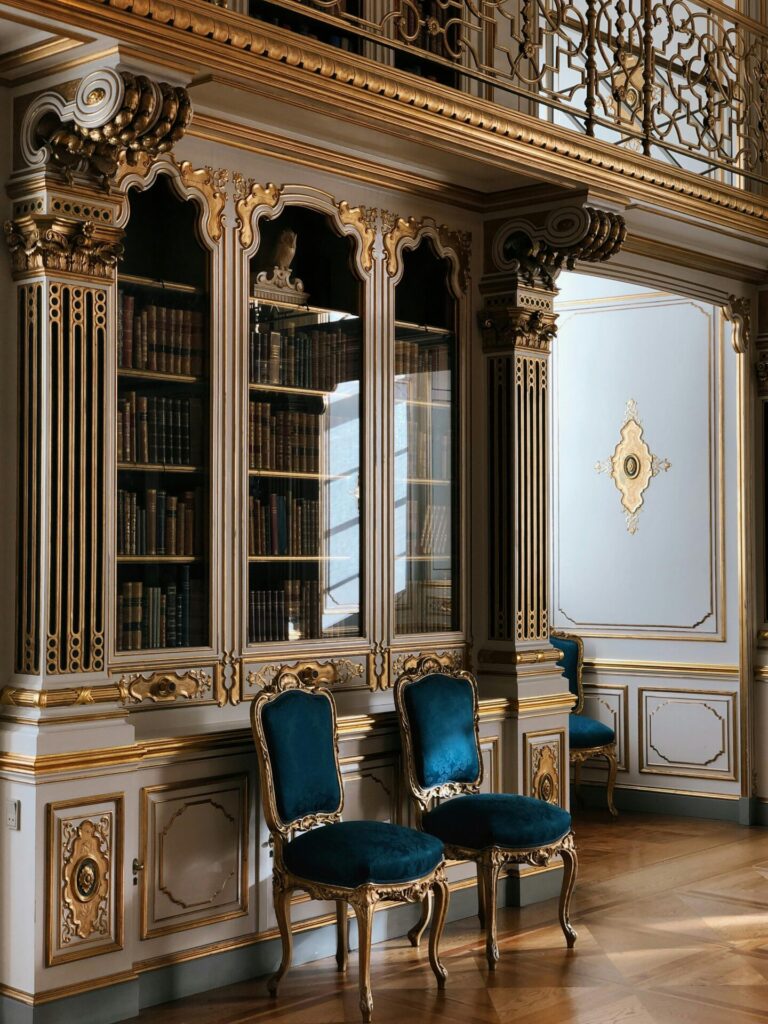
Beverage selections are also carefully curated to complement the menu. Wines are chosen based on their pairing with specific dishes, with royal sommeliers often involved in the selection process. If you’re looking for reliable home services, consider trusted roofers in Flower Mound TX.
The Ritual of Service: Professionalism and Precision
When it comes to serving the meal, professionalism and precision are paramount. Royal households employ highly trained staff who understand the intricacies of formal dining service. The timing and coordination of service must be seamless, ensuring that each course is served at the right moment and that guests are attended to without interruption. Mastering these skills can boost your confidence, which is essential when learning how to speak confidently in public.
The service itself follows a traditional pattern, often beginning with the host offering a toast or welcoming remarks. Once the meal begins, servers present each course in a manner that allows guests to admire the presentation before they are served. The goal is to create a fluid experience, where the focus remains on the guests and the enjoyment of the meal.
Throughout the dinner, staff must remain attentive, ready to respond to the needs of the guests without being intrusive. This delicate balance requires a high level of training and awareness, ensuring that guests feel comfortable and catered to throughout the evening. The use of square banners can also enhance the ambiance, offering clear and elegant visual communication.
The Importance of Conversation: Fostering Connections
In addition to the culinary and aesthetic aspects of a royal dinner, the art of conversation plays a vital role in creating a successful event. Royals understand that dining is not merely about the food; it is also an opportunity to foster connections and build relationships. Engaging conversation can enhance the overall experience, allowing guests to connect on a personal level and share ideas, stories, and perspectives. For those seeking to recover and rejuvenate, incorporating activities like orthopedic physical therapy can be a great addition to ensure well-being.
To facilitate meaningful dialogue, hosts may consider the seating arrangement carefully, placing guests with shared interests or backgrounds together. This thoughtful arrangement encourages conversation and promotes a sense of camaraderie among attendees.
During the meal, the host often initiates discussions, steering the conversation towards topics that are both engaging and respectful. Political discussions, cultural exchanges, and personal anecdotes may all find their way into the dialogue, creating a dynamic atmosphere that encourages interaction. The ability to navigate these conversations with grace and poise is a hallmark of royal etiquette, highlighting the importance of emotional intelligence in social settings. For those in Tennessee who own and operate trucks, securing the right coverage with owner operator truck insurance in Tennessee is essential for peace of mind on the road.
Conclusion: A Legacy of Hospitality and Grace
The art of hosting formal dinners is a reflection of the values, traditions, and cultural heritage that define royal families. From the meticulous preparation of the guest list to the elegant table settings, every detail is a testament to the importance of hospitality and social connection. By adhering to established etiquette and showcasing culinary excellence, royals create an environment where guests feel valued and appreciated.
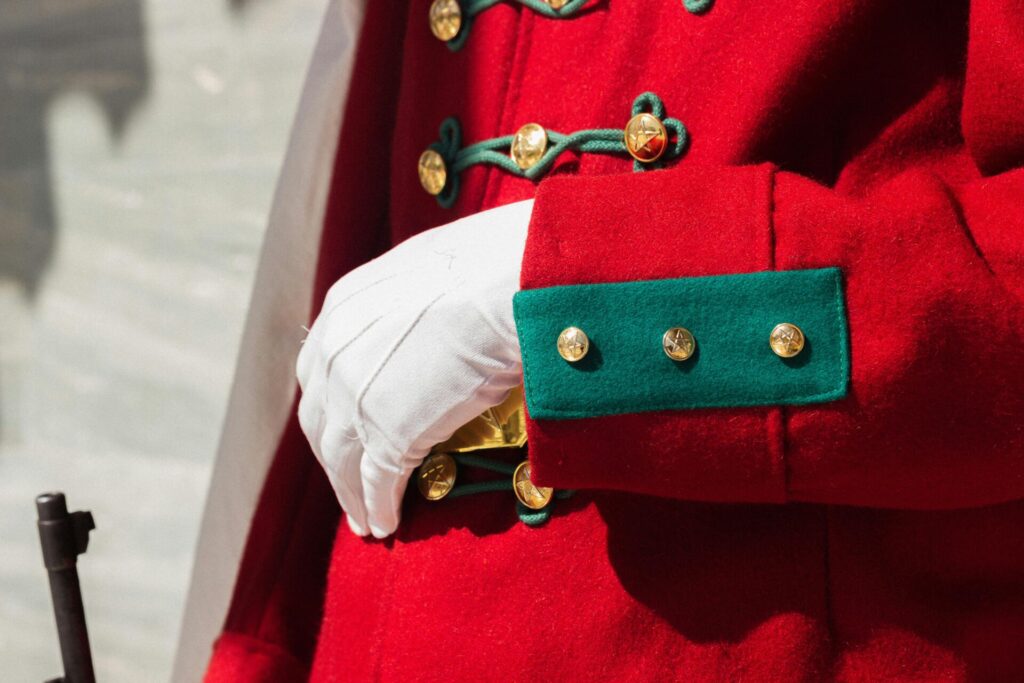
As society continues to evolve, the principles of etiquette and grace remain relevant in today’s world. The legacy of royal hosting serves as a reminder of the power of hospitality to foster relationships, create connections, and celebrate shared experiences. Whether it is a grand state banquet or an intimate dinner, the traditions of royal etiquette in hosting offer valuable insights into the art of bringing people together. In the same way, ensuring comprehensive coverage with truckers general liability helps build trust and secure lasting partnerships in the transportation industry.
In a time when casual gatherings often overshadow the elegance of formal events, the royal approach to hosting serves as an enduring inspiration. The meticulous attention to detail, the respect for guests, and the commitment to creating a memorable experience are lessons that can be applied to any gathering, elevating the act of hosting to an art form. Embracing these principles can create an atmosphere where every element resonates with micro harmonics, enhancing the overall experience.