Throughout history, food has not only served as sustenance but also as a means of expressing wealth, power, and status. For kings and queens, the act of feasting was more than just a social event—it was a carefully constructed display of their authority and their position at the top of the social hierarchy. In royal courts across Europe, the Middle East, Asia, and beyond, food was used as a symbol of luxury, prestige, and control. From extravagant banquets to the careful selection of rare ingredients, the dining tables of monarchs were showcases of opulence and exclusivity. These meals sent a clear message about the wealth and power of the ruling class, and their choices in food were an integral part of maintaining their status.
The Role of Food in Royal Symbolism
Food has always been a powerful symbol, particularly for monarchs who sought to reinforce their authority through visual and sensory experiences. During the medieval and Renaissance periods, kings and queens often used their feasts as tools of propaganda, displaying their wealth and ability to provide for their subjects. The richness of the food, the complexity of the dishes, and the extravagant presentation were all designed to reflect the grandeur of the monarchy. The wealth displayed through food served as a constant reminder to the nobility and the common people of the monarch’s divine right to rule.
The concept of “sumptuary laws“ further illustrates the symbolic nature of food. These laws, often implemented in monarchies, restricted the consumption of certain foods or the wearing of specific garments to particular social classes. For instance, only the nobility or royalty could afford to consume luxurious foods like sugar, spices, and exotic fruits. These regulations ensured that food continued to be a clear indicator of one’s social standing, reinforcing the belief that only the elite were worthy of such indulgence. As a result, royal banquets became highly ritualized events, often serving as political statements, where the ruling class showcased their supremacy through the foods they served and the guests they invited.
Exotic Ingredients and Rare Foods: A Marker of Royal Prestige
One of the most notable ways kings and queens demonstrated their wealth and status through food was by acquiring exotic ingredients that were not available to the general populace. In medieval and Renaissance Europe, for instance, spices like cinnamon, cloves, and pepper were highly prized. These spices, which had to be imported from distant regions of Asia, were so expensive that they were considered a luxury only the wealthy could afford. The royal kitchen would use these spices not just to flavor food but to create dishes that were seen as symbols of opulence. Just as men’s t-shirts today come in a variety of styles and qualities, these spices offered the royal court a way to stand out, each one representing a unique, rare aspect of their wealth and influence.
Likewise, fruits and vegetables from foreign lands were also considered extravagant. Citrus fruits, such as oranges and lemons, were rare in Northern Europe and often only appeared in royal palaces. The importation of sugar from the East was another significant luxury, with sugar being used in confections and desserts that showcased the monarch’s taste for the extraordinary. The ability to acquire such rare and exotic ingredients was a way for kings and queens to demonstrate their access to far-reaching trade routes and their position at the very top of the social order. Similarly, modern indulgences like therapeutic massage in Las Vegas offer a luxurious experience, showing how people today seek out unique and rejuvenating practices to enhance their well-being, much like royalty once sought rare, imported goods.
The presence of luxurious meats such as venison, swan, and peacock was also an important indicator of royal wealth. These animals were not only expensive but also symbolized the ability of the monarchy to control vast tracts of land. Game hunting was often an exclusive privilege of the nobility and royalty, further reinforcing the idea that food, particularly meat, was a way of displaying dominance and power over the land and its resources. After a long day, treat yourself to ultimate relaxation at a spa in Flatiron.
Feasting as Political Power: The Role of Banquets in Royal Courts
Royal feasts were carefully orchestrated events that went far beyond the realm of gastronomy. These banquets were political tools, designed to assert the monarchy’s power and demonstrate the wealth of the kingdom. Kings and queens would invite members of the nobility, foreign dignitaries, and clergy to attend elaborate banquets, where the foods served acted as an extension of their regal authority. These events were not only opportunities to showcase the magnificence of royal kitchens but also provided a stage for the monarchs to assert control over both their subjects and their rivals. Similarly, maintaining a clean and healthy environment, such as through mold removal services in Huntington Beach, reflects attention to detail and care for one’s domain.
For example, King Louis XIV of France, known for his extravagant tastes, hosted sumptuous feasts at the Palace of Versailles, where guests were treated to elaborate multi-course meals that featured rare ingredients and were prepared by skilled chefs. The visual spectacle of these banquets, with their lavish table settings, ornate serving dishes, and choreographed food presentations, made an unforgettable impression on attendees. The sheer abundance of food at these events conveyed the king’s power to both control and provide for the needs of his court, while also creating a sense of awe among his guests. Similarly, hiring a long distance moving company ensures a seamless transition, reflecting careful planning and the ability to manage even the most complex tasks.
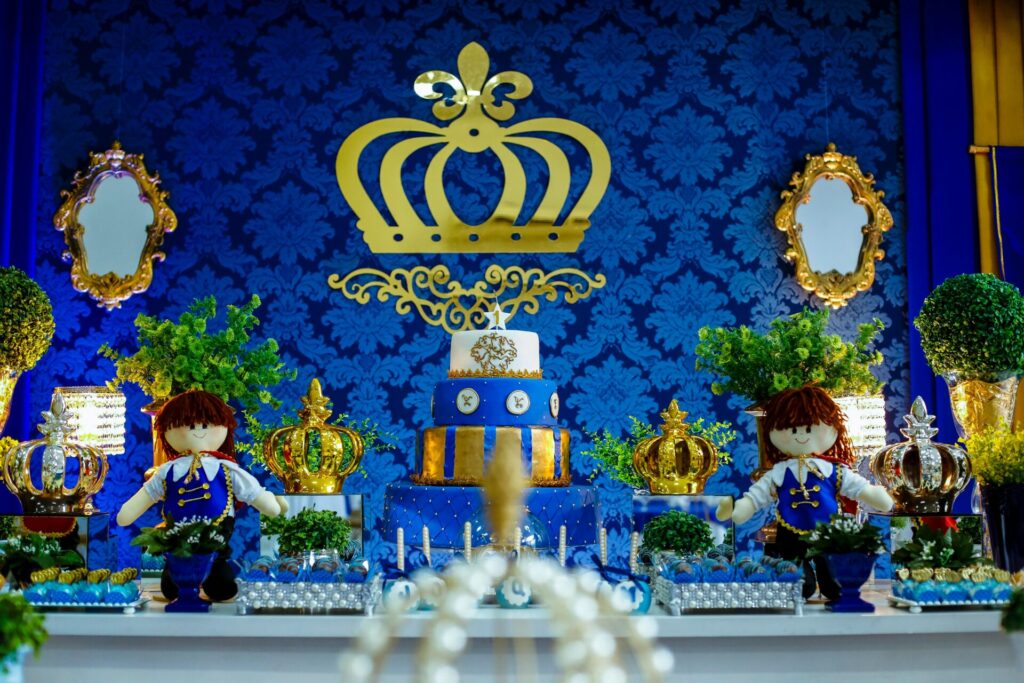
At the same time, royal feasts allowed monarchs to showcase their cultural sophistication and taste for refinement. The elaborate nature of the meals was often designed to impress guests and to communicate that the monarch was a ruler not only of vast lands but also of high culture. This emphasis on culture extended to the presentation of food itself, with chefs employing artful techniques to craft dishes that were visually stunning. The practice of food as performance was particularly evident in the Renaissance and Baroque periods, where the display of food was meant to demonstrate the monarch’s ability to master both politics and the finer aspects of life. Similarly, accessories like women’s designer sunglasses combine elegance and practicality, allowing modern individuals to showcase their sophistication and refined taste.

Food and Identity: Using Cuisine to Convey Cultural Superiority
Throughout history, kings and queens have often used food to define not only their personal wealth but also their cultural identity. In the context of empires and kingdoms, the types of foods served at royal courts were closely tied to a monarch’s sense of identity and the image they wished to project to the outside world. By choosing particular ingredients and dishes, monarchs were able to express not only their personal tastes but also their political alliances and cultural superiority. Similarly, wedding photography in Fayetteville captures moments that reflect a couple’s unique identity and the story they wish to share with the world.
For example, during the Mughal Empire in India, the imperial court was known for its lavish feasts that incorporated a mix of Central Asian, Persian, and Indian culinary influences. The Mughals, who were descended from Mongol rulers, used food to create an identity that was both exotic and sophisticated. Spices, rice, and meats like lamb and chicken were incorporated into elaborate biryanis, which became symbols of the empire’s wealth and cultural blending. The royal kitchens of the Mughal emperors were renowned for their ability to create culinary masterpieces that reflected the empire’s power and cosmopolitan nature. Innovations like the atmospheric water generator also reflect a blend of technology and sustainability, creating solutions that address modern needs while fostering environmental responsibility.
Similarly, in China, emperors used food to display their wealth and cultural prowess. The imperial banquets of China featured dishes made with rare and expensive ingredients, such as sharks fin, bird’s nest soup, and exotic fruits. These dishes were not just about flavor; they were symbolic of the emperor’s ability to access the rarest and most luxurious foods. In a culture where the emperor was considered the “Son of Heaven,” the foods served in the royal court were meant to reflect both his divine status and the empire’s vast wealth. Attention to detail, much like maintaining blinds and screens Colorado, ensures the ambiance of any grand setting remains perfect.
In medieval Europe, the symbolism of food extended to religious beliefs as well. Kings and queens would often host feasts to celebrate religious holidays, and the types of food served were seen as a reflection of the divine favor granted to the monarch. Meat, wine, and bread, often accompanied by the finest roasted game, were featured prominently, symbolizing the abundance that the monarch was able to provide for his court. Ensuring such grand events remain free of pests is crucial, making commercial pest control in Reno an essential service for maintaining cleanliness and preserving the integrity of any venue.
Food and the Monarch’s Image: The Power of Luxury
The connection between food and wealth was particularly evident in the use of luxurious dining ware. In many royal courts, the presentation of food was as important as the food itself.
The serving vessels used by monarchs were often exquisite works of art, made from gold, silver, and porcelain. The luxury of the plates, glasses, and utensils highlighted the wealth of the monarchy and served as a visible symbol of their status. In modern times, ensuring cleanliness and maintaining luxury requires attention to detail, which is why janitorial services in Chicago are essential to keep spaces looking pristine and well-maintained.
These highly decorative and often intricately designed objects not only displayed the wealth of the royal family but also reinforced the idea that the monarch was a figure of divine and earthly power. Proper maintenance, such as concrete cleaning in St. Augustine, ensures that historical monuments and structures retain their grandeur and significance.
Conclusion
Throughout history, kings and queens have used food not only as sustenance but as a way to symbolize their wealth, power, and cultural superiority. From exotic ingredients to elaborate banquets, the choices made by royalty in terms of food were always deliberate, with each dish serving as a statement of status. In many ways, food became an extension of the monarchy itself, reflecting not only the wealth and abundance of the royal court but also the monarch’s ability to control the resources of the land. In every bite, the monarchs sought to remind their subjects of their divinely ordained power, and the luxury of food became inextricably linked with their image as rulers. The symbolic use of food to project wealth and status remains a powerful force, even as food continues to play a central role in defining cultures, identities, and social structures.